



Steel Recovered at Alang Continues to Drive India’s Circular Economy and Infrastructure Growth
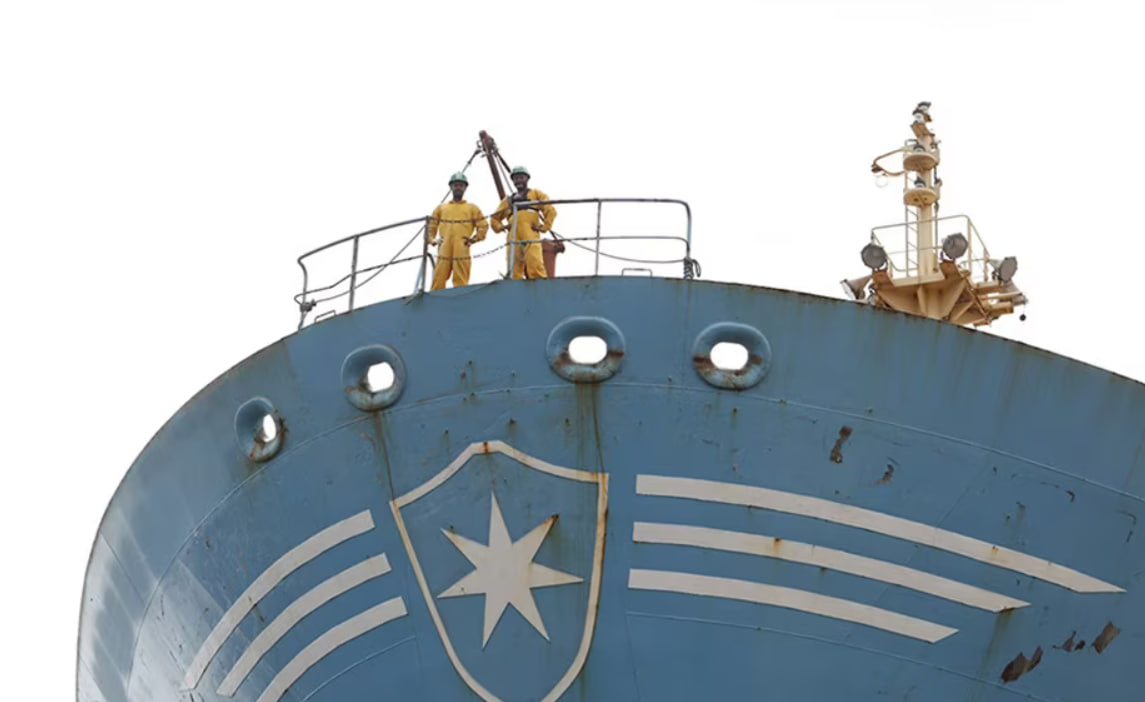
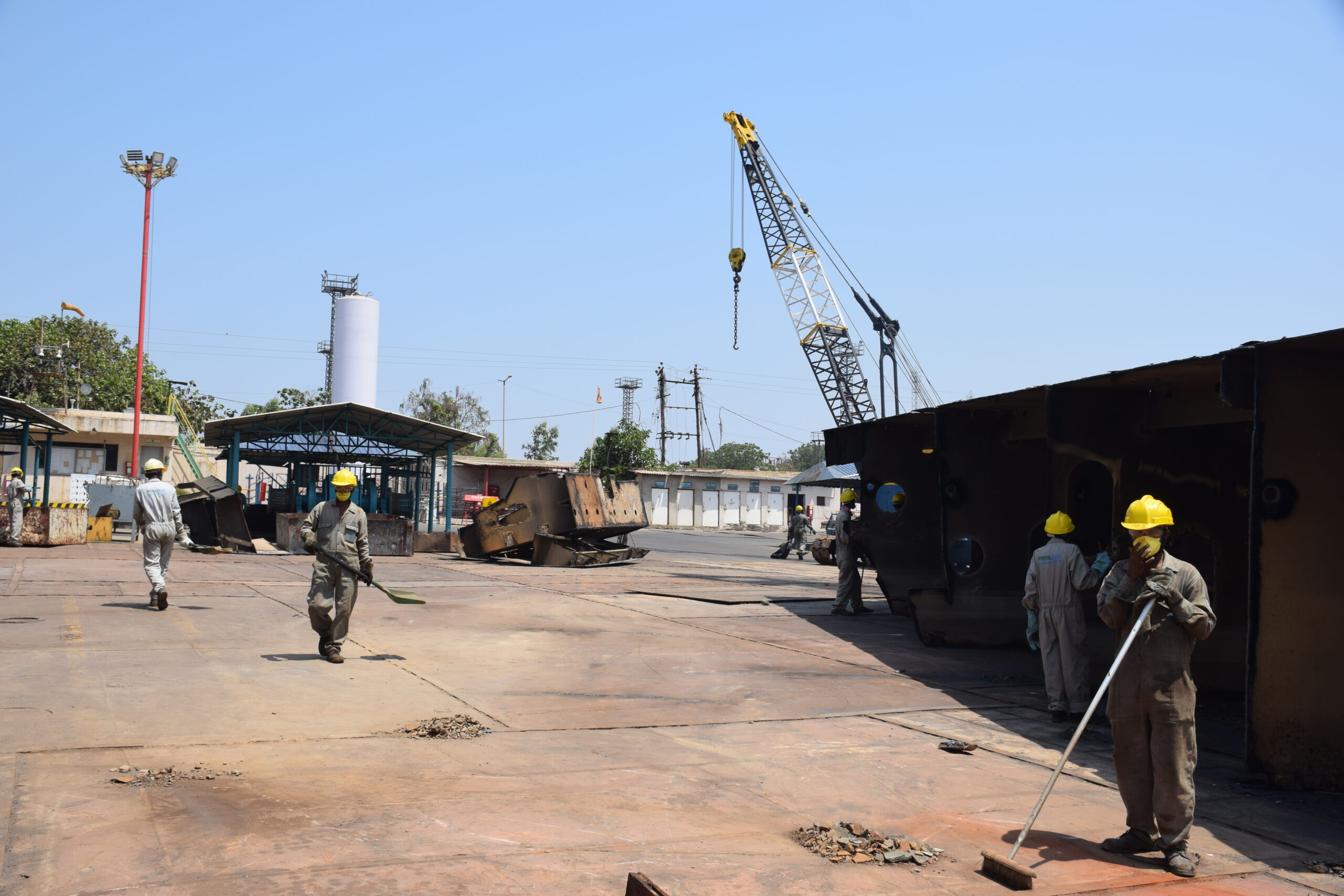
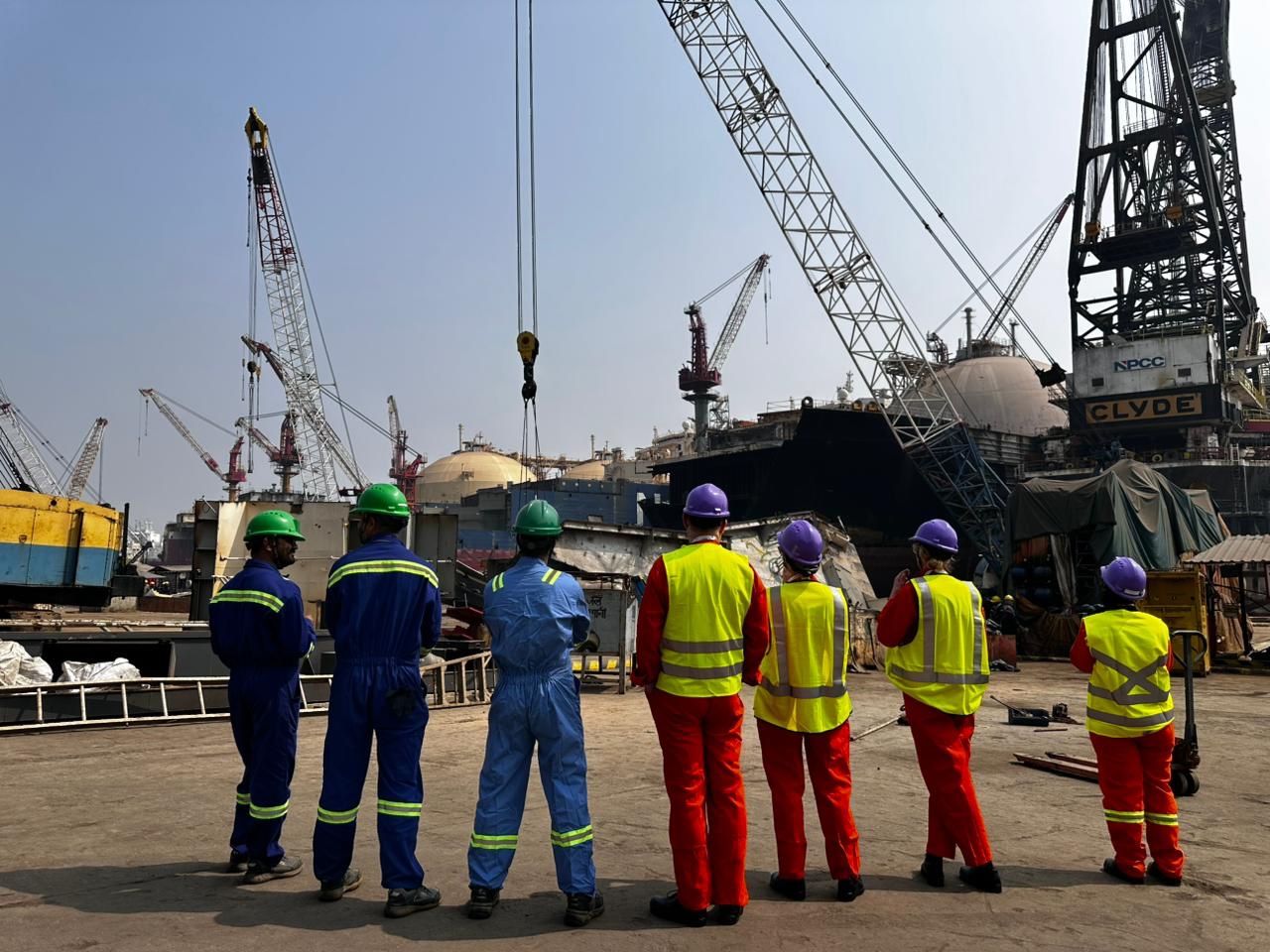
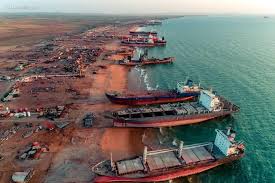
Bhavnagar, Gujarat: Long after a ship completes its final voyage, its steel continues to serve society in new and meaningful ways. At the Alang-Sosiya Ship Recycling Yard in Gujarat, the world’s largest ship recycling destination, responsibly recovered steel is finding a second life in infrastructure projects, industrial manufacturing and construction, highlighting the growing importance of the circular economy in the global maritime sector.

According to industry estimates shared by global cash buyer GMS, the steel recovered from ships dismantled at Alang over the years is sufficient to produce approximately 576,000 kilometres of railway tracks—enough to circle the Earth more than 14 times. The statistic underscores the enormous contribution that ship recycling makes toward conserving natural resources while supporting sustainable economic development.
Every vessel arriving at Alang contains thousands of tonnes of high-quality steel. Rather than allowing these valuable materials to become waste, ship recycling facilities carefully dismantle ships and recover reusable steel, machinery, equipment and non-ferrous metals. The recovered steel is then supplied to rerolling mills and manufacturers, where it is transformed into products used across India’s infrastructure and construction sectors.
Industry experts say this process significantly reduces dependence on mining fresh iron ore and producing virgin steel, both of which require substantial energy and generate considerable carbon emissions. By extending the life cycle of existing steel, ship recycling contributes directly to resource efficiency and climate goals.
Steel remains one of the world’s most recyclable materials. Unlike many other industrial products, it can be recycled repeatedly without losing its essential mechanical properties. Responsible ship recycling therefore represents one of the most effective examples of industrial circularity, where materials remain in productive use instead of entering the waste stream.
The concept of a circular economy has gained increasing attention worldwide as governments and industries seek ways to reduce resource consumption, minimize waste and lower greenhouse gas emissions. Ship recycling fits naturally into this model by recovering valuable materials from end-of-life vessels and returning them to the manufacturing supply chain.
Alang has played a central role in this process for more than four decades. Since its establishment in 1983, the yard has recycled thousands of ships ranging from oil tankers and container vessels to offshore platforms and passenger ships. Over the years, millions of tonnes of steel have been recovered, supplying India’s growing demand for construction materials while reducing imports of raw materials.
Beyond steel, ship recycling also enables the recovery of numerous reusable components, including generators, engines, pumps, anchors, furniture, electrical equipment and navigation systems. Many of these items are refurbished and reused across various industries, creating additional economic value while minimizing waste.
In recent years, Alang has undergone significant transformation to improve environmental performance and worker safety. Several recycling yards have upgraded their infrastructure to comply with the Hong Kong International Convention for the Safe and Environmentally Sound Recycling of Ships (HKC), which entered into force globally in June 2025. Many Indian recycling facilities have invested in impermeable flooring, hazardous waste management systems, improved worker training, emergency response capabilities and enhanced environmental monitoring.
These improvements have strengthened India’s position as a global leader in responsible ship recycling. International shipowners are increasingly selecting compliant recycling yards that meet higher environmental and occupational safety standards, reflecting growing awareness of sustainable end-of-life ship management.
The environmental benefits extend beyond resource conservation. Producing steel from recycled material requires substantially less energy than manufacturing new steel from iron ore. Lower energy consumption translates into reduced carbon dioxide emissions and decreased environmental impact throughout the steel production process. As countries pursue ambitious decarbonisation targets, recycled steel has become an increasingly valuable resource.
India’s expanding infrastructure programme—including railways, highways, bridges, industrial facilities and urban development—continues to generate strong demand for steel products. Recycled steel from ship recycling helps meet part of this demand while supporting domestic manufacturing and reducing pressure on finite natural resources.
The example highlighted by GMS—that Alang’s recovered steel could produce enough railway tracks to encircle the Earth more than 14 times—illustrates the remarkable scale of material recovery achieved over decades of ship recycling. It also demonstrates how end-of-life ships continue to contribute to economic development long after they leave active service.
As global shipping embraces sustainability, responsible ship recycling is increasingly recognised not merely as the final stage in a vessel’s lifecycle but as the beginning of a new one. Through efficient material recovery, environmental stewardship and adherence to international standards, Alang continues to demonstrate how ship recycling creates lasting value, supports infrastructure development and strengthens the circular economy for generations to come.

Author: shipping inbox
shipping and maritime related web portal