



Is the EU Ship Recycling Regime Truly Performance-Based? Industry Questions Geographic Imbalance in Approved Recycling Yards
The debate over global ship recycling standards has resurfaced, with industry stakeholders questioning whether the European Union’s ship recycling regime is genuinely based on environmental performance or whether geographical considerations continue to influence the approval of recycling facilities.

The discussion comes at a time when the global ship recycling industry is entering a new regulatory era following the entry into force of the Hong Kong International Convention for the Safe and Environmentally Sound Recycling of Ships (HKC), which seeks to establish uniform international standards for the safe dismantling of ships.
At the heart of the debate is the EU Ship Recycling Regulation (EU SRR), which requires EU-flagged ships to be recycled only at facilities included on the European List of approved ship recycling yards. While the regulation was introduced to ensure environmentally sound recycling and proper management of hazardous materials, critics argue that the list remains heavily concentrated in Europe and the United States despite significant investments made by modern recycling facilities in Asia and the Middle East.
A Question of Equal Treatment
Industry experts argue that if the principal objective of the EU regulation is to guarantee high standards of environmental protection, worker safety and hazardous waste management, then approval should depend entirely on a facility’s ability to meet those standards.
The question being increasingly asked is straightforward: Why are approved ship recycling facilities overwhelmingly located in Europe and the United States when several yards elsewhere have invested in infrastructure that rivals international best practices?
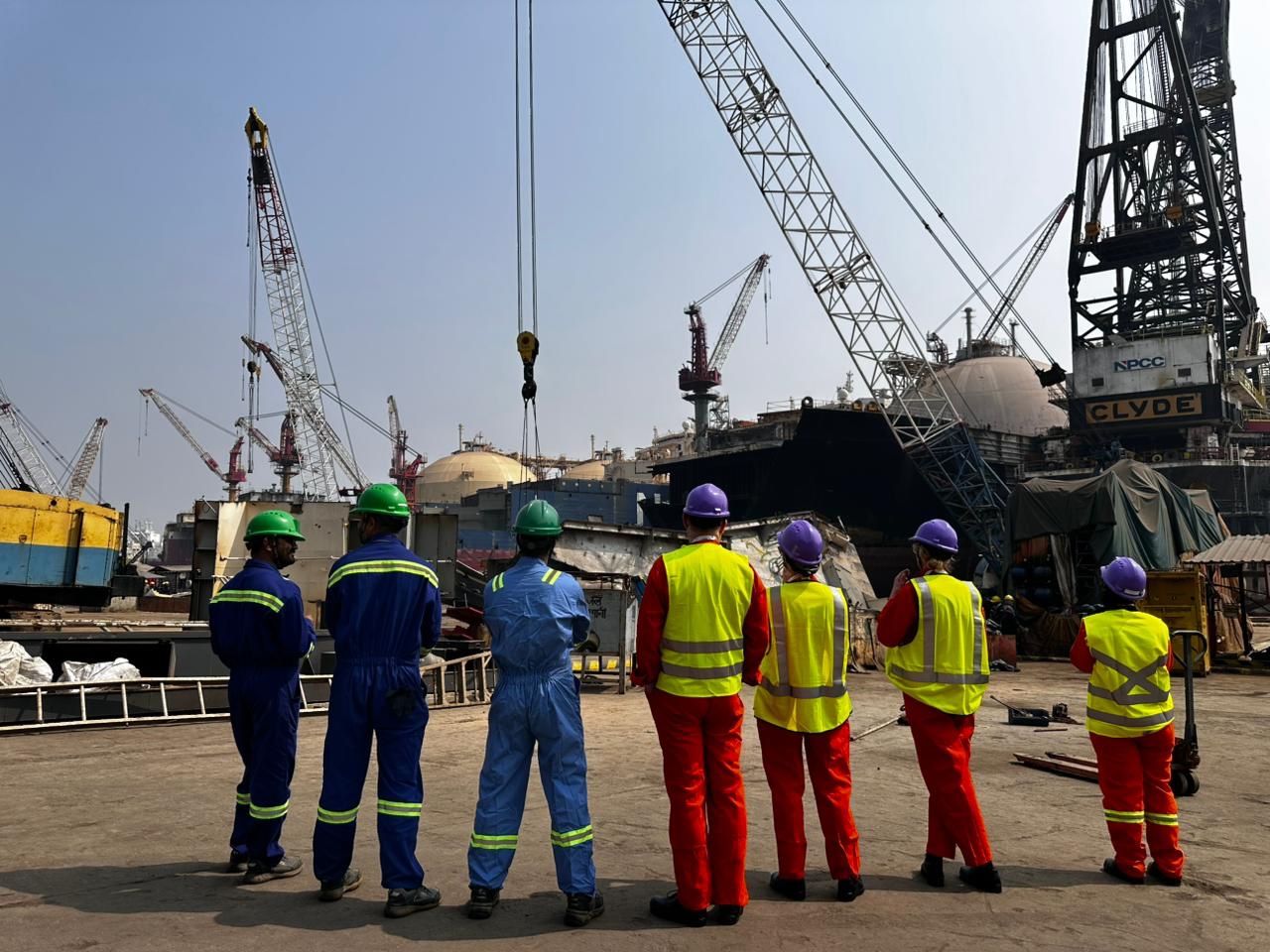
Modern recycling yards in countries including India, the United Arab Emirates and parts of the Middle East have upgraded their operations over the past decade by constructing impermeable working floors, installing advanced drainage systems, developing hazardous waste treatment facilities, introducing heavy-lift equipment and expanding the use of dry docks for ship dismantling.
Supporters of these facilities believe that such investments demonstrate a commitment to international environmental and occupational safety standards and deserve equal recognition under global regulatory frameworks.
Performance Versus Geography
The debate centres on whether the EU approval process is sufficiently focused on measurable compliance or whether geographical location continues to play an indirect role.
Environmental advocates maintain that strict oversight is essential because ship recycling involves handling hazardous substances such as asbestos, heavy metals, oil residues and other toxic materials that require careful disposal.
At the same time, many in the maritime industry contend that performance should be the decisive criterion.
“If a recycling facility can demonstrate compliance with stringent environmental, health and safety requirements through independent verification, its location should not determine eligibility,” industry observers argue.
Such an approach, they say, would encourage further investment in sustainable recycling infrastructure around the world while creating a level playing field for responsible operators.
Significant Investments in Modern Facilities
Over the past several years, numerous ship recycling yards outside Europe have undertaken extensive modernization programmes.
Several facilities have invested in:
- Modern dry dock recycling systems.
- Impermeable concrete working surfaces.
- Hazardous waste collection, storage and treatment facilities.
- Advanced wastewater management systems.
- Improved occupational health and worker safety measures.
- Environmental monitoring and emergency response capabilities.
These upgrades have required substantial financial commitments aimed at meeting evolving international expectations.
Industry representatives say recognition based on objective audits would encourage additional facilities to continue investing in cleaner and safer recycling technologies.
Impact on Global Ship Recycling
Ship recycling remains a vital part of the maritime industry’s circular economy.
Recycling obsolete vessels recovers millions of tonnes of steel and other reusable materials each year, reducing demand for virgin raw materials while employing multiple sectors.
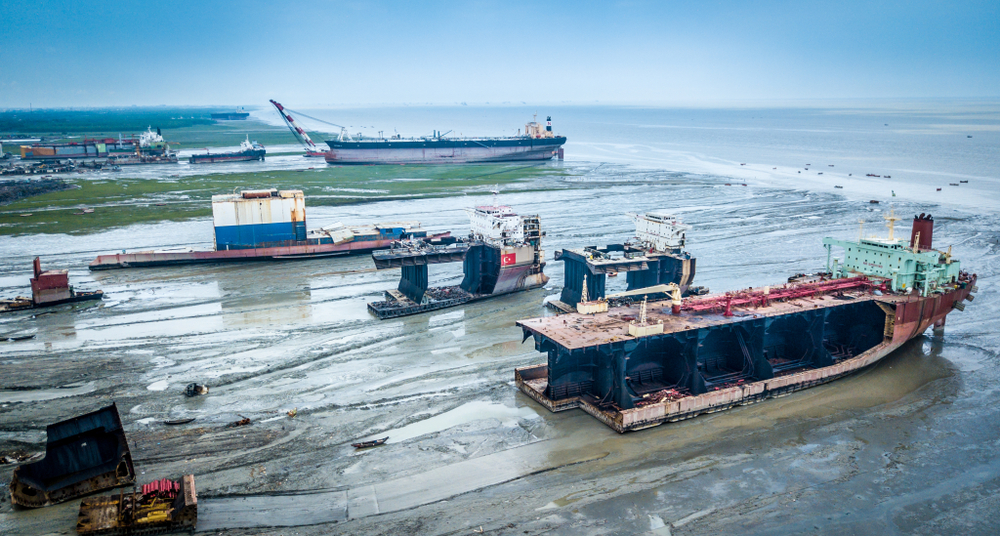
South Asian recycling nations, particularly India, Bangladesh and Pakistan, account for a significant share of global ship recycling capacity due to their established industries and steel demand.
India, in particular, has made notable progress in modernizing its ship recycling sector. Many yards at Alang have upgraded infrastructure to comply with international standards, with numerous facilities obtaining certification under the Hong Kong Convention.
Industry leaders argue that recognition of compliant facilities regardless of location would strengthen global recycling capacity while promoting higher standards across all regions.
Balancing Safety and Competition
Environmental organizations caution that maintaining strict approval procedures remains essential to prevent unsafe recycling practices and improper disposal of hazardous materials.
However, shipping executives note that regulations should also avoid creating unnecessary barriers if facilities outside Europe can objectively demonstrate equivalent environmental performance.
They believe a transparent, science-based assessment process focused on measurable compliance rather than regional concentration would improve confidence in the global regulatory system.
Such an approach could also encourage greater harmonization between the EU Ship Recycling Regulation and the Hong Kong Convention, reducing regulatory fragmentation for shipowners operating internationally.
Industry Discussion Continues
The question of whether the EU ship recycling regime is truly performance-based has become an important topic within maritime circles.
Supporters of reform are not calling for lower standards. Instead, they argue that the same rigorous environmental, safety and waste management criteria should apply equally to every recycling yard, irrespective of where it is located.
As the international ship recycling industry continues to evolve under the Hong Kong Convention, the discussion is likely to intensify over whether regulatory approval systems should focus exclusively on demonstrable performance and compliance.
For many in the maritime sector, the issue is not whether high environmental standards should be maintained—they agree they must—but whether facilities that have invested heavily to achieve those standards should receive equal opportunities based solely on their performance rather than their geography.

Author: shipping inbox
shipping and maritime related web portal