



Indian Ship Recycling Market Weakens as Monsoon- Geopolitical Risks Weigh on Sentiment : BEST OASIS

World’s leading cash buyer for ships sending for recycling BEST OASIS in their weekly ship recycling market report opined that, the ship recycling market across the Indian subcontinent continued to display mixed trends this week, with India facing mounting pressure from declining prices and sluggish activity, while Pakistan and Bangladesh maintained stronger sentiment supported by active buyer interest and firm demand.
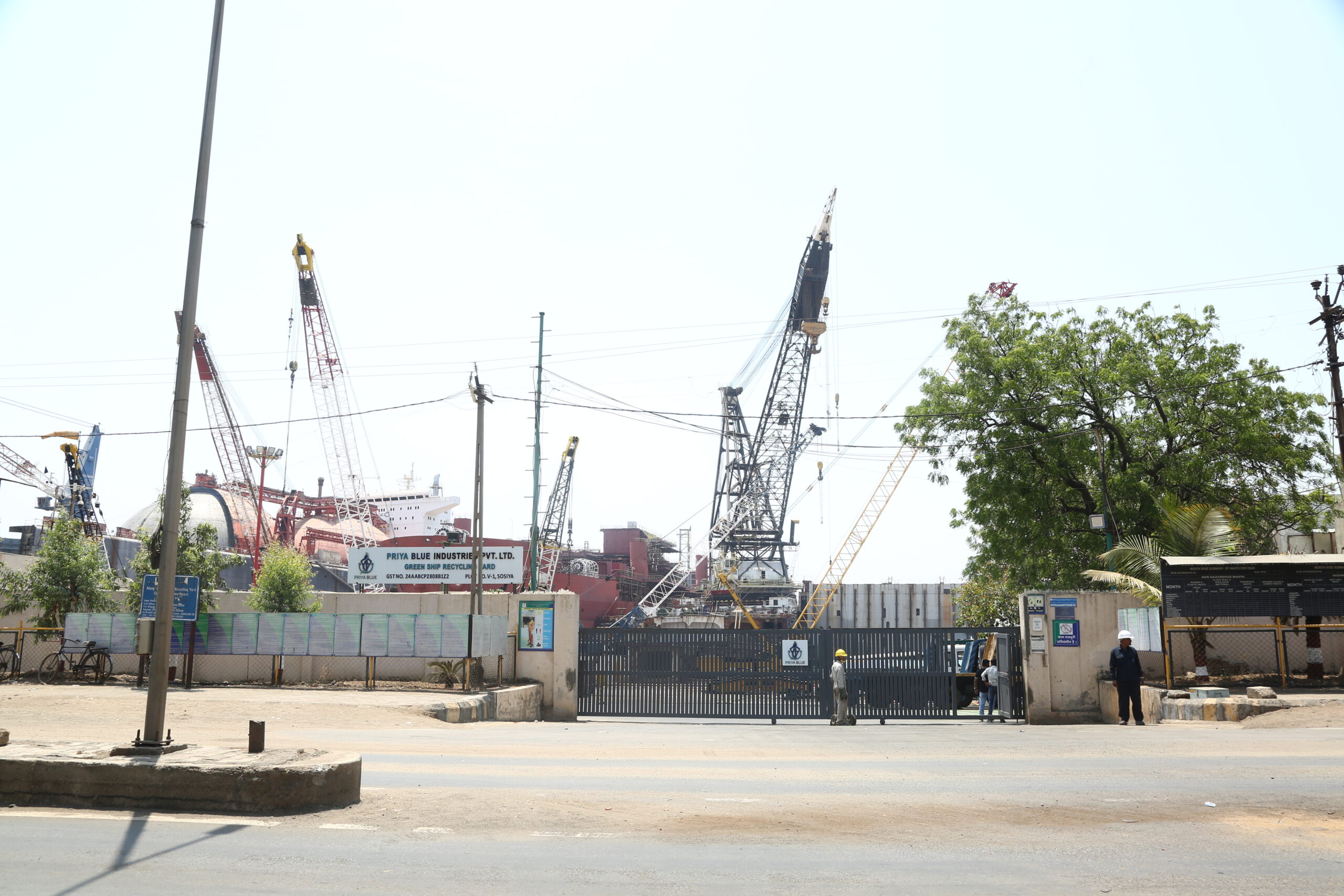
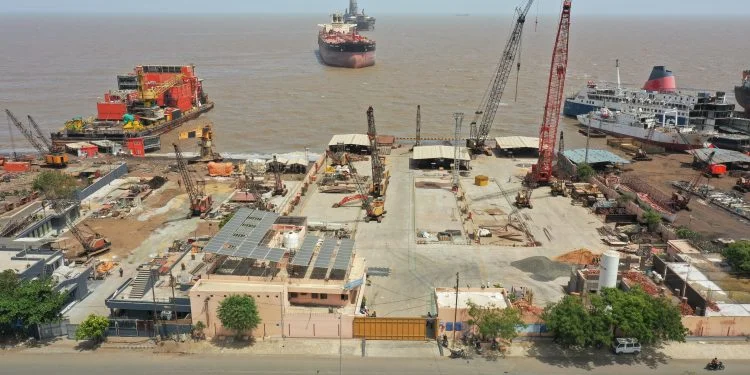
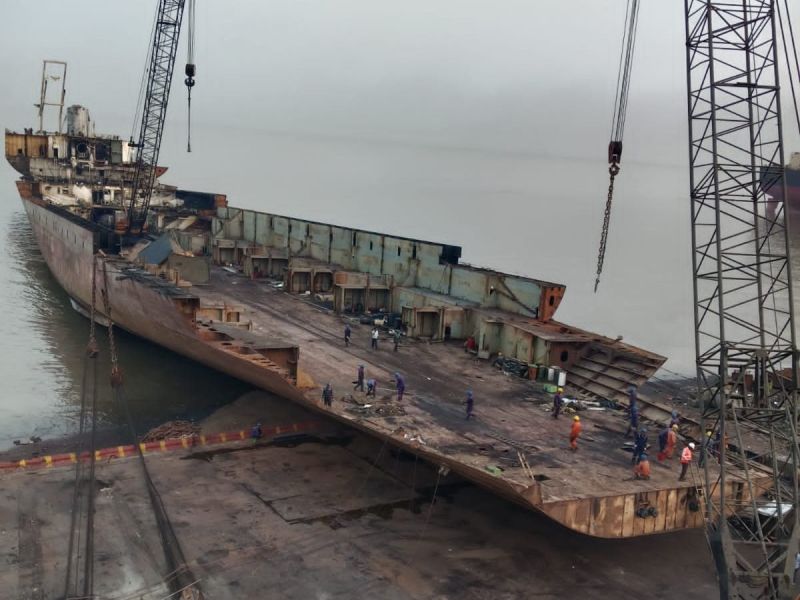
According to the latest market assessment from leading cash buyer Best Oasis, the Indian ship recycling sector remains subdued, with a noticeable lack of vessel sales and falling prices across all major vessel categories. Market participants reported weak sentiment as recyclers continue to grapple with reduced buying appetite and increasing operational challenges.
Industry observers noted that the onset of the annual monsoon season is expected to further dampen activity in the coming weeks. Traditionally, monsoon rains slow down recycling operations at Indian yards, impacting productivity and reducing the volume of vessels that can be processed. This seasonal factor is likely to place additional pressure on an already fragile market.
Adding to the uncertainty are escalating geopolitical tensions along major global trade routes. Such developments could affect vessel deployment patterns, availability of ships for recycling, and overall transaction volumes entering the Indian subcontinent. Market participants are closely monitoring the evolving situation, particularly as disruptions in shipping movements can significantly influence recycling supply.
India’s declining competitiveness in terms of offered prices is also emerging as a concern. With recyclers in neighbouring Pakistan offering more attractive levels for shipowners, analysts warn that India could face short-term market share losses if current conditions persist. The competitive gap may encourage vessel owners to direct more recycling candidates toward alternative destinations offering higher returns.
In Bangladesh, market attention was largely focused on the government’s National Budget Speech for the fiscal year 2026-27. Industry stakeholders spent the week assessing the implications of new fiscal measures on ship recycling operations.
Preliminary reports suggest that customs duties have been increased by approximately BDT 300, equivalent to around USD 2.40. While the full impact of the measure is still being evaluated, recyclers are studying how the changes could affect procurement costs and overall market competitiveness.
Despite budget-related uncertainties, sentiment in Chittagong remains broadly positive. Local ship recyclers continue to actively seek new vessels and are reportedly offering competitive prices to attract tonnage. The healthy demand indicates confidence in the sector’s medium-term prospects, even as policy changes are absorbed by the industry.
Pakistan, meanwhile, continues to stand out as the strongest-performing market in the region. Market sentiment remains firm, supported by robust demand across all vessel categories and aggressive buying interest from local recyclers.
Industry sources indicate that virtually all active breakers in Pakistan are seeking vessels, reflecting strong appetite throughout the market. Competitive pricing has further strengthened Pakistan’s position, allowing it to attract attention from shipowners evaluating recycling destinations.
The country’s domestic steel plate and scrap markets, however, continue to face supply constraints. These shortages have been linked to disruptions associated with the ongoing conflict involving Iran, which has affected regional supply chains and availability of scrap materials. Nevertheless, the limited supply has helped support local steel prices, indirectly benefiting recycling demand.
Outside the subcontinent, Türkiye’s ship recycling market remains stable but relatively subdued. Market sentiment is described as steady to slightly soft, with limited activity and little change in pricing levels over recent weeks.
Turkish buyers continue to show interest primarily in larger vessels, while smaller ships attract comparatively limited attention. European recycling yards operating near full capacity have helped support regional price stability, preventing significant downward movement in local markets.
However, Türkiye continues to face a pricing disadvantage when compared with South Asian recycling destinations. Unless vessel owners are required to meet specific environmental or regulatory standards, many continue to favour recycling facilities in the Indian subcontinent where returns remain more attractive.
Market fundamentals also reflected softer trends in the broader commodities sector. Brent crude oil prices declined by USD 7.78 week-on-week to USD 87.12 per barrel, while West Texas Intermediate (WTI) crude fell by USD 8.59 to USD 84.31 per barrel.
Scrap steel prices also recorded declines across major recycling destinations. HMS 1&2 (80:20) prices in India fell to USD 390 per tonne, while Bangladesh, Pakistan and Türkiye were each assessed at approximately USD 395 per tonne.
Ship recycling prices remained unchanged week-on-week. Pakistan continued to offer the highest levels, with container vessels fetching around USD 480 per light displacement tonne (LDT), tankers USD 470 per LDT and bulk carriers USD 460 per LDT. Bangladesh followed with prices ranging between USD 425 and USD 460 per LDT, while India’s levels stood between USD 400 and USD 430 per LDT. Türkiye remained the lowest-priced market, offering between USD 270 and USD 290 per LDT.
Notably, no vessel sales were reported during the week, highlighting the cautious mood prevailing across the global ship recycling industry despite pockets of regional strength.

Author: shipping inbox
shipping and maritime related web portal