



NDRF 6th Battalion Reviews Safety Measures at Alang, Trains Workers in Emergency Response
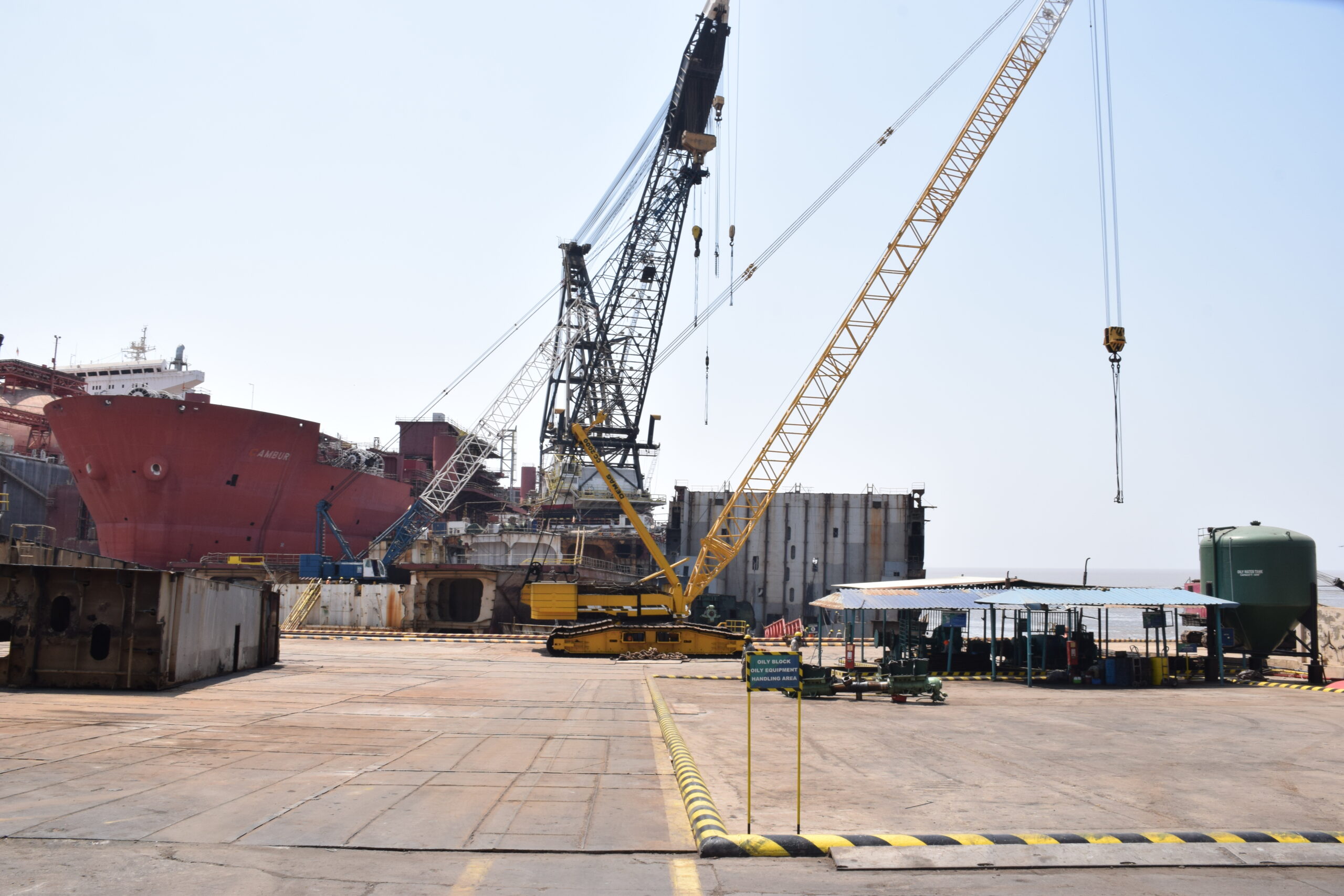
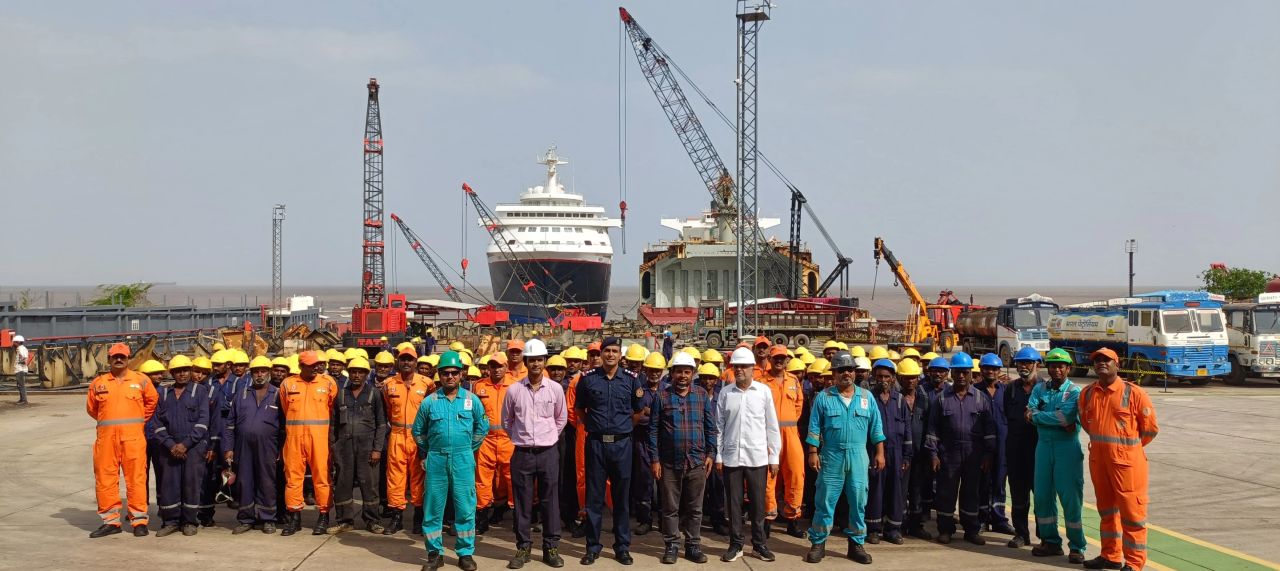
Bhavnagar, July 12: The 6th Battalion of the National Disaster Response Force (NDRF) conducted a visit to the Alang-Sosiya Ship Recycling Yard in Gujarat to review ongoing ship recycling operations and assess the safety measures being implemented across the world’s largest ship recycling cluster.

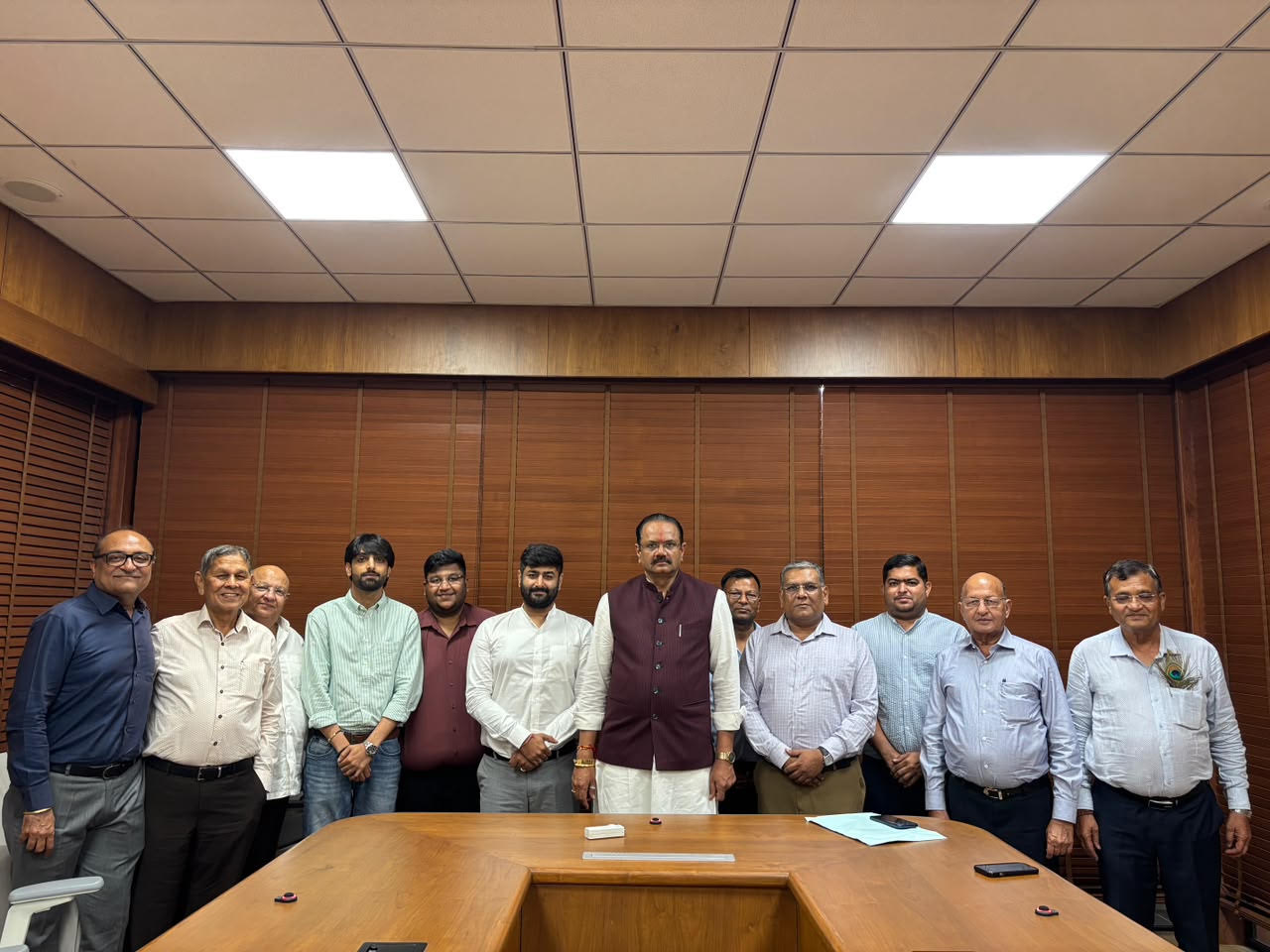
During the visit, the NDRF team inspected various operational areas and interacted with officials of the Gujarat Maritime Board (GMB), which manages the Alang-Sosiya Ship Recycling Yard. The delegation reviewed workplace safety practices, emergency preparedness protocols, and the measures adopted to protect workers engaged in ship recycling activities.
The NDRF team appreciated the Gujarat Maritime Board’s continued efforts to strengthen safety compliance and improve occupational health and safety standards at the yard. Officials noted that sustained investments in safety infrastructure, regular inspections, and worker awareness programmes have contributed to creating a safer working environment for the thousands of personnel employed in the industry.
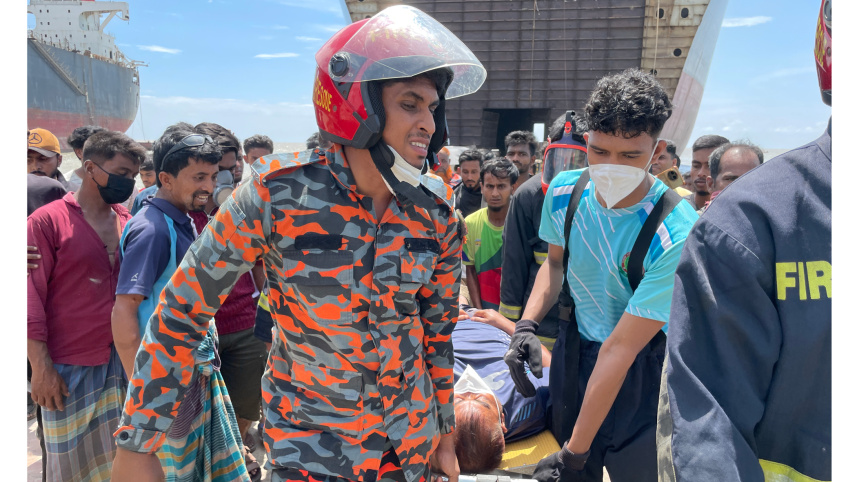
As part of the visit, the NDRF conducted practical training sessions on First Aid and Man Overboard (MOB) response for ship recycling workers. The programme aimed to enhance the workforce’s ability to respond effectively during emergencies and minimise risks associated with ship dismantling operations.
The First Aid training covered immediate medical response techniques, including handling injuries, stabilising accident victims, and providing life-saving assistance before professional medical support arrives. The sessions focused on equipping workers with practical knowledge that could prove critical during workplace incidents.
The Man Overboard (MOB) training familiarised participants with emergency rescue procedures in the event of a person falling into the water while working alongside vessels. NDRF personnel demonstrated rescue methods, emergency communication procedures, and coordination techniques required for a swift and effective response.
The hands-on training sessions witnessed active participation from workers, reinforcing the importance of preparedness, teamwork, and rapid decision-making during emergency situations.
Ship recycling is a highly specialised industrial activity involving heavy steel structures, gas cutting, lifting equipment, confined spaces, and hazardous materials. Industry experts believe that regular emergency response training and safety drills are essential to reducing occupational risks and ensuring the well-being of workers.
Over the past several years, the Gujarat Maritime Board has undertaken significant initiatives to modernise safety systems at Alang. These include improved firefighting infrastructure, enhanced emergency response mechanisms, mandatory use of personal protective equipment (PPE), worker skill development programmes, and regular safety audits.
The yard has also witnessed substantial improvements in infrastructure and operational practices as India’s ship recycling industry aligns itself with internationally accepted standards for safe and environmentally sound recycling. Continuous training and collaboration with specialised agencies such as the NDRF have become an important part of strengthening safety culture across recycling plots.
Industry stakeholders welcomed the NDRF’s engagement, describing it as a valuable initiative that complements existing safety programmes at Alang. Such interactions not only improve workers’ confidence in handling emergencies but also reinforce best practices in accident prevention and disaster preparedness.
The visit underscores the shared commitment of the Gujarat Maritime Board, emergency response agencies, and the ship recycling industry to maintaining high standards of occupational safety while supporting sustainable ship recycling operations.
With safety and environmental compliance becoming increasingly important for the global maritime industry, initiatives such as the NDRF’s training programme contribute to enhancing the resilience, preparedness, and international credibility of India’s ship recycling sector.

Author: shipping inbox
shipping and maritime related web portal