



Anchor Replacement on Coal Carrier at Bhavnagar Port Raises Regulatory Questions
BHAVNAGAR: Questions have been raised over the replacement of an anchor on the bulk carrier MV Unity Mermaid at the Bhavnagar port and the subsequent shifting of the vessel to different anchorages in the Gulf of Khambhat. The incident has sparked concern over whether the replacement was carried out in accordance with applicable maritime safety procedures and whether all relevant statutory and insurance authorities were consulted.

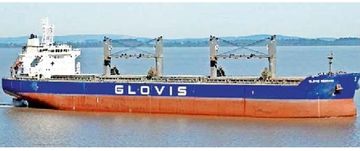
The MV Unity Mermaid, carrying 54,740 metric tonnes of coal, arrived at Bhavnagar port on August 4. According to information available, one of the vessel’s anchors broke on August 14 amid strong sea currents in the Gulf of Khambhat. As a precautionary measure, the vessel was shifted to the Jafrabad anchorage while still carrying around 20,000 tonnes of coal.
The vessel was subsequently moved on August 18 to a location off Alang, behind Pirambat, where the damaged anchor was reportedly replaced. The decision to undertake anchor replacement while the vessel was carrying a substantial quantity of combustible coal has now become a subject of discussion among maritime stakeholders.
The central issue concerns the specifications and approval status of the replacement anchor. Questions have been raised over whether an anchor meeting the required classification and regulatory standards, including an IRS-approved anchor where applicable, was installed on the vessel.
Industry sources have also questioned whether the replacement operation was undertaken after consultation with all the relevant authorities and stakeholders. These reportedly include the Directorate General of Shipping (DG Shipping), Indian Register of Shipping (IRS), the Mercantile Marine Department (MMD) and the vessel’s Protection and Indemnity (P&I) insurance representatives.
Maritime safety procedures generally require significant repairs or replacements involving critical equipment to be handled in accordance with statutory, classification and safety requirements. Anchors and associated equipment are vital components of a vessel’s emergency and mooring systems, particularly in areas such as the Gulf of Khambhat, where strong tidal currents and changing weather conditions can pose operational challenges.
The circumstances surrounding the Unity Mermaid have therefore prompted calls for greater clarity on the sequence of events, the technical assessment conducted before the replacement, the source and certification of the replacement anchor, and the approvals obtained before the work was undertaken.
Another point attracting attention is the vessel’s movement after the anchor replacement. Instead of returning to Bhavnagar port for discharge of its cargo, the vessel was reportedly shifted back to the Jafrabad anchorage. This has added to questions about the operational status of the vessel and whether it was considered fully ready to resume normal port operations following the anchor replacement.
The presence of coal cargo has further heightened concerns because coal, depending on its characteristics and storage conditions, requires careful monitoring during transportation and handling. Any repair or hot-work-related activity around a cargo vessel carrying combustible material is generally expected to be undertaken under appropriate safety controls and risk assessments.
The incident has also brought renewed attention to coordination among port authorities, statutory maritime regulators, classification societies, shipowners, technical managers and insurers when emergency repairs are required. In a situation involving a damaged anchor and a heavily laden cargo vessel operating in challenging tidal conditions, clear communication between all concerned agencies is considered particularly important.
Stakeholders are now seeking greater transparency over whether the replacement anchor had the necessary documentation and certification and whether the prescribed inspection and approval procedures were followed before the vessel was allowed to continue its voyage and anchorage operations.
The matter has not only raised questions about the Unity Mermaid but has also highlighted broader concerns regarding emergency repairs to commercial vessels operating in the Gulf of Khambhat. The incident could prompt maritime authorities to examine the circumstances surrounding the anchor failure, the replacement operation, the vessel’s movements and the safety protocols followed during the entire process.
As the vessel remains connected to the Bhavnagar–Jafrabad maritime operations, attention is now focused on whether the competent authorities will conduct a formal review of the incident and clarify whether all regulatory, classification and insurance requirements were complied with.
For the maritime industry, the episode serves as a reminder that emergency repairs involving critical ship equipment require strict adherence to safety standards, proper certification and coordination among all concerned agencies—particularly when a vessel is carrying a large quantity of potentially combustible cargo in a challenging marine environment.

Author: shipping inbox
shipping and maritime related web portal