



Maritime Skills Seen as Crucial to Unlock Bangladesh’s Blue Economy Potential
Dhaka: As Bangladesh seeks to strengthen its economic base and expand its footprint in ocean-based industries, experts are increasingly highlighting maritime skills development as a critical driver of growth in the country’s emerging blue economy.

An opinion piece published in The Daily Star underscores that investing in structured maritime education and training can bridge the gap between labour supply and industry demand, while also improving safety and environmental standards.
Bangladesh, with its vast coastline along the Bay of Bengal and a sizeable exclusive economic zone, holds immense untapped potential in sectors such as shipping, shipbuilding, fisheries, offshore energy, and marine tourism. The blue economy already contributes significantly to national output and employment, with fisheries alone accounting for a notable share of GDP and livelihoods.
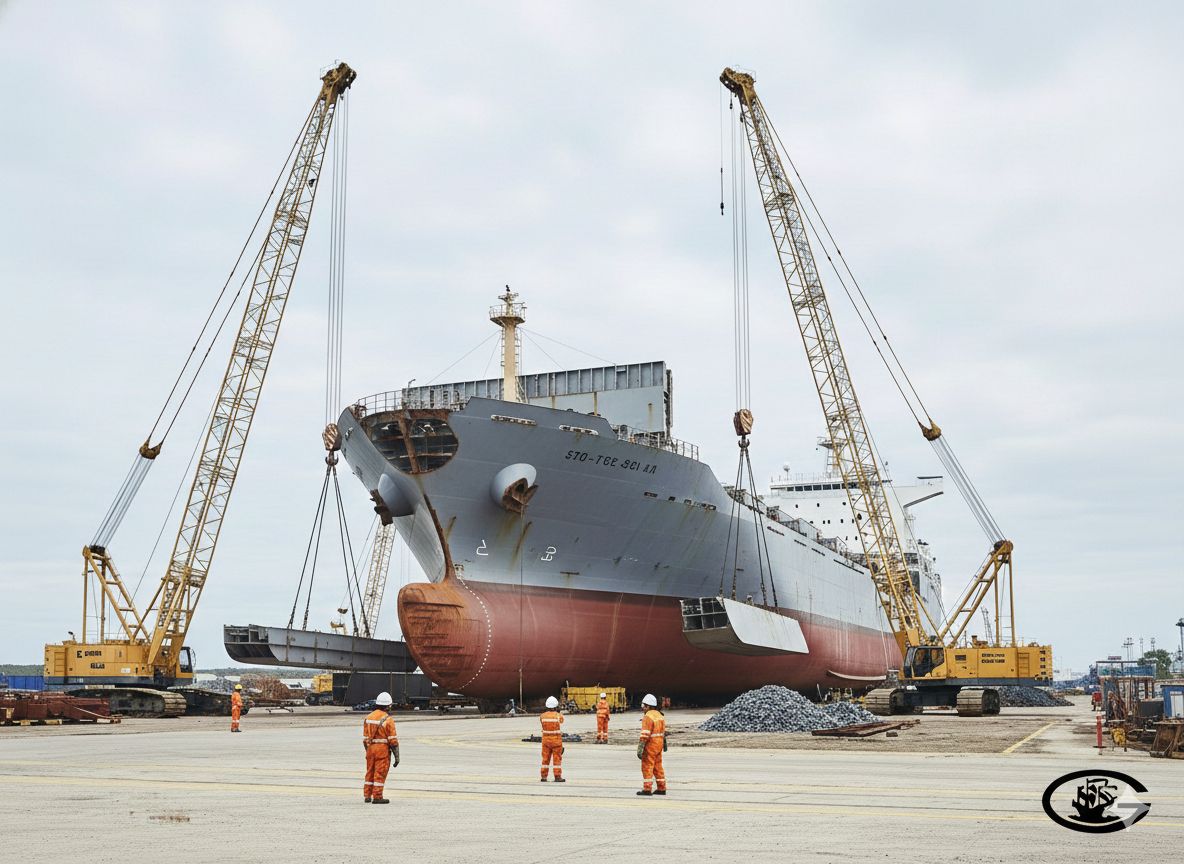
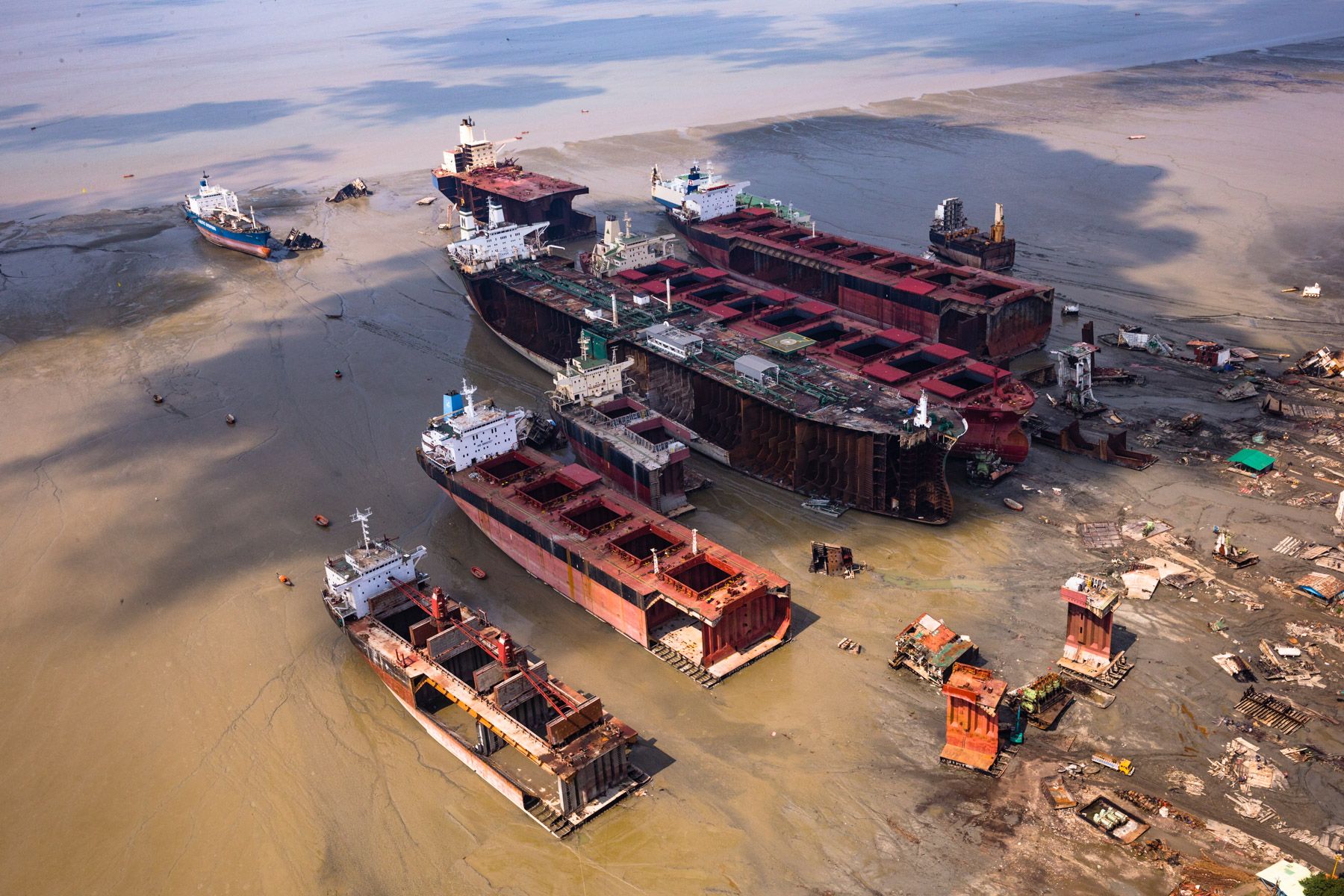
However, industry observers point out that a shortage of skilled manpower remains a key bottleneck. The article argues that establishing dedicated institutions—such as shipbuilding and ship recycling academies—could play a transformative role in creating a technically proficient workforce aligned with global standards.
Maritime training is also closely linked to safety and sustainability. Experts note that better-skilled workers can help ensure compliance with international environmental norms, reduce workplace hazards, and enhance Bangladesh’s competitiveness in global maritime markets.
The need for capacity building comes at a time when Bangladesh is attempting to diversify its economy beyond traditional sectors. With over 90% of its trade dependent on sea routes, strengthening maritime capabilities is seen as vital for long-term economic resilience and growth.
At the same time, challenges such as weak governance, environmental risks, and limited technological capabilities continue to hinder progress in the blue economy. Issues like marine pollution and unsustainable resource use pose threats to sustainable development if not addressed through policy reforms and skilled workforce interventions.
Analysts believe that a coordinated approach—combining education, policy support, and industry collaboration—will be essential to fully harness the potential of Bangladesh’s maritime sector. Strategic investments in human capital, they say, could not only boost productivity but also position the country as a competitive player in the global blue economy.
With the right focus on maritime skills, Bangladesh stands poised to transform its coastal and marine resources into a powerful engine of sustainable economic growth.

Author: shipping inbox
shipping and maritime related web portal