



The global ship recycling industry is entering a new phase where digital technology, workforce training and long-term vessel planning will become as important as environmental compliance, according to a new report released by the Sustainable Shipping Initiative.

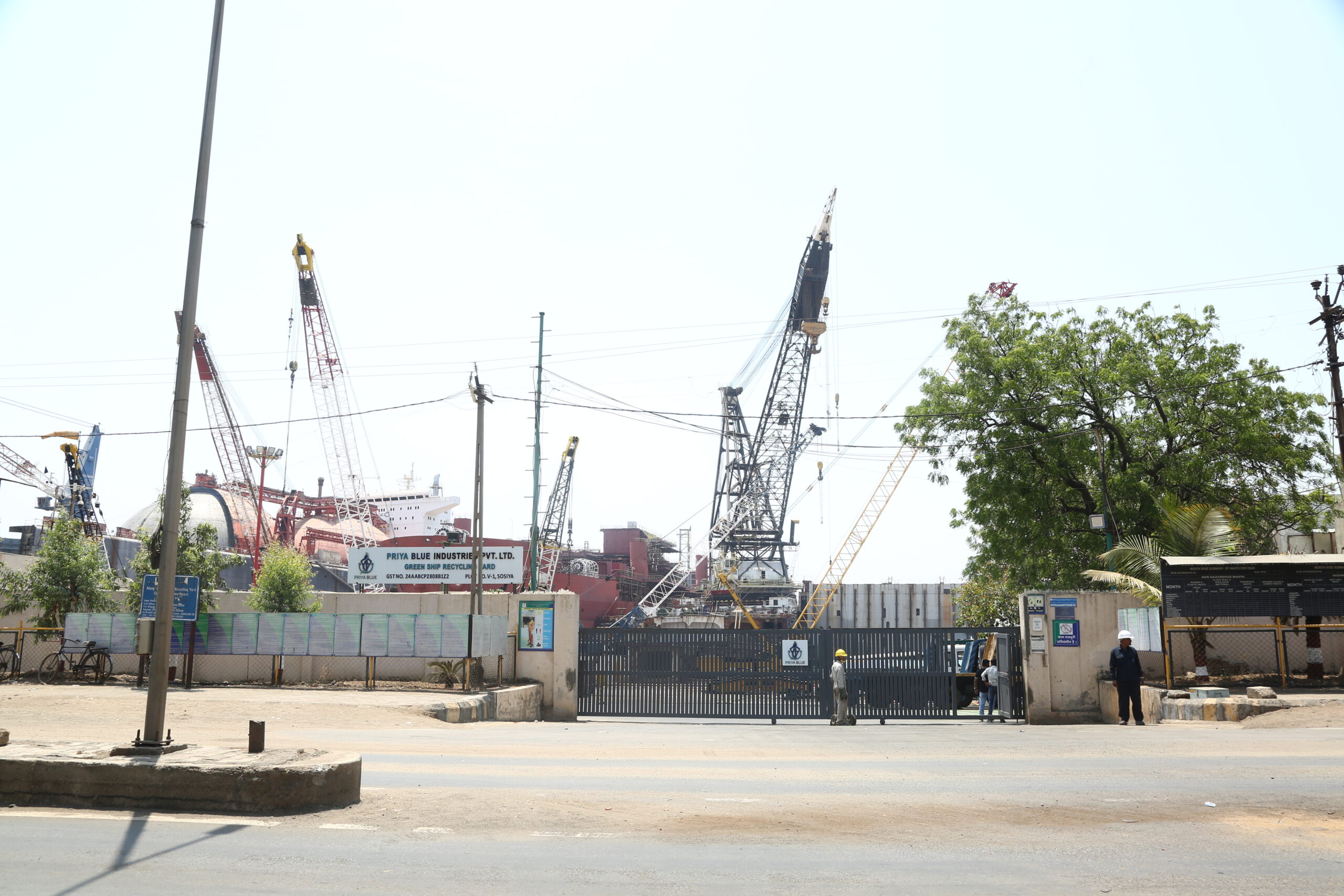
The report, titled Alang in Transition: From Compliance to Capability, highlights how India’s Alang-Sosiya ship recycling cluster in Gujarat has evolved into one of the world’s leading compliant recycling hubs while also warning that future challenges will demand deeper technological integration across the sector.
The study comes at a time when the global maritime industry is preparing for a sharp rise in ship retirements over the coming decades. Aging fleets, stricter environmental regulations and the transition toward greener shipping are expected to send thousands of vessels for dismantling by the 2050s. The report argues that traditional recycling practices alone will not be sufficient to safely manage this surge.
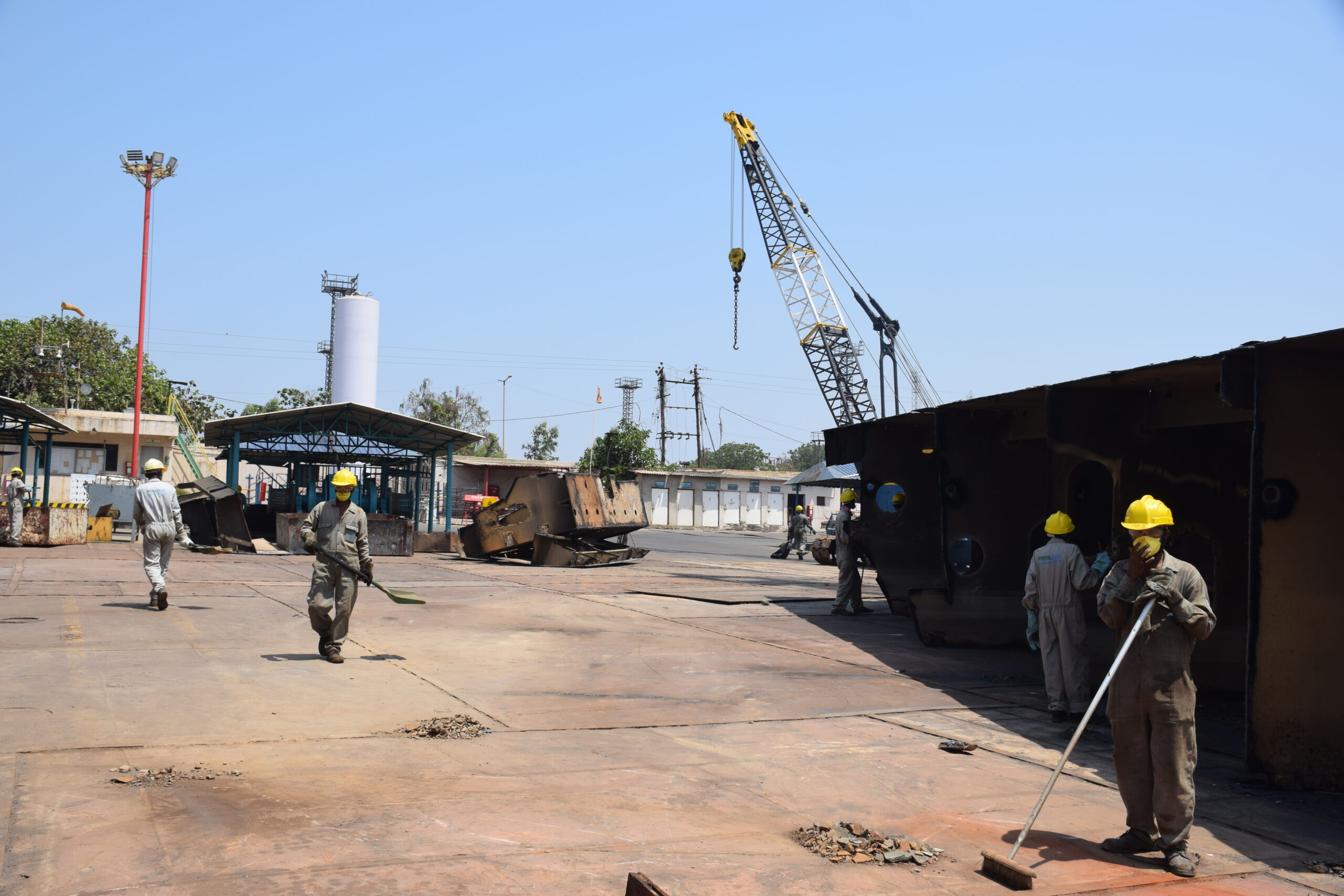
The Alang-Sosiya cluster, located in Gujarat’s Bhavnagar district, remains one of the world’s largest ship recycling centres. According to the report, 115 out of 128 operational plots in the cluster are now compliant with the Hong Kong International Convention for the Safe and Environmentally Sound Recycling of Ships (HKC). Recovery rates at these yards are approaching 98 per cent of a vessel’s total mass, making ship recycling one of the most efficient forms of industrial circular economy activity.
However, the study notes that the next stage of progress will depend heavily on advanced digital systems capable of managing increasingly complex dismantling operations. It stresses that future ship recycling yards will need to integrate technology-driven monitoring, operational planning and workforce management to improve both safety and efficiency.
Among the key innovations identified in the report are digital twin systems that can create virtual models of vessels before dismantling begins, helping recyclers identify hazardous materials and plan cutting sequences more safely. The report also highlights the use of RFID-based worker tracking systems to improve labour safety and AI-assisted gas detection technologies designed to reduce the risk of explosions and toxic exposure inside vessels.
Another major recommendation is the introduction of an “end-of-life passport” for ships. This digital record would continuously track a vessel’s hazardous materials inventory, maintenance history, repairs, ownership changes and operational modifications throughout its lifespan. According to the report, such a system could significantly improve transparency and safety once ships reach recycling yards.
Ellie Besley-Gould said the progress already achieved in compliant facilities provides a strong foundation for the future. She stated that the growing scale and complexity of vessel retirements will require three key areas to work together — digital innovation within recycling yards, end-of-life planning during ship design and maintenance, and long-term investment in workforce knowledge and training.
She emphasised that safety improvements cannot rely only on regulations and infrastructure, but must also involve skilled workers capable of implementing safe practices on a daily basis.
Industry representatives in India say the report reflects the rapid transformation already taking place in the country’s recycling sector. Satish Singh said the findings demonstrate how Indian recyclers are preparing for future global demand through sustainable and responsible operations.
The report also positions ship recycling as a critical component of the global circular economy. Steel recovered from ships can be reused in manufacturing and construction, reducing dependence on virgin raw materials and lowering carbon emissions associated with steel production.
Experts believe that as international shipping moves toward decarbonisation, recycling facilities capable of combining environmental compliance with digital efficiency will play a much larger role in the maritime supply chain. For Alang-Sosiya, the transition from compliance to technological capability may determine its future competitiveness in the rapidly evolving global shipping industry.

Author: shipping inbox
shipping and maritime related web portal