



India Eyes Bigger Role in Green Ship Recycling After Becoming Global Leader
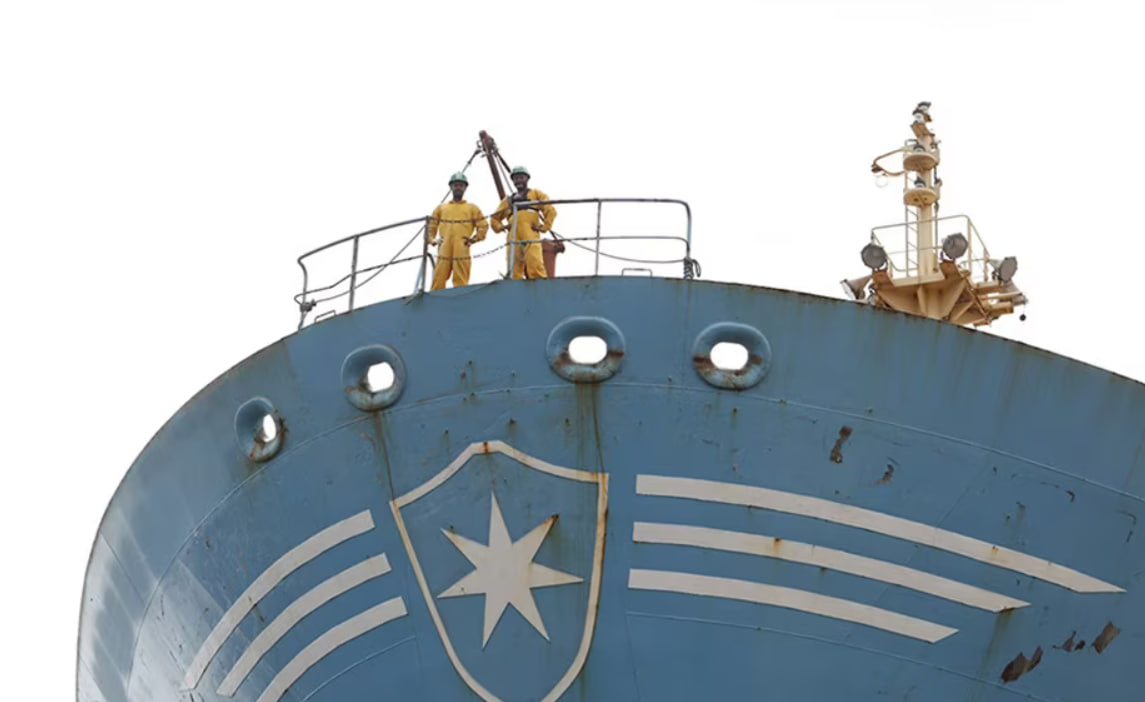
India has officially claimed the top spot as the world’s leading nation for ship recycling. According to the latest data released by the United Nations Conference on Trade and Development (UNCTAD), India expanded its global market share to a commanding 35.4% in 2025, up from 30.1% the previous year.

With this milestone achieved years ahead of schedule, the Indian government is now setting its sights on a much bigger goal: transforming the country into the absolute global hub for “green” and sustainable ship recycling, while directly linking this success to a domestic shipbuilding boom.
A Massive Jump in Numbers
The report reveals that the volume of ships recycled in India witnessed a massive surge, reaching 2.99 million gross tonnes (GT). This represents a nearly 60% increase from the 1.86 million GT recorded previously.
By reaching this top position, India has successfully fulfilled a core target of its Maritime India Vision (MIV) 2030 well before the decade’s end.
Union Minister for Ports, Shipping, and Waterways, Sarbananda Sonowal, praised the milestone, stating that India’s emergence as the top ship recycling nation reflects the success of sustained policy reforms, joint industry efforts, and strict compliance with global environmental and safety rules. He emphasized that the achievement firmly establishes India as a responsible global hub for sustainable maritime practices.
The Shift to “Green” Recycling
For decades, ship-breaking was criticized globally due to environmental pollution and hazardous working conditions. However, India has completely changed its approach by shifting toward eco-friendly or “green” ship recycling.
The turning point came with the enforcement of the Recycling of Ships Act and India’s subsequent ratification of the Hong Kong International Convention. The Hong Kong Convention is a global agreement aimed at ensuring that ships, when being recycled after reaching the end of their operational lives, do not pose unnecessary risks to human health or the environment.
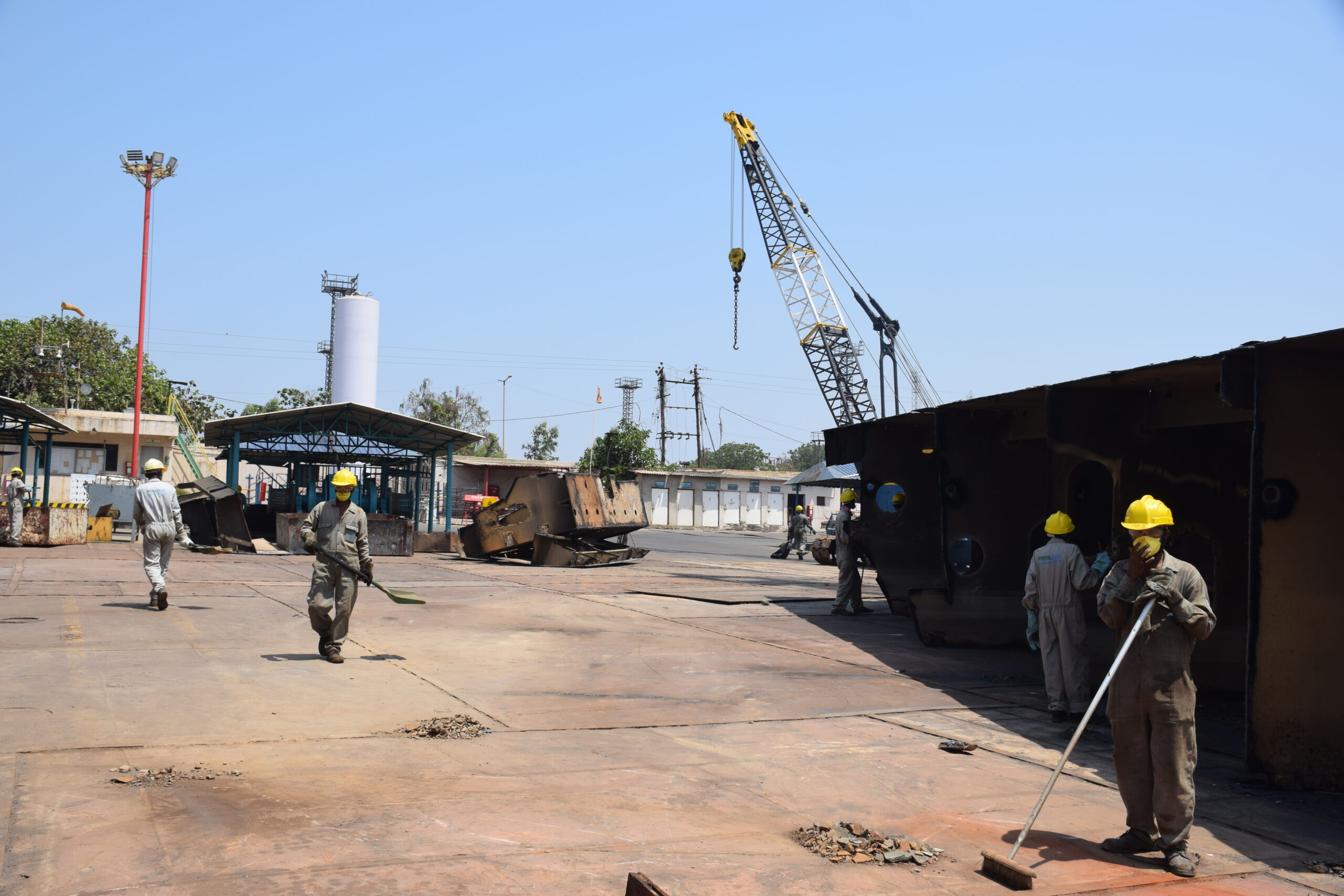
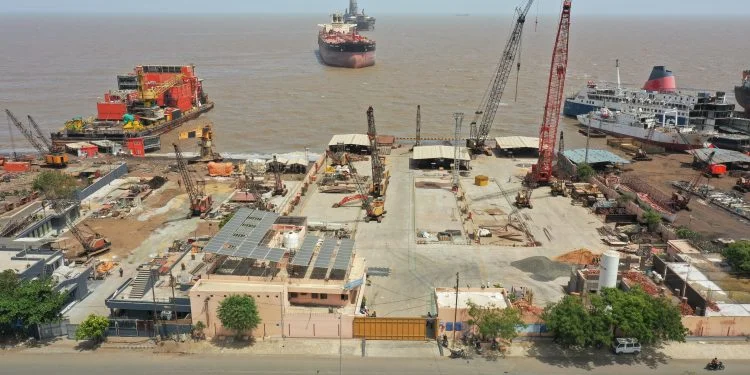
To bring this vision to life, the Indian government provided over ₹53 crore in financial assistance to upgrade domestic ship-breaking yards. Because of these investments, 115 recycling facilities in India are now fully compliant with international safety and environmental standards. The country is also actively working to get its yards included in the European Union’s (EU) approved list of ship recycling facilities, which would open the door to recycling high-value European vessels.
The Alang Expansion Plan
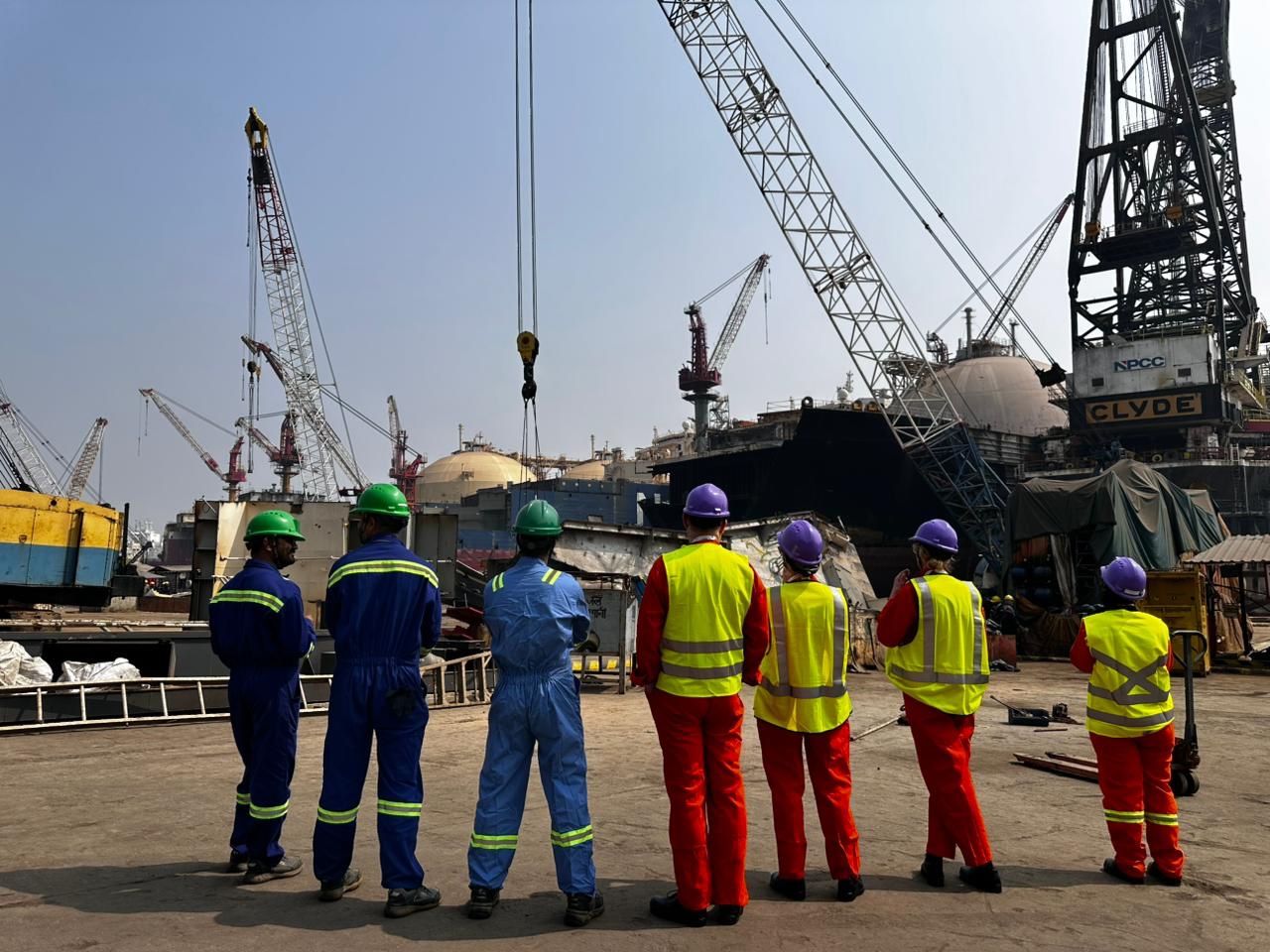
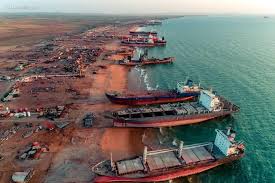
At the heart of India’s ship recycling sector is Alang in Gujarat, which is already recognized as the world’s largest ship-breaking yard. To capitalize on its newfound global leadership, the government has prepared a master plan to expand Alang’s infrastructure.
The expansion aims to nearly double India’s current capacity, taking it to approximately 9 million Light Displacement Tons (LDT). The timing is highly strategic: the Baltic and International Maritime Council (BIMCO) estimates that more than 16,000 vessels will need to be recycled worldwide over the next ten years. With its current market dominance, India is perfectly positioned to dismantle and recycle 500 to 600 of these massive ships every single year.
Linking Recycling to New Shipbuilding
India is not just focusing on tearing old ships apart; it is cleverly using the scrap metal to build brand-new vessels. The government has introduced an innovative Ship-breaking Credit Note Scheme to support its long-term goals under the Maritime Amrit Kaal Vision 2047, which aims to place India among the top five shipbuilding nations globally by 2047.
Under this new scheme, ship owners who recycle their old vessels in India receive a credit note worth 40% of the ship’s scrap value. Owners can then use this credit—up to 5% of a new vessel’s total cost—to finance the construction of a brand-new ship at an Indian shipyard. This creates a sustainable “circular economy” loop, where old steel is directly reused to fuel the domestic manufacturing of modern, green vessels.
Driving Next-Generation Maritime Growth
While challenges remain—such as high interest rates for capital and a reliance on imported specialized marine components—the government is pushing forward by embracing next-generation green technology. Initiatives like the Green Tug Transition Programme are pushing domestic shipyards to build vessels powered by alternative fuels like hydrogen fuel cells, methanol, and electric batteries.
By prioritizing worker safety, environmental protection, and financial incentives that bridge recycling with new construction, India is setting a new global benchmark for the maritime industry. The nation is no longer just a destination for old ships; it is shaping up to be the green engine of the global maritime future.
To learn more about how India achieved this milestone and what it means for the global economy, you can watch this report on India Overtakes Rivals to Become World’s Top Ship Recycler, which breaks down the data and international market shifts.

Author: shipping inbox
shipping and maritime related web portal