



Green Certification Alone Cannot Guarantee Safe Ship Recycling
CHITTAGONG: A recent accident at a ship recycling yard in Bangladesh has once again raised serious questions over whether environmental and “green” certification alone is sufficient to ensure the safety of workers in one of the world’s most hazardous industrial sectors.

Nine workers were reportedly exposed to toxic gas while working inside the ballast tank of the scrap vessel MT Rasi at Ferdous Steel Ship Recycling Industries in Sitakunda, Chattogram, on August 14. The incident involved exposure to hydrogen sulphide, a highly toxic gas that can accumulate in enclosed spaces. Several workers were injured in the accident.
The incident has triggered renewed scrutiny of Bangladesh’s ship recycling safety and compliance system, particularly because the yard was reportedly certified as compliant with the Hong Kong International Convention for the Safe and Environmentally Sound Recycling of Ships, commonly known as the Hong Kong Convention (HKC).
According to data cited by ship recycling analyst Muhammed Ali Shahin of Young Power in Social Action (YPSA), 84 accidents were recorded in Bangladesh’s ship recycling sector between June 26, 2025, when the HKC entered into force, and August 14, 2026. These incidents reportedly resulted in 15 worker deaths and 81 injuries. Another estimate puts the number of deaths since 2014 at 161, with 225 workers injured. Twelve workers have reportedly died in accidents so far this year.
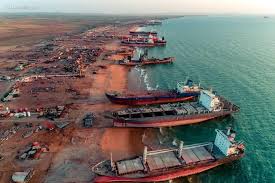
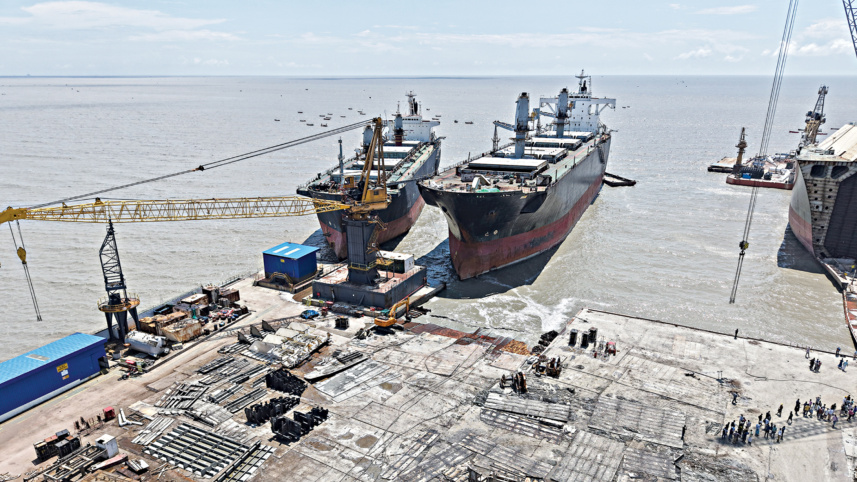
Bangladesh currently has 31 functioning ship recycling yards, of which 23 have reportedly achieved “green” certification while eight are undergoing certification. The progress demonstrates the industry’s efforts to improve environmental and safety standards. However, the latest accident has highlighted a crucial distinction: certification of a facility does not automatically mean that safe working practices are consistently followed on the ground.
Ship recycling is inherently hazardous, particularly when workers enter enclosed spaces such as ballast tanks, fuel tanks and other compartments. Such areas can contain oxygen-deficient atmospheres or dangerous concentrations of toxic gases. Proper gas testing, ventilation, work permits, emergency rescue arrangements and appropriate respiratory protection are therefore essential before workers enter these spaces.
The latest accident raises questions about whether these procedures were properly assessed, implemented and continuously monitored at the yard. Investigators will also need to examine whether hydrogen sulphide and other toxic gases had been identified during risk assessments and whether workers were adequately protected.
The scrutiny, however, should not stop with shipyard owners and workers. Safety consultants, certification bodies, inspectors and government agencies responsible for approving and monitoring recycling facilities also have important roles in the compliance chain.
Consultants engaged by ship recycling yards prepare safety assessments, environmental management plans and risk-management recommendations. Authorities and certification bodies then rely on such documentation when evaluating facilities. If serious safety deficiencies remain despite certification, the effectiveness of the entire system needs to be examined.
Another concern is the potential conflict of interest when consultants who have advised a yard later participate as experts in investigations into accidents at the same facility. Independent investigation is essential if authorities are to identify failures without compromising impartiality.
The case of Ferdous Steel also raises questions because the Department of Inspection for Factories and Establishments had reportedly taken legal action against the yard months before the accident over occupational-safety failures. Investigators therefore need to establish whether corrective measures were ordered, whether they were implemented and who verified compliance.
The Hong Kong Convention provides an important international framework for safe and environmentally sound ship recycling, including requirements concerning hazardous materials, recycling plans, worker safety and facility standards. But compliance must extend beyond certificates and paperwork.
At the same time, implementation of the Basel Convention should complement the HKC rather than be treated as an alternative. While the HKC focuses specifically on ship recycling, the Basel framework addresses the transboundary movement and environmentally sound management of hazardous and other wastes.
For Bangladesh and other major ship recycling destinations, the lesson is clear. A certificate can demonstrate that a facility meets prescribed requirements at a particular point in time, but it cannot replace continuous monitoring, enforcement and a strong safety culture.
Accountability must therefore extend beyond the shipyard gate to consultants, inspectors, certification bodies and authorities involved in ensuring compliance.
Green certification is an important step towards responsible ship recycling—but protecting workers’ lives requires safe operations every day, not simply compliance on paper.

Author: shipping inbox
shipping and maritime related web portal