



Fatal Bangladesh Blast Exposes Deadly Blind Spot in Demolition Yards: Why Hull Breaches Demand New Precautions
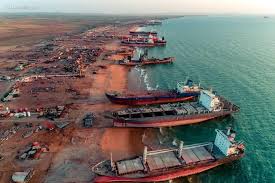
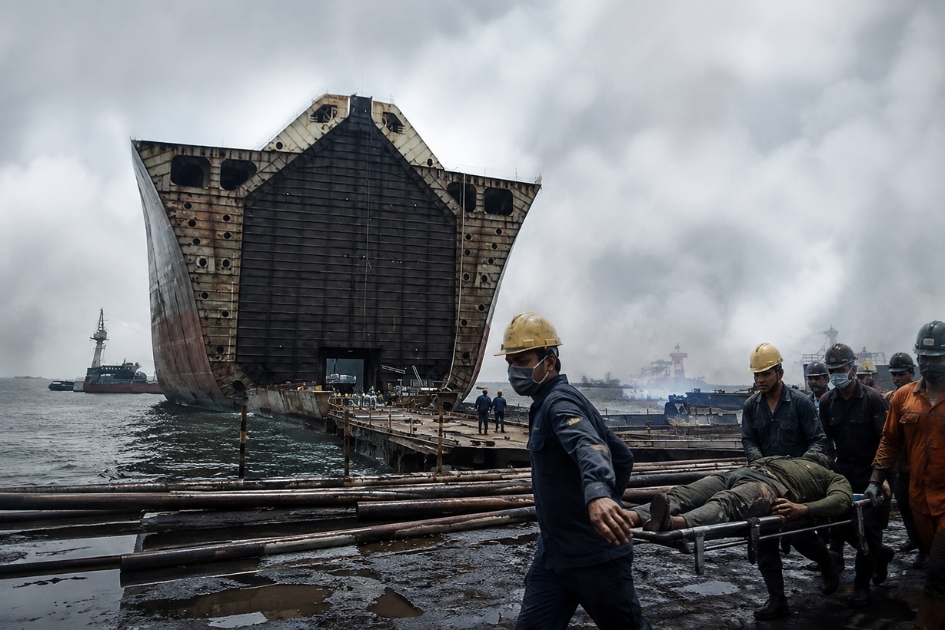
CHATTOGRAM — A fatal incident at a shipbreaking yard in Bangladesh has ignited an urgent debate across the global maritime industry, exposing a critical safety blind spot: current protocols often safeguard against entering confined spaces, but fail to adequately control the dangers when breaching them from the outside.

The disaster occurred on August 14 in Chattogram, claiming the lives of ten yard workers during the recycling of an end-of-life vessel. Writing in an analysis for maritime news outlet Splash247, Dr. Anand Hiremath, CEO of the Sustainable Ship and Offshore Recycling Program, stressed that while statutory investigations will establish the exact chain of events, technical findings point to a systemic issue demanding an immediate overhaul of yard safety standards.
Danger Outside the Tank
Unlike conventional confined-space accidents, where workers succumb to toxic atmospheres or oxygen deficiency after stepping inside, the victims in Chattogram were operating in an open-air environment. The incident unfolded when the bottom of double-bottom ballast tank No. 3 on the port side was cut.
Upon cutting the steel, an uncontrolled rush of stored liquid and lethal gas escaped into the adjacent workspace. Because hydrogen sulphide (H₂S) is heavier than air, it rapidly collected near ground level in high concentrations, suffocating workers before natural outdoor ventilation could dissipate the cloud.
“The hazard originated in an enclosed space, but the exposure occurred outside it,” Dr. Hiremath noted, emphasizing that this technical distinction highlights a major gap in modern risk architecture. The event was not merely an atmospheric failure, but a stored-energy event triggered during the breach of the vessel’s hull at its lowest point.
The Illusion of Routine
The vessel had already been approximately 70 percent dismantled prior to the fatal breach. The accommodation blocks and engine room had been safely removed, and workers had already cut open two preceding ballast tanks using identical methods without incident.
Experts caution that repeated success often creates complacency. In long-sealed ballast tanks, residual seawater and biofilm can undergo extended biological decomposition under anoxic (oxygen-depleted) conditions. These changing chemical environments, influenced by time, temperature, and pH shifts, turn long-sealed voids into unpredictable chemical reactors. The safe opening of one tank offers zero guarantee regarding the internal atmosphere of the next.
Crucially, the facility held certifications reviewed under the evolving Hong Kong International Convention framework. However, maritime safety analysts warn that institutional certification cannot substitute for dynamic, task-specific hazard assessments conducted immediately before steel is cut.
Rethinking Yard Protocols
The tragedy reinforces the need to shift safety paradigms in the ship recycling sector. Industry guidelines focus heavily on internal entry checks, including forced ventilation, multi-gas testing, and strict permits. However, Dr. Hiremath argues that the safety perimeter must be extended:
-
Controlling the Breach: The initial opening of any sealed ballast tank, cofferdam, or void space must be treated as a high-risk operation, whether or not human entry is scheduled.
-
Continuous Atmospheric Monitoring: Portable gas detectors and exclusion perimeters must be established outside the tank prior to torch cutting.
-
Drills and Rescue Readiness: Because the instinct to rush in and pull out an unconscious colleague often claims secondary casualties, rescue drills must be institutionalised. Breathing apparatus and trained response teams must be stationed directly on-site, rather than relying on improvised aid.
As yard operators and international regulators review safety compliance, the Chattogram disaster delivers a sobering reminder to the global maritime community: standard procedures must govern the very first cut, because even in wide-open yards, lethal hazards do not remain locked behind the steel.

Author: shipping inbox
shipping and maritime related web portal