




BIMCO Unveils New Standard Contracts for Ship Recycling and Energy-Saving Retrofits
COPENHAGEN — In response to mounting environmental regulations and decarbonization targets, the Baltic and International Maritime Council (BIMCO) has formally adopted two major contractual solutions: a revised RECYCLECON contract and the newly drafted Energy Saving Device Retrofit Addendum 2026.

The contracts were approved during an online meeting of BIMCO’s Documentary Committee on October 8, providing shipowners, charterers, and recyclers with standardized legal frameworks to navigate fleet modernization and sustainable end-of-life vessel disposal.
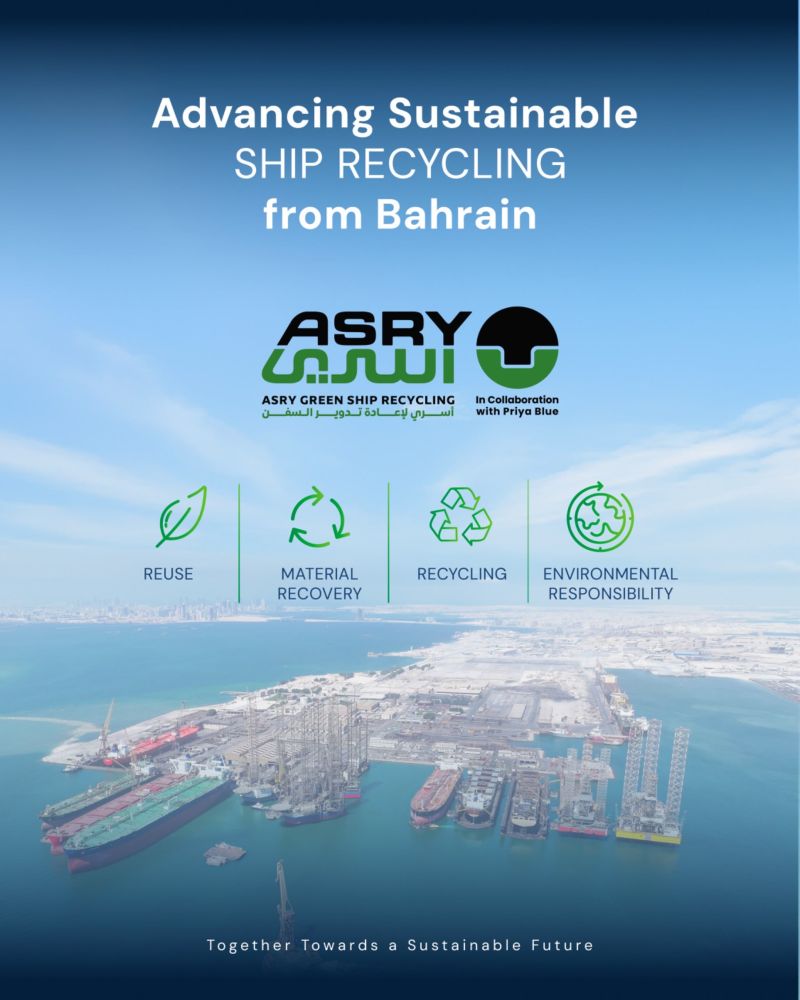
Sustainable Ship Recycling: The Revised RECYCLECON
With a significant wave of commercial vessels expected to reach the end of their operational lifespans over the next decade, safe and compliant demolition has become a critical operational issue.
The updated RECYCLECON updates commercial and documentary arrangements across sellers, buyers, and recycling facilities. Crucially, the revised standard aligns with the principles and technical standards of the Hong Kong International Convention for the Safe and Environmentally Sound Recycling of Ships, establishing clear baselines for environmental safety, worker welfare, and hazardous material management.
Decarbonization in Charterparties: Energy Saving Device Addendum
As shipowners invest heavily in efficiency-improving hardware—such as wind-assisted propulsion systems, hull air lubrication, and wake-equalizing ducts—commercial arrangements between owners and charterers have faced friction regarding installation costs and fuel savings.
The new Energy Saving Device Retrofit Addendum 2026 introduces a contractual mechanism for time charters, outlining how owners and charterers can:
-
Equitably divide the capital expenditure and drydock installation downtime.
-
Apportion fuel-reduction benefits and emissions-allowance savings achieved during commercial operation.
Sanctions, Electric Vehicles, and Project Cargo
Beyond decarbonization, the Documentary Committee addressed several evolving commercial and geopolitical risks:
-
EU Tanker Sale Sanctions: The committee reviewed a proposed EU Tanker Sale and Resale Restrictions Clause, aiming to translate expanding EU maritime sanctions into enforceable, balanced contractual terms for tanker transactions.
-
Carriage of Electric Vehicles: In light of fire-safety concerns and the rapid surge in seaborne trade of battery-electric vehicles, drafting is underway on a dedicated Clause for the Carriage of Electric Vehicles addressing operational and liability standards for both new and used EVs.
-
Heavy-Lift Modernization: Revisions to HEAVYLIFTVOY, BIMCO’s voyage charter form for project and heavy-lift cargo, are advancing. The updates focus on loading/discharging procedures, notices of readiness, laytime, and waiting periods, supported by an updated bill of lading and a newly designed sea waybill.
Digitalization and Offshore Wind Expansion
BIMCO also reported progress on broader operational initiatives aimed at digital efficiency and renewable energy:
-
Electronic Trade Documents & Port Optimization: Updates are underway for the Electronic Bills of Lading Clause 2014 to foster cross-system interoperability. Concurrently, a new Just in Time (JIT) Arrival and Virtual Notice of Readiness Clause is being crafted to allow dynamic speed adjustments ahead of port arrival, reducing unnecessary anchorage congestion, fuel consumption, and emissions.
-
Dedicated Offshore Wind Contract (WINDSEACON): Work continues on WINDSEACON, slated to become the industry’s first dedicated standard contract tailored specifically for the transport and installation of offshore wind turbines. The contract seeks to replace the fragmented patchwork of modified charter forms and construction agreements currently used across the offshore wind sector.

Author: shipping inbox
shipping and maritime related web portal