



Beyond Compliance: How Upskilling- Predictive Monitoring- and Gender Inclusion Are Transforming India’s Ship Recycling Sector
By Staff Reporter

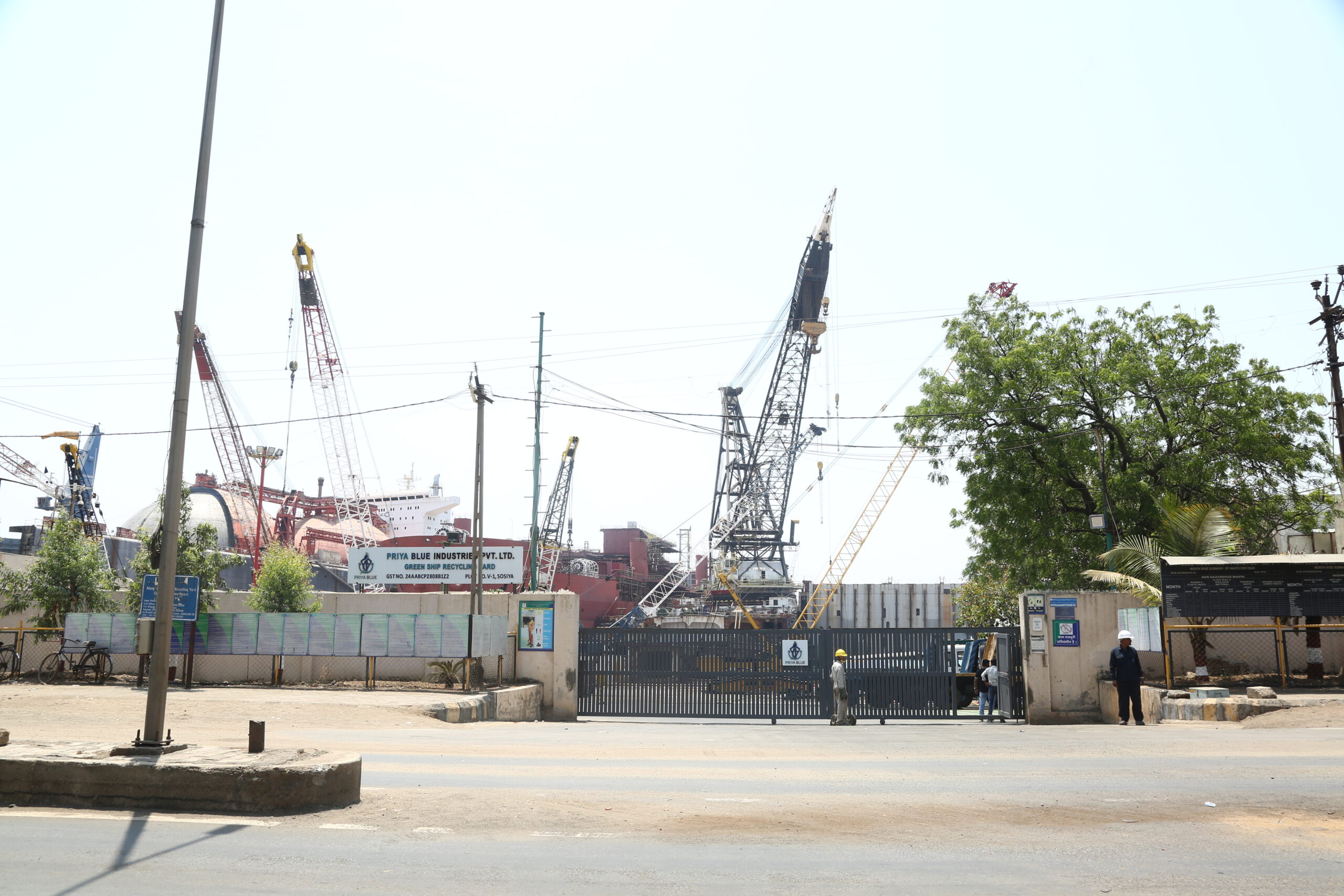
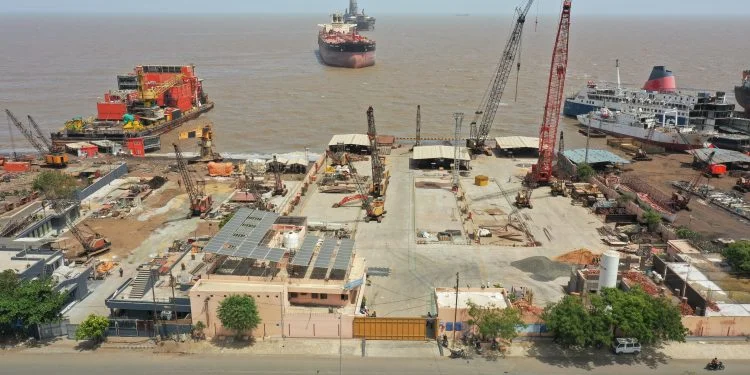
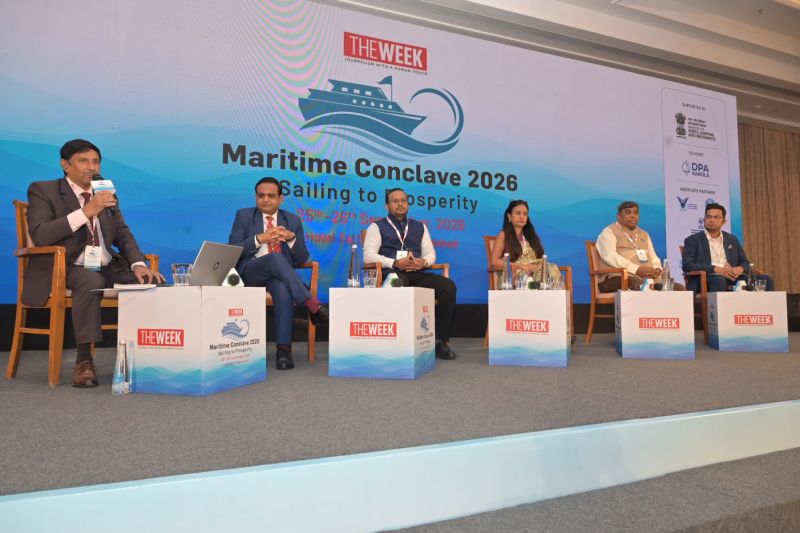
Mumbai — India’s ship recycling industry is undergoing a structural paradigm shift, moving away from rudimentary regulatory compliance toward a predictive, ecosystem-wide occupational safety culture. Experts, labour representatives, and industry leaders gathered at THE WEEK Maritime Conclave 2026 highlighted that continuous upskilling, rigorous analytical monitoring, and addressing gender-specific safety gaps are now critical to sustaining India’s global leadership in green ship recycling.
Speaking during a panel on occupational health and worker safety, Pallavi Mansingh, National Project Coordinator at the International Labour Organization (ILO), stressed that the traditional practice of limiting safety governance to post-incident reporting filed away in administrative cabinets is no longer sufficient.
“While compliance creates the initial push, a genuine safety culture is taking root on the ground,” Mansingh noted. “What becomes extremely critical for us also is to move beyond set formats of reporting and get into an analytical mode.”
According to the ILO representative, sustainable safety depends on tracking “near-misses” and systematically evaluating operational patterns. She emphasised that safety frameworks and skilling must encompass the entire industrial cluster—including seasonal and informal workers who frequently transition between primary beach cutting yards and downstream secondary processing facilities. Crucially, effective safety should be gauged not merely by hours spent in training sessions, but by how well workers retain knowledge and adopt safe operational behaviours in hazardous environments.
Echoing this sentiment, Vidyadhar Vasudeo Rane, General Secretary of the Alang Sosiya Ship Recycling and General Workers Association, underscored the socio-economic evolution of the workforce. “Workers are no longer disposable day-labourers; they are certified industrial professionals,” Rane stated, pointing to continuous safety training and formal certification drives across the Alang-Sosiya shipbreaking belt.
Spotlight on Downstream Women Workers
A prominent focus of the discussions was the often-overlooked demographic of female workers across secondary maritime recycling chains. While primary torch-cutting operations on the beachfront remain largely male-dominated, a considerable number of women are employed across downstream operations.
“Significant numbers of women work in downstream secondary processing—sorting scrap, handling heavy anchor ropes, and managing re-rolling shop inventories,” Mansingh highlighted. She urged policymakers and yard operators to bridge this structural gap by providing women workers with formal occupational health and safety training, ergonomically suited tools, and mandatory healthcare coverage under the Employees’ State Insurance Corporation (ESIC).
The panel, chaired by Tushar Pradhan, CEO of the Indian Maritime Centre, also featured key insights from industry stakeholders, including Rohit Agarwal, COO of Bansal Shipbreakers; Dr. Anand Hiremath, CEO of the Sustainable Ship and Offshore Recycling Program; and Prasad Sawant, CEO of Buoyancy.
The conclave concluded with a shared consensus that as international maritime regulations—such as the Hong Kong International Convention for the Safe and Environmentally Sound Recycling of Ships—tighten global standards, India’s competitive advantage will rest on treating occupational welfare, human capital, and operational transparency as core business drivers rather than statutory formalities.

Author: shipping inbox
shipping and maritime related web portal