



Bangladesh Shipbreaking Tragedy Raises Fresh Questions Over Safety Enforcement
DHAKA/CHATTOGRAM: The deaths of nine workers at a ship recycling yard in Bangladesh have renewed serious questions over the effectiveness of the country’s extensive legal and regulatory framework governing one of its most important industrial sectors.

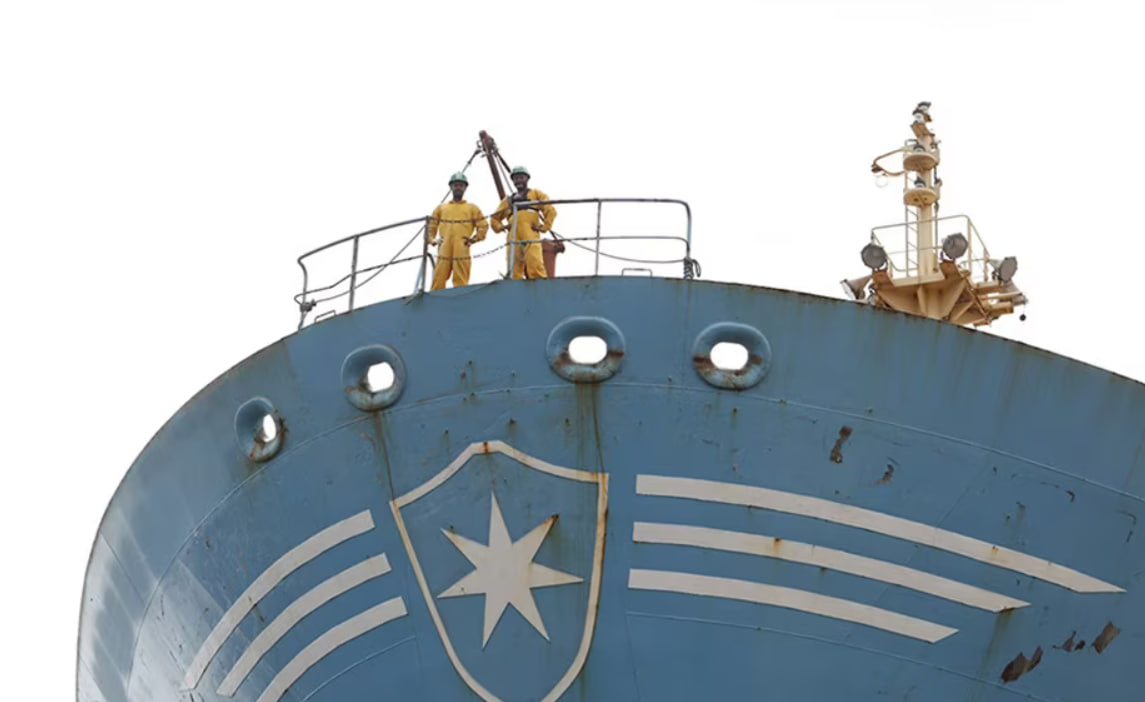
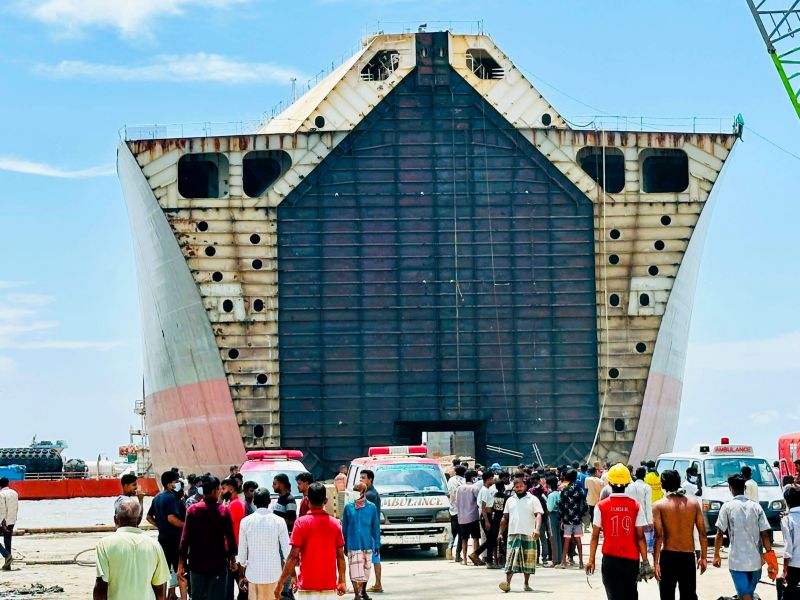
The workers died on August 14 after being exposed to toxic gas while cutting scrap inside the former LNG carrier MT Rasi at Ferdous Steel Ship Recycling Industries in Bhatiari, Sitakunda, Chattogram. Several other workers were reportedly injured or fell ill in the incident. An inquiry later identified hydrogen sulphide as the cause of death, raising concerns over whether adequate gas detection, ventilation, entry control and emergency rescue procedures were followed before cutting operations began.
The tragedy is particularly troubling because Bangladesh has spent nearly two decades building a legal framework intended to make ship recycling safer. The country introduced the Ship Breaking and Ship Recycling Rules in 2011, enacted the Bangladesh Ship Recycling Act in 2018 and subsequently strengthened its commitment to international standards through the Hong Kong International Convention for the Safe and Environmentally Sound Recycling of Ships.
Yet, despite this regulatory architecture, workers continue to die in accidents involving fire, explosions, toxic gases, falls and other hazards.
According to a recent report by The Daily Star, the Department of Inspection for Factories and Establishments (DIFE) had already identified safety deficiencies at Ferdous Steel. Inspections conducted in February, May and June resulted in notices directing the company to correct deficiencies. When compliance remained inadequate, DIFE filed a case before the Chattogram Labour Court on July 15. Less than a month later, the fatal accident occurred.
The sequence has intensified scrutiny of whether regulators have sufficient powers—or, more importantly, whether existing powers are being used effectively—to prevent dangerous work before workers are exposed to life-threatening conditions.
Laws exist, but enforcement remains the challenge
Bangladesh’s Labour Act, 2006 contains provisions designed to address dangerous workplaces. Inspectors can prohibit the use of machinery, buildings or facilities where there is an imminent danger to human life. The law also contains specific safeguards concerning dangerous fumes in confined spaces, including vessels, requiring spaces to be made safe before workers enter or appropriate breathing and rescue arrangements to be established.
The Ship Breaking and Ship Recycling Rules, 2011 provide further safeguards, including periodic safety evaluations of recycling yards and the authority to suspend cutting operations when unsafe practices are detected.
The Bangladesh Ship Recycling Act, 2018 subsequently created the Bangladesh Ship Recycling Board (BSRB), giving the board responsibilities relating to the supervision and inspection of ship recycling activities.
Bangladesh also became part of the international regulatory transition following its accession to the Hong Kong Convention. The convention entered into force internationally in June 2025 and establishes requirements covering hazardous materials, ship recycling plans and authorised recycling facilities.
The issue, therefore, is no longer simply whether Bangladesh has rules. The more difficult question is whether those rules are being implemented consistently at the workplace.
Conflicting safety assessments
The latest tragedy has raised another disturbing issue: the difference between paperwork-based certification and actual conditions inside a vessel.
According to a report published by Prothom Alo, the vessel involved in the accident had previously received clearance from several government bodies and a private safety agency. A joint inspection was conducted in July 2025, and the vessel was subsequently cleared for recycling. The Bangladesh Ship Recycling Board also approved the dismantling process.
However, an inquiry into the August accident reportedly identified hydrogen sulphide as the toxic gas responsible for the deaths. The earlier inspection report and the vessel’s Inventory of Hazardous Materials reportedly did not identify the hazardous substance that ultimately killed the workers.
This discrepancy has important implications for the entire ship recycling chain.
A general approval of a shipyard cannot by itself guarantee that every vessel entering the yard is safe to dismantle. Each vessel presents different risks depending on its previous cargoes, fuel residues, tanks, pipelines, coatings, chemicals and other materials. Vessel-specific inspection, gas testing and clearance immediately before workers enter confined spaces are therefore critical.
The latest accident demonstrates why certification cannot be treated as a one-time administrative exercise.
Human cost of a major industry
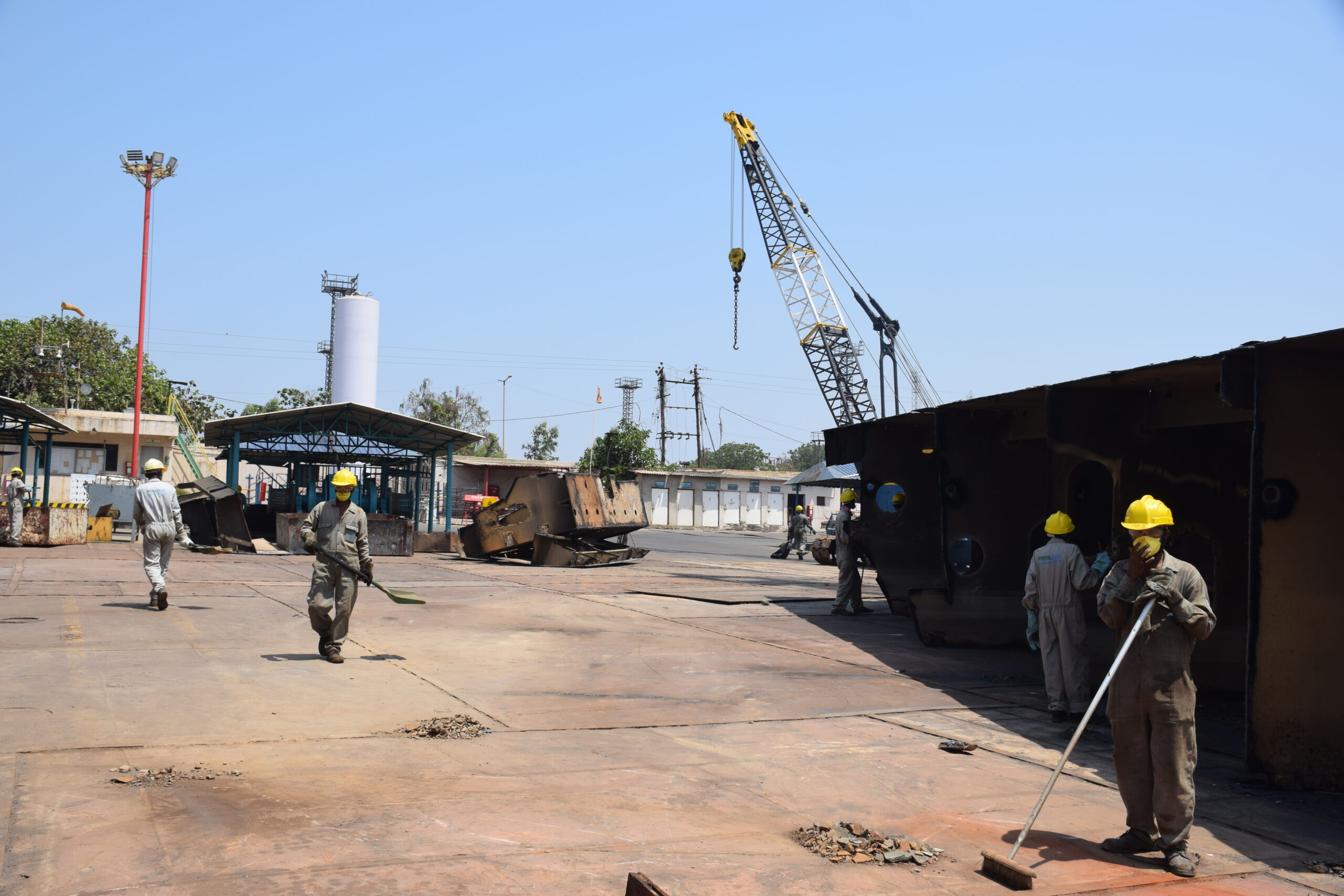
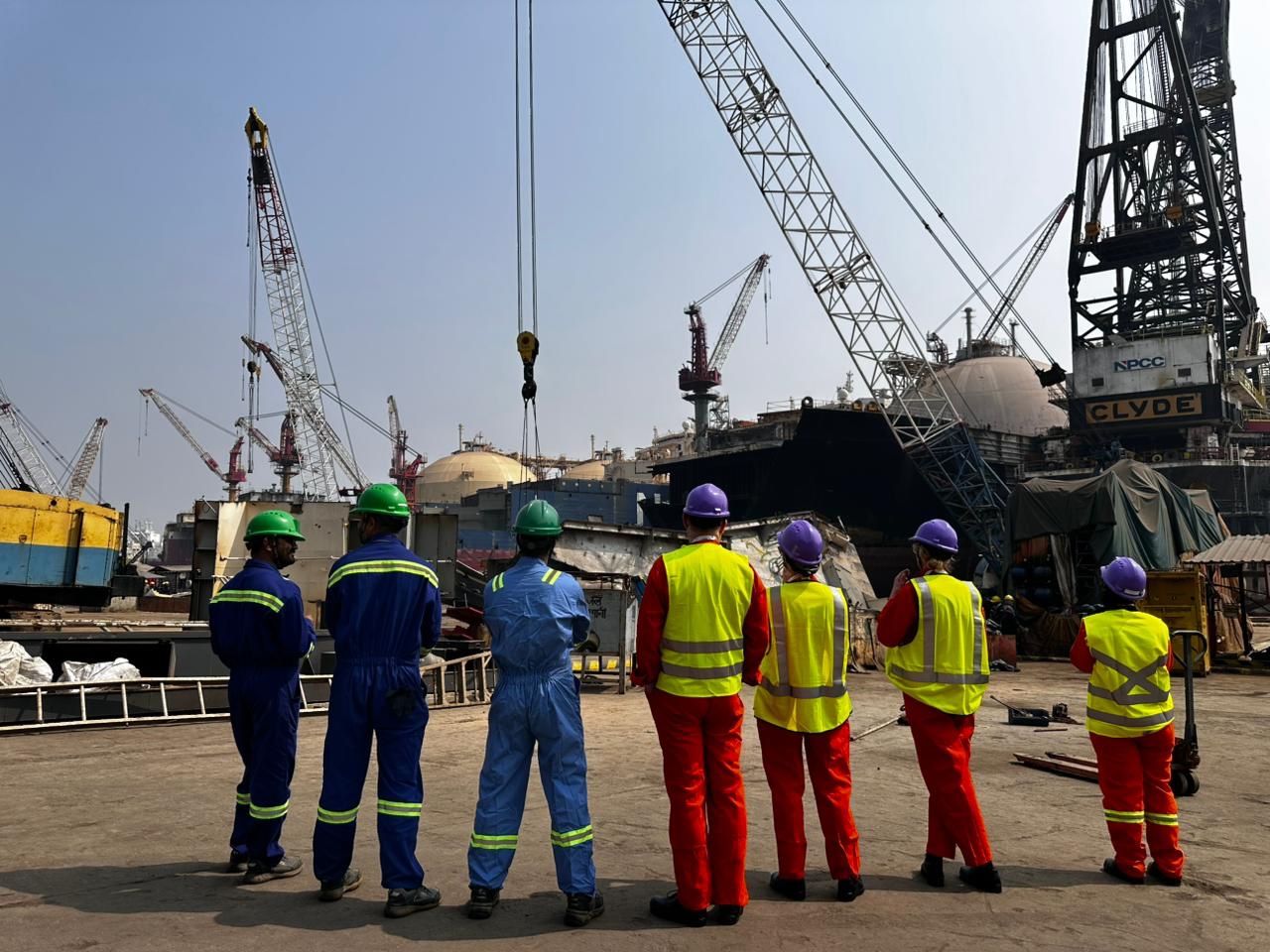
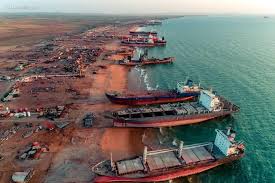
Ship recycling is economically indispensable to Bangladesh. The Sitakunda recycling zone is one of the world’s major centres for end-of-life ships and provides a substantial supply of scrap steel to the country’s construction and manufacturing industries.
A 2017 assessment cited by The Daily Star estimated that the sector generated average annual output of about Tk 53.3 billion and contributed around Tk 5 billion a year through customs duties, income taxes and VAT. It also supported approximately 25,000 to 40,000 full-time-equivalent jobs.
More recent international reporting has described the Sitakunda coast as a major global ship-scrapping hub, with the industry employing tens of thousands of workers and supplying more than half of Bangladesh’s scrap steel.
The economic contribution, however, makes workplace safety more important—not less.
According to figures cited by The Daily Star, more than 150 people have died in shipbreaking accidents in Sitakunda since 2014, while more than 200 others have suffered injuries. Twelve deaths had reportedly already been recorded in the sector during 2026 before or around the latest tragedy.
Data from the Bangladesh Institute of Labour Studies cited by Prothom Alo put the number of workers killed in shipbreaking accidents at 137 between 2015 and 2025. With three additional deaths in the first six months of 2026 and the nine deaths recorded on August 14, the reported total reached 149.
While statistics can vary according to methodology and reporting periods, the overall pattern is unmistakable: serious accidents remain a recurring feature of the industry.
Multiple regulators, fragmented responsibility
Another challenge is the number of authorities involved in regulating ship recycling.
The DIFE is responsible for occupational safety, while the Department of Explosives deals with matters including gas-related certification. The Department of Environment handles environmental clearances, and the Bangladesh Ship Recycling Board oversees important aspects of ship recycling operations.
Such a multi-agency system can work only when information is shared effectively and responsibilities are clearly defined.
The latest incident raises questions about whether the different authorities independently assessed the same vessel or whether their findings were sufficiently integrated before dismantling began.
A ship that has received environmental clearance is not necessarily safe for workers to enter. Similarly, a gas-free certificate or structural assessment cannot replace continuous monitoring during dismantling.
The industry therefore needs a system in which responsibility does not stop once a certificate has been issued.
Global shipping industry also has a role
The responsibility for safe ship recycling cannot rest entirely with Bangladesh.
Ships arrive at South Asian recycling yards after operating under international flags and ownership structures. Shipowners, cash buyers, flag states, classification societies, consultants, certification bodies and recycling yards all form part of the recycling chain.
The Hong Kong Convention was developed precisely because ship recycling is an international activity requiring common standards. It establishes requirements for hazardous-material management, ship recycling plans and authorised recycling facilities.
For the system to work, accurate information about a vessel’s hazardous materials must follow the ship throughout its operational life and into recycling. A missing or incomplete Inventory of Hazardous Materials can have deadly consequences when workers begin cutting into tanks or enclosed spaces.
International buyers and shipowners should therefore conduct meaningful due diligence before sending vessels for recycling rather than relying solely on documents and certificates.
From reactive action to preventive safety
The most important lesson from the Ferdous Steel tragedy is that regulation must become preventive.
Authorities need to ensure that unsafe operations are stopped before an accident occurs. Where inspections identify serious deficiencies, operations should remain suspended until corrective measures are independently verified.
Gas testing must be carried out before and during work in confined spaces. Workers should have appropriate personal protective equipment, training and emergency communication systems. Rescue teams must be prepared for incidents involving toxic gases, and yards should maintain reliable equipment for detecting hazardous atmospheres.
At the same time, investigations into fatalities must establish responsibility throughout the chain—not merely identify the worker or immediate employer involved.
Bangladesh has an opportunity to demonstrate that ship recycling can be both economically productive and genuinely safe. The country already has much of the legal foundation required to achieve that goal.
But laws on paper cannot protect a worker standing inside a vessel filled with toxic gas.
The deaths at Sitakunda should therefore become a turning point. The question is no longer whether Bangladesh has enough regulations. It is whether regulators, yard owners and all other stakeholders will enforce those regulations rigorously enough to ensure that workers return home safely after every shift.
For an industry built on recycling ships and recovering valuable materials, the most valuable resource must ultimately remain the lives of the people doing the work.

Author: shipping inbox
shipping and maritime related web portal