



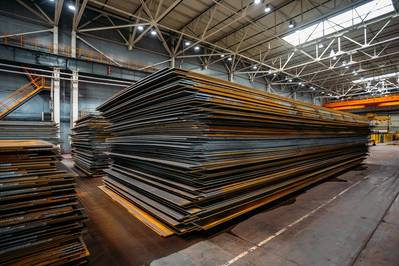
Centre Moves to Integrate Ship-Recycled Steel into Mainstream Manufacturing
NEW DELHI — In a major policy push to advance circular economy practices and strengthen domestic industrial supply chains, the Union government has initiated a comprehensive review to facilitate the broader adoption of ship-recycled steel across India’s manufacturing and infrastructure sectors.

The strategic intervention was spearheaded during a high-level joint ministerial review meeting co-chaired by Union Minister of Steel and Heavy Industries H.D. Kumaraswamy and Union Minister of Ports, Shipping and Waterways Sarbananda Sonowal. The exercise brought together regulators, standardisation bodies, maritime authorities, and industry stakeholders to re-evaluate the existing regulatory framework governing secondary steel and establish safe, high-value industrial applications for metal recovered from decommissioned maritime vessels.
Unlocking Secondary Steel Value
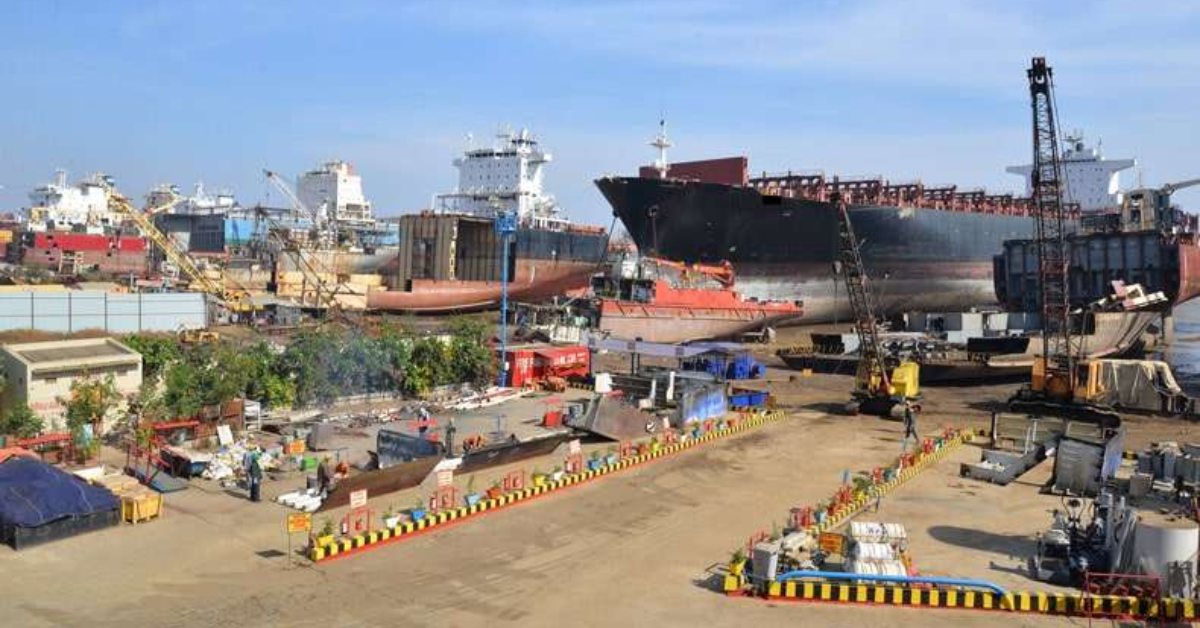
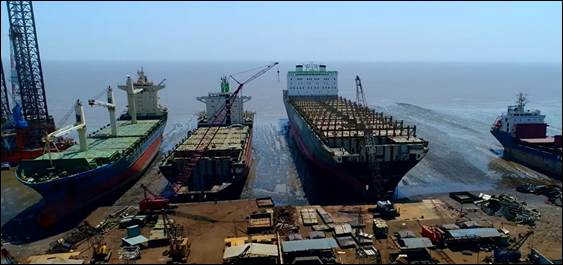
India is home to Alang in Gujarat—the world’s single largest shipbreaking hub—handling nearly 30% of global dismantled vessel tonnage annually. While ship demolition generates millions of tonnes of high-grade scrap and re-rollable structural plates, historically much of this output has been restricted to basic re-rolling mills or secondary rebar production due to rigid standardization norms and quality classification bottlenecks.
The inter-ministerial deliberations were attended by key institutions, including:
-
Department of Science and Technology (DST)
-
Bureau of Indian Standards (BIS)
-
Gujarat Maritime Board (GMB)
-
Ship Recycling Industries Association (SRIA)
According to an official statement issued following the meeting, discussions focused primarily on:
-
Revising Testing & Quality Protocols: Enabling Bureau of Indian Standards (BIS) certifications that match modern metallurgy criteria, allowing recycled ship plates to enter engineering fabrication, capital goods, and pre-engineered building applications.
-
Expanding End-Use Sectors: Transitioning ship scrap from unorganised construction uses toward high-value manufacturing segments.
-
Enhancing Value Realisation: Boosting commercial margins for local recyclers while offering competitive input costs to downstream manufacturing units facing volatile primary iron ore and coking coal prices.
Bolstering Green Steel and Climate Goals
The move aligns directly with the National Steel Policy’s target of achieving 300 million tonnes of annual crude steel capacity, while concurrently honouring India’s decarbonisation commitments under its nationally determined contributions (NDCs).
Primary blast-furnace steel manufacturing remains one of the heaviest industrial emitters of greenhouse gases, consuming significant volumes of imported coking coal. In contrast, secondary steel production through Electric Arc Furnaces (EAF) and Induction Furnaces (IF) using scrap emits up to 60–70% less carbon dioxide per tonne.
Industry experts point out that marine steel—originally manufactured under stringent international standards to withstand extreme corrosive marine environments and intense mechanical stress—possesses superior metallurgical properties compared to standard structural scrap. Streamlining the grading, testing, and certification of this steel allows domestic manufacturers to substitute virgin metal with low-carbon alternatives without compromising tensile strength or structural integrity.
Reinforcing India’s Global Recycling Leadership
Beyond domestic industrial self-reliance, the government’s review reinforces India’s stature as the pre-eminent sustainable ship recycling destination globally.
Over the past decade, Indian yards—especially across the Alang-Sosiya belt—have undertaken extensive capital upgrades to comply with the International Maritime Organization’s (IMO) Hong Kong Convention (HKC) for the Safe and Environmentally Sound Recycling of Ships. Nearly 90% of Alang’s active yards now possess Statement of Compliance (SoC) certifications under the HKC.
By integrating the output of these compliant facilities directly into certified industrial supply lines, policymakers aim to close the circular loop. The strategy ensures that vessels dismantled under strict environmental and worker-safety standards directly supply the raw material needed for nation-building infrastructure, bridging sustainable maritime management with competitive domestic manufacturing.
The Road Ahead
Senior officials indicated that working committees involving DST, BIS, and metallurgy researchers have been tasked with formulating uniform standard operating procedures (SOPs) and testing benchmarks.
Once formalised, these standards will delineate specific industrial categories where ship-recycled steel plates and billets can be deployed without secondary smelting, alongside streamlined certification for secondary billets destined for structural components.
By bridging regulatory requirements between maritime recycling yards and domestic industrial users, the Centre seeks to lower manufacturing input costs, conserve primary natural resources, and position India at the forefront of the global transition toward circular, green manufacturing.

Author: shipping inbox
shipping and maritime related web portal