



New Maritime Law Paves Way for Safer Ship Recycling in Pakistan
Pakistan has taken a significant step toward modernising its ship recycling sector by approving new maritime legislation aimed at bringing the country’s shipbreaking industry into compliance with international environmental and safety standards. The move is expected to strengthen the ship recycling hub at Gadani and improve Pakistan’s standing in the global maritime industry.

The Senate of Pakistan has passed the Environmentally Sound Management of Inventory of Hazardous Material on Ships Bill, 2026, following its earlier approval by the National Assembly. The legislation is designed to align Pakistan’s ship recycling framework with the provisions of the Hong Kong International Convention for the Safe and Environmentally Sound Recycling of Ships, 2009, a global treaty developed by the International Maritime Organization (IMO) to ensure safer and more environmentally responsible ship dismantling practices.
The new law focuses on the management of hazardous materials carried on board ships throughout their operational life and prior to recycling. It introduces stricter requirements for ship owners, operators and recycling facilities, ensuring that vessels destined for demolition are properly assessed and documented before entering Pakistani recycling yards.
Speaking on the legislation, Federal Minister for Maritime Affairs Muhammad Junaid Anwar Chaudhry said the law would establish a comprehensive regulatory framework governing hazardous materials on ships. According to the minister, vessels seeking recycling in Pakistan will now be required to undergo mandatory inspections, surveys and certification procedures to verify their Inventory of Hazardous Materials (IHM).
The inventory is a critical document under the Hong Kong Convention and identifies potentially dangerous substances present on a ship, including asbestos, heavy metals, ozone-depleting substances and other toxic materials that could pose risks to workers and the environment during dismantling operations.
Chaudhry emphasized that the legislation provides authorities with stronger enforcement powers. Ships found violating the regulations could face seizure, detention or even removal from Pakistani waters. The government believes these measures will help prevent unsafe recycling practices and ensure compliance with internationally accepted environmental and occupational safety standards.
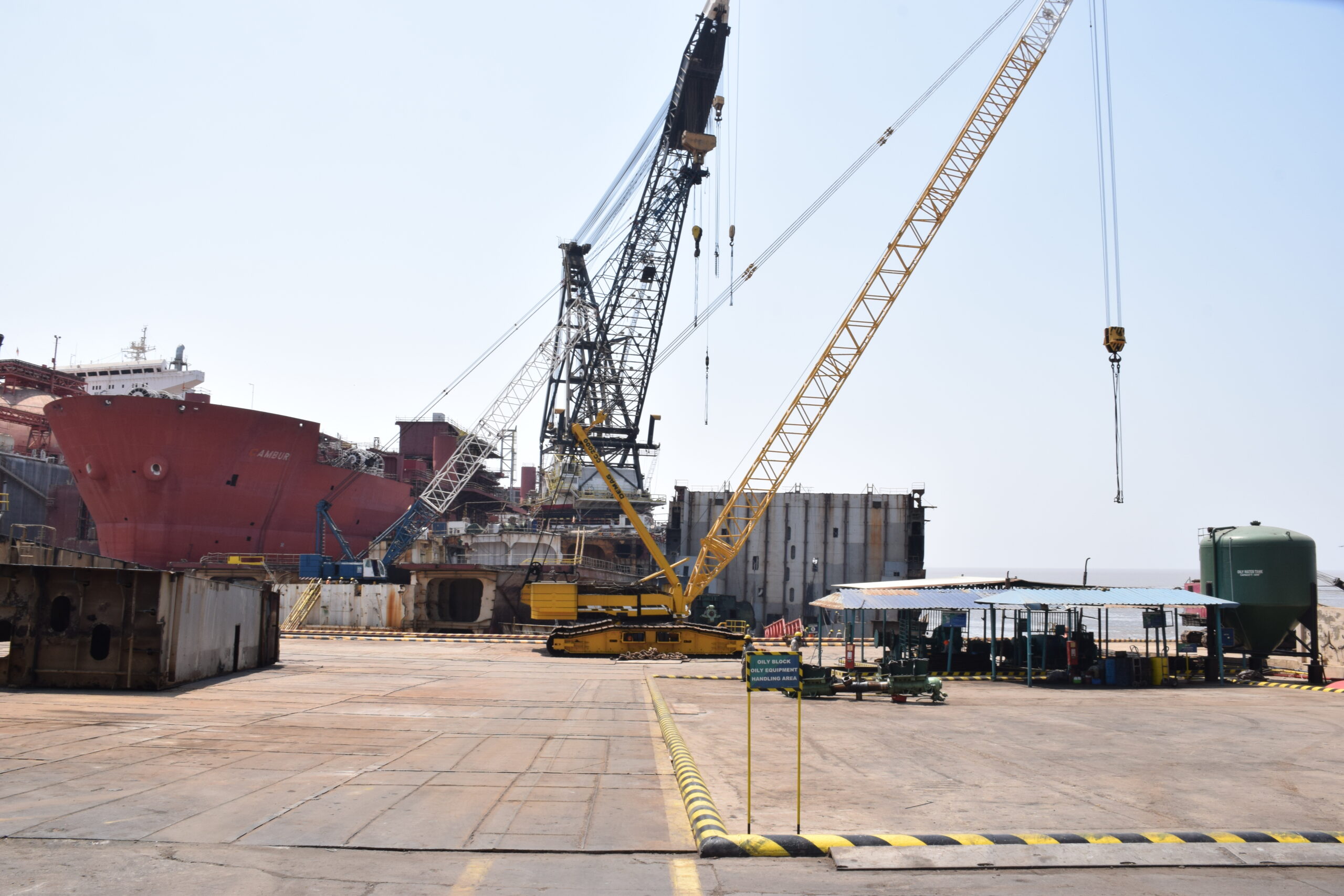
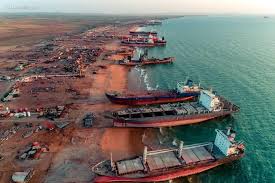
Industry observers view the legislation as a major development for Gadani, Pakistan’s principal shipbreaking centre located along the coast of Balochistan. Once considered one of the world’s busiest ship recycling destinations, Gadani has faced increasing pressure in recent years to upgrade its facilities and improve safety conditions in line with evolving global regulations.
The ship recycling industry plays an important role in Pakistan’s economy by supplying recycled steel to domestic industries, creating employment opportunities and generating revenue through maritime activities. However, concerns over workplace accidents, hazardous waste management and environmental pollution have frequently drawn criticism from international organizations and environmental groups.
By adopting legislation consistent with the Hong Kong Convention, Pakistan aims to reassure ship owners and international stakeholders that vessels can be recycled in the country under safer and more environmentally responsible conditions. The reforms are also expected to improve worker protection by ensuring greater oversight of hazardous substances and strengthening safety procedures within shipbreaking yards.
The development comes at a time when several South Asian ship recycling nations are taking steps to upgrade their regulatory frameworks. Neighboring countries have also introduced measures to comply with international standards as the Hong Kong Convention moves toward broader global implementation.
Maritime experts believe that compliance with the convention could help Pakistan attract a larger share of the international ship recycling market in the future. As ship owners increasingly seek recycling facilities that meet global environmental, social and governance (ESG) requirements, countries with internationally compliant yards are expected to gain a competitive advantage.
The passage of the new legislation signals Pakistan’s commitment to balancing economic benefits from ship recycling with environmental responsibility and worker welfare. With mandatory inspections, certification requirements and stricter enforcement mechanisms now becoming part of the legal framework, the country is positioning its shipbreaking industry for a more sustainable and internationally recognised future.
The successful implementation of the law, however, will depend on effective enforcement, infrastructure upgrades and continued cooperation between government authorities, ship recyclers and maritime stakeholders. If these objectives are achieved, Gadani could emerge as a stronger and more competitive player in the global ship recycling industry while ensuring higher standards of safety and environmental protection.

Author: shipping inbox
shipping and maritime related web portal