




Maritime Sector Shows Resilience as Global Trade Realigns Under Tariff Pressures: BEST OASIS
As the global economy grapples with a fresh wave of Trump-era trade disruptions, protectionist tariffs, and geopolitical realignments, the international shipping industry is showcasing remarkable resilience. Far from sinking under the pressure of shifting trade lanes, maritime commerce is thriving, driven by rapid adaptation, structural overhauls, and a major policy-driven transformation in the ship recycling sector.

According to the latest industry data from maritime intelligence firm Best Oasis Limited, the global shipping market has maintained a steady footing despite an increasingly complex geopolitical environment. While traditional trade routes face adjustments due to tariff threats, the underlying movement of global commodities and the life-cycle management of vessels remain robust.
India Steps Up as a Green Recycling Hub
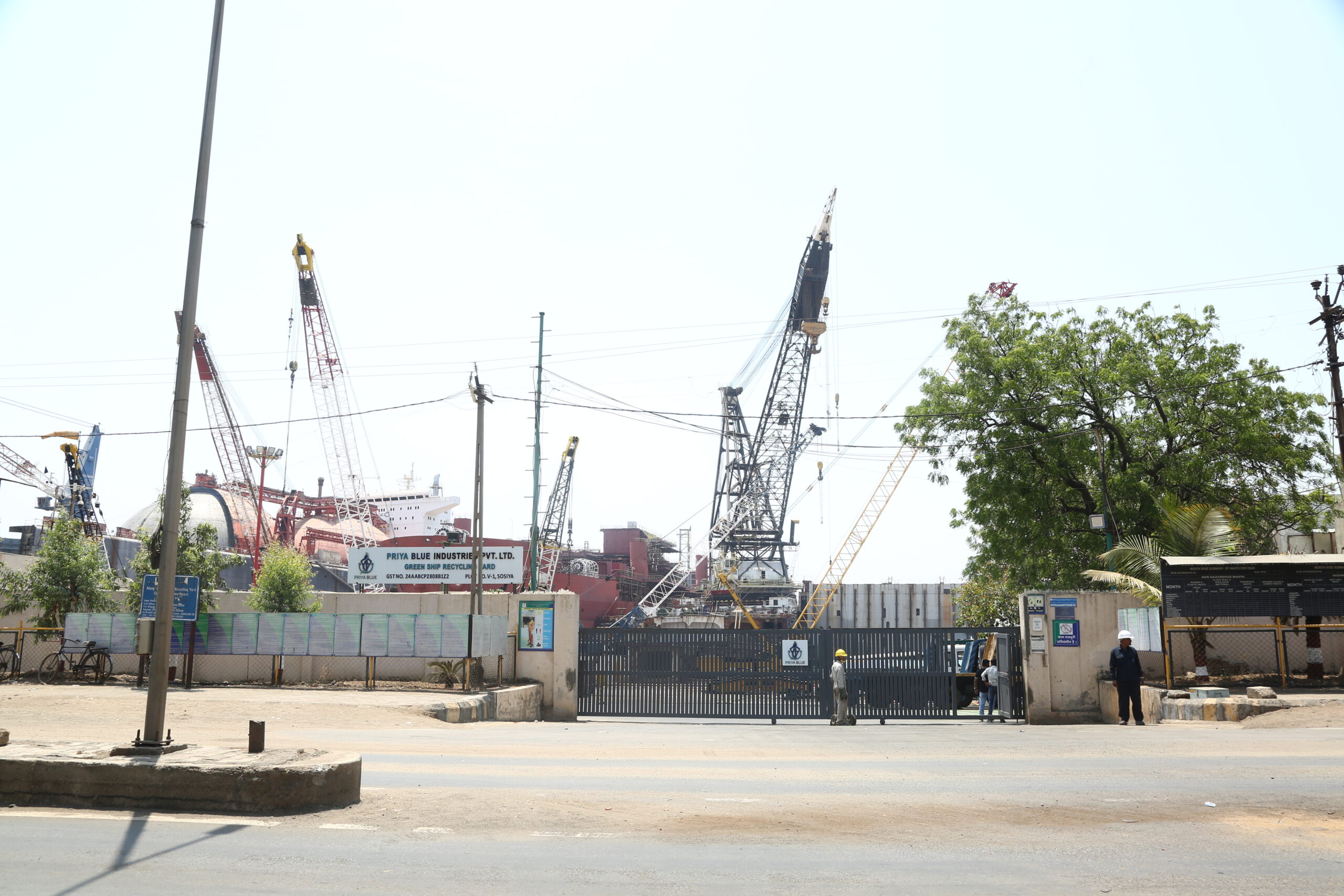
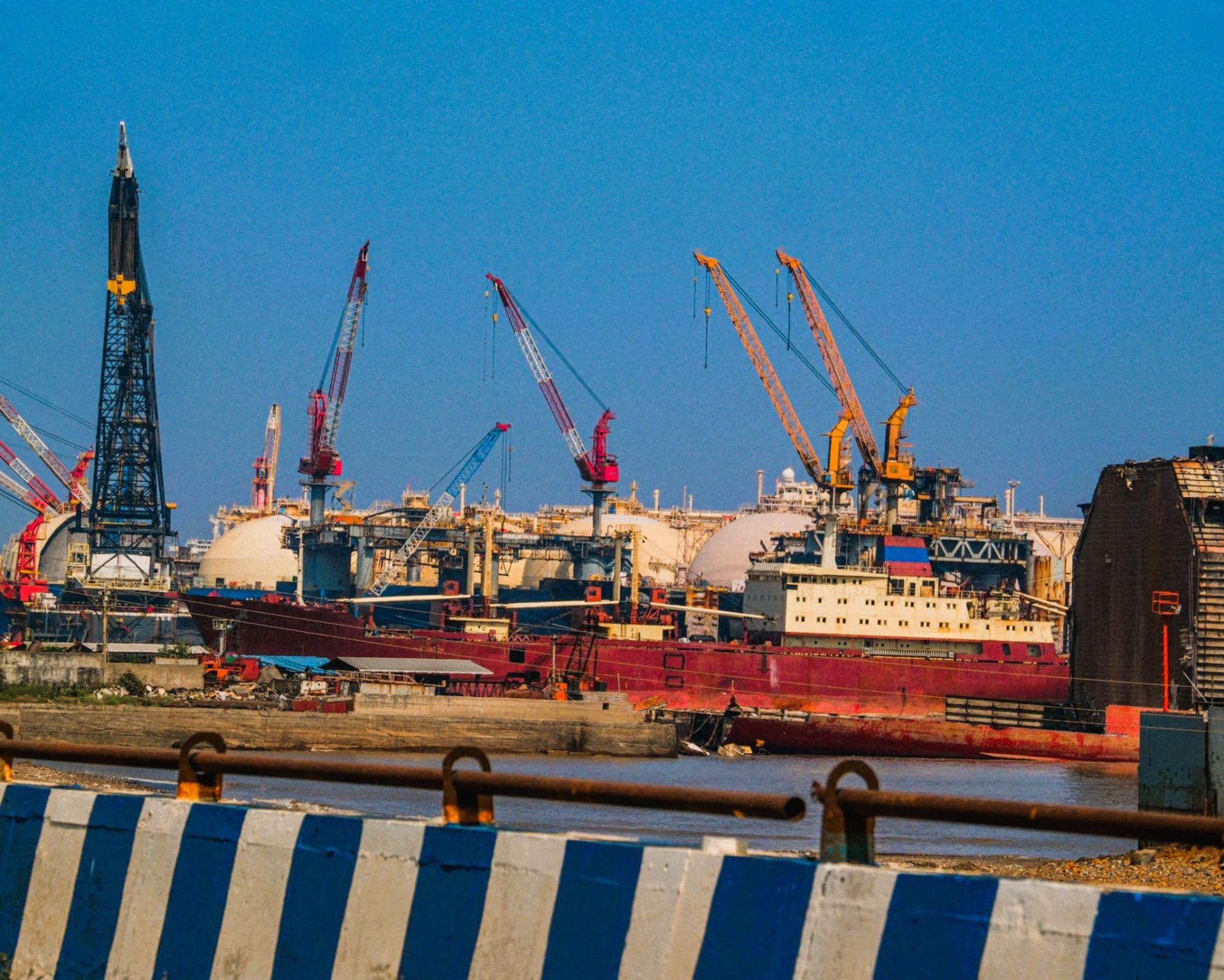
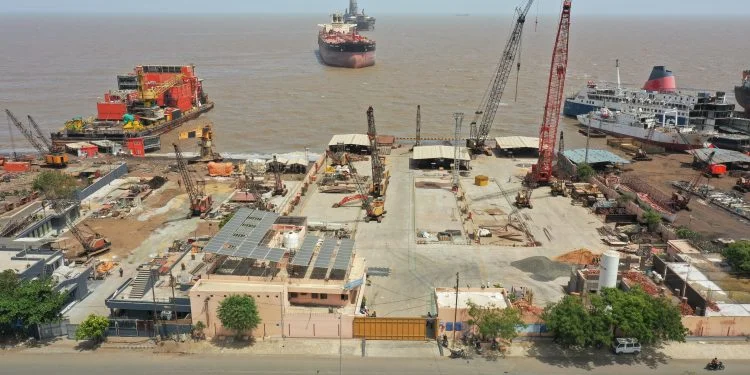
At the forefront of this maritime resilience is India. The Indian ship recycling market has held steady, characterized by firm buyer appetite and a continuous influx of vessels arriving at the world’s largest shipbreaking yard in Alang. This steady flow includes a notable share of “dark fleet” tonnage—vessels operating outside mainstream insurance and regulatory frameworks, often used to bypass international sanctions.
While conventional recyclers face stiff competition from dark fleet tonnage acquired at cheaper rates, India is rapidly pivoting toward long-term institutional strength. In a landmark development for the sector, the Government of India issued its first-ever ship recycling credit note under its newly launched scheme. This operational milestone is expected to significantly boost India’s global competitiveness as a premier, sustainable recycling destination.
Concurrently, the domestic steel trade is looking to tighten recycling payment terms amid improved steel availability, signaling a highly active and responsive local market structure.
South Asian Neighbors Navigate Policy and Holidays
Across the region, India’s maritime neighbors are similarly adapting to the evolving landscape:
-
Bangladesh: Following the recent Eid holidays, yards in Chittagong have resumed operations. While current activity remains subdued with softer rates, momentum is expected to build quickly as operations settle back into their regular rhythm. Notable transactions, such as the sale of the container vessel Sunny Palm and the reefer Sanwa Fontaine (secured at $450 per LDT), underscore ongoing activity.
-
Pakistan: Pakistan has made a major regulatory leap by passing comprehensive ship recycling legislation that advances the mandates of the Hong Kong Convention. The law introduces mandatory hazardous-material surveys and strict certifications for arriving vessels. This legislative shift is viewed as a vital step for the long-term, environmentally secure growth of the country’s recycling sector.
European and Mediterranean Outlook
Further west, the Turkish maritime market reflects the broader anxieties of the current era, clouded by internal politics, regional tensions, and the ongoing depreciation of the Turkish Lira.
However, hope floats on the horizon. Recent visits and inspections at Turkish yards by several major global container operators have raised expectations for large-scale recycling projects. This comes at a time when the broader maritime community’s attention has shifted to Greece for the prestigious Posidonia event—a critical global platform for commercial discussions and strategic insights that will shape shipping policies in the coming months.
Steady Financial Anchors
Despite the geopolitical turbulent waters, scrap and recycling prices have anchored firmly. In India, Bangladesh, and Pakistan, Heavy Melting Steel (HMS 1&2) prices held firm at USD 400 to 405 per ton. Container recycling rates continue to lead the chart, fetching up to USD 460 per LDT in Bangladesh and Pakistan, and USD 420 per LDT in India.
As the shipping industry navigates the volatile waters of altered trade policies and shifting global alliances, its ability to rewrite the rules of compliance, recycling, and fleet management proves that global commerce remains unmoored by political headwinds.

Author: shipping inbox
shipping and maritime related web portal