



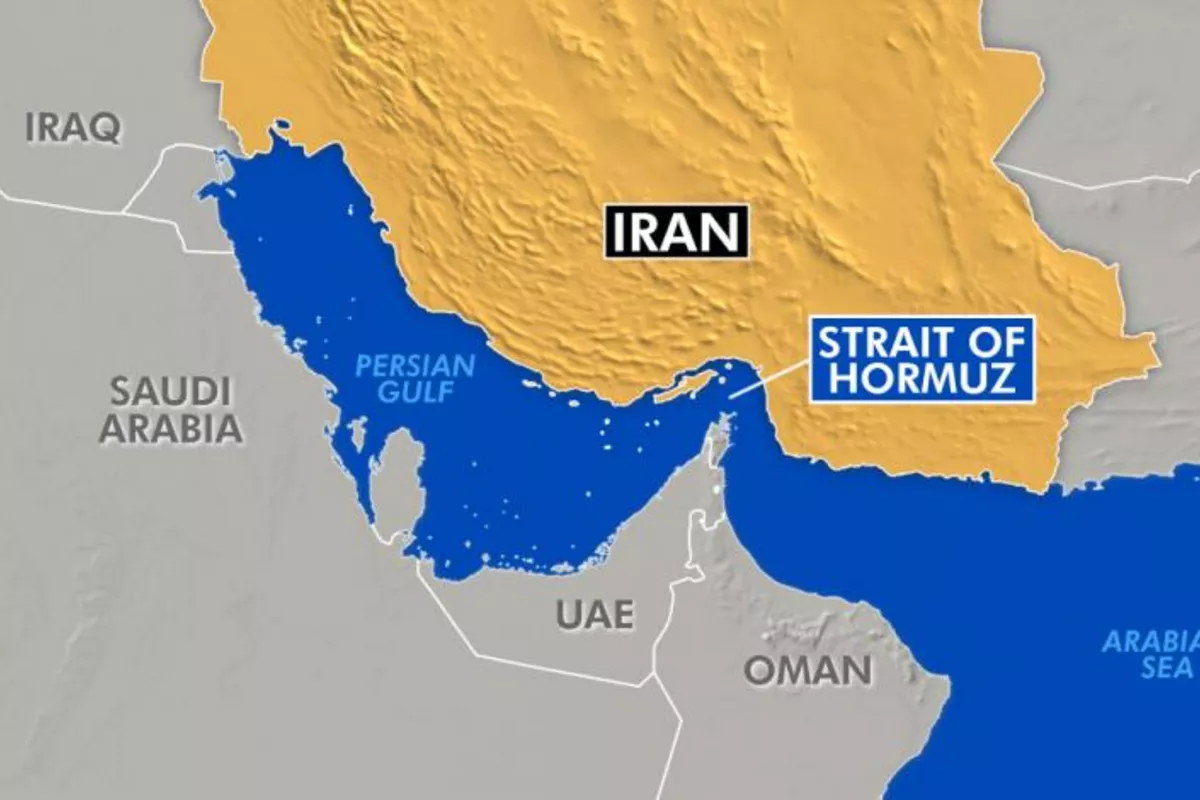
A leading global tanker operator that continued sailing through the conflict-hit Strait of Hormuz has said that U.S. President Donald Trump’s policies have ultimately been beneficial for the shipping industry, despite creating significant geopolitical uncertainty and volatility in global trade routes.

Speaking on the sidelines of the Posidonia shipping exhibition in Athens, the head of a major tanker company described the shipping market as one of the biggest beneficiaries of the disruptions that have reshaped global energy and commodity flows over the past year. According to industry executives, shifting trade patterns, sanctions, tariffs and geopolitical tensions have lengthened voyage distances and increased demand for ships, particularly tankers.
The comments come at a time when the global maritime industry is grappling with the fallout from the prolonged crisis in the Strait of Hormuz, one of the world’s most critical energy chokepoints. The waterway, through which a significant share of global oil shipments normally passes, has witnessed severe disruptions following escalating tensions involving the United States and Iran.
Industry leaders noted that while the crisis has raised operating costs and insurance premiums, it has also created additional demand for vessels as cargoes are rerouted and ships spend more time completing voyages. Shipping companies generally benefit when trade routes become longer because more vessels are required to transport the same volume of goods.
The executive said that the Trump administration’s approach toward sanctions, tariffs and energy security has led to substantial changes in global trading patterns. As a result, cargoes that once moved along shorter and more predictable routes are increasingly being redirected, boosting freight earnings for shipowners.
The shipping sector has experienced extraordinary volatility since the closure and subsequent partial reopening of the Strait of Hormuz. Maritime intelligence reports indicate that vessel movements through the region remain well below normal levels, with many operators remaining cautious due to security concerns.
Despite these challenges, some shipowners have continued operating in the region, arguing that global energy supplies depend on maintaining maritime trade through strategic waterways. Industry representatives have repeatedly called for clearer international guidelines and security assurances to restore normal commercial shipping activity.
The crisis has also affected India’s maritime interests. The Indian government recently confirmed that several Indian-flagged commercial vessels were stranded in the Hormuz region amid escalating tensions and launched efforts to ensure their safe movement. At the same time, India’s shipping services to destinations east of Hormuz and in the Red Sea have reportedly increased significantly as operators adapt to changing market conditions.
Analysts say the current situation highlights how geopolitical conflicts can simultaneously create risks and opportunities for the shipping industry. While shipowners face higher insurance costs, crew safety concerns and operational uncertainties, strong freight markets have helped offset many of these challenges.
Looking ahead, industry leaders believe shipping demand will remain resilient as long as global trade continues to adjust to evolving geopolitical realities. However, they cautioned that a lasting recovery in maritime traffic through the Strait of Hormuz will depend on greater regional stability and internationally accepted security arrangements.
For now, many shipowners appear prepared to navigate both the risks and rewards created by one of the most turbulent periods in global shipping in recent years, with some executives arguing that the disruptions linked to Trump-era policies have unexpectedly strengthened freight markets and ship demand worldwide.

Author: shipping inbox
shipping and maritime related web portal