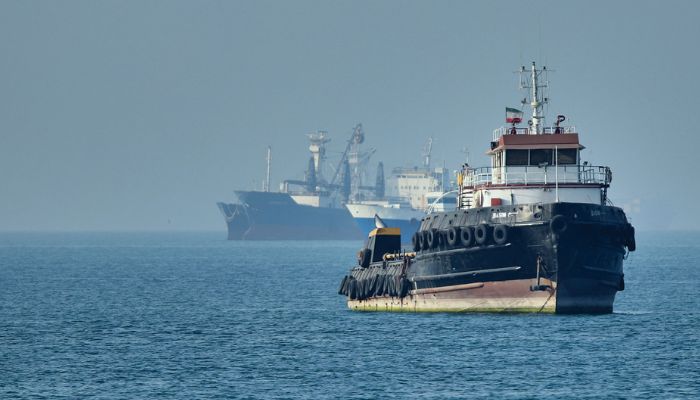





Arabian Sea to Global Markets: Gujarat’s Fishing Industry Evolves
Gujarat’s vast coastline, stretching over 1,600 kilometres along the Arabian Sea, is witnessing a major transformation in its fishing industry as traditional practices steadily give way to technology-driven, export-oriented and sustainable operations. Once dominated by small wooden boats and local fish markets, the state’s fishing trade is now emerging as a modern blue economy powerhouse with advanced harbours, cold-chain systems and deep-sea fishing initiatives reshaping livelihoods across coastal districts.

The coastal belt of Veraval, Porbandar, Mangrol, Okha and Jafrabad remains at the heart of Gujarat’s marine economy. Veraval, in particular, has evolved into one of India’s largest seafood processing and export hubs. The harbour handles thousands of mechanised boats and supports an extensive network of ice factories, processing plants and export houses that supply seafood to markets in Europe, the Middle East and Southeast Asia.
Industry experts say Gujarat’s fishing trade has entered a “sea change” phase due to rising global demand for seafood, government support for marine exports and increasing adoption of modern technology. GPS-enabled navigation systems, sonar-based fish detection equipment and insulated storage systems have improved catch efficiency while reducing spoilage. The use of digital auction platforms and online supply-chain tracking has also helped fishermen secure better prices for their catch.
The state government and the Centre are pushing for expansion into deep-sea fishing zones to reduce pressure on coastal waters and increase high-value catches such as tuna. Earlier this year, the Union government launched a new access-pass framework for fishing in India’s Exclusive Economic Zone (EEZ) from Veraval. The initiative aims to allow fishermen and cooperatives to legally access offshore marine resources while ensuring the traceability and sustainability standards required by international buyers.
Officials believe the move could significantly raise incomes for fishing communities while strengthening India’s seafood exports. India’s seafood export sector has already crossed Rs 62,000 crore annually, and Gujarat is expected to play a major role in further growth because of its strategic ports and processing infrastructure.
However, the rapid transformation has also brought challenges. Traditional fishermen often struggle to compete with large mechanised trawlers that can venture farther into the sea and remain offshore for longer durations. Environmental concerns are also growing as climate change, rising sea temperatures and erratic weather patterns affect fish availability. Reports of declining fish catch and unusual marine conditions in the Arabian Sea have increased concerns among coastal communities.
Marine conservationists warn that overfishing and unregulated practices could threaten long-term sustainability. Seasonal fishing bans imposed during breeding periods continue to remain controversial among some fishing groups, although experts argue they are necessary to replenish marine stocks. Gujarat had previously extended fishing restrictions in parts of the Arabian Sea to support fish breeding cycles and protect marine biodiversity.
Safety at sea has become another critical issue. The Indian Coast Guard and fisheries authorities have intensified monitoring and rescue operations after multiple incidents involving fishing vessels in recent years. Fishermen are also increasingly being trained in navigation safety, emergency response and weather forecasting.
Despite the challenges, the fishing economy continues to support lakhs of people across Gujarat through boat-building, net manufacturing, seafood processing, transportation and exports. Coastal towns that once relied entirely on traditional fishing are now integrating modern maritime logistics, export businesses and tourism-linked opportunities into their economies.
Experts say Gujarat’s fishing trade reflects the broader transformation of India’s maritime economy — balancing tradition with technology while attempting to ensure sustainability in an increasingly competitive global seafood market. As new policies, investments and infrastructure projects continue to emerge, the state’s fishermen are navigating not just the waters of the Arabian Sea, but also the uncertain tides of a rapidly changing industry.

Author: shipping inbox
shipping and maritime related web portal