



Iranian Commercial Vessel Struck off Qeshm Island in Strait of Hormuz; One Dead
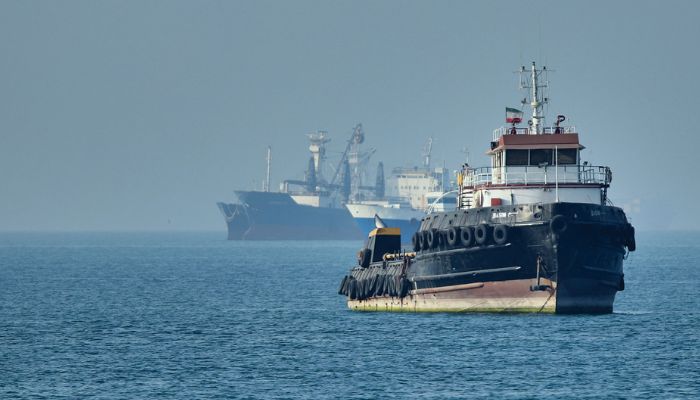
DUBAI: An Iranian commercial cargo vessel was struck by a projectile early Sunday near Qeshm Island in the strategic Strait of Hormuz, leaving one crew member dead and four others wounded, according to Iranian state media and maritime monitoring agencies. The strike, which ignited a severe blaze aboard the ship, has intensified fears of escalating warfare across critical West Asian energy transit corridors.
The incident occurred just off the coast of Qeshm, the largest island in the Persian Gulf, located roughly 22 kilometres south of Iran’s vital southern port city of Bandar Abbas. Iranian state-run news agency IRNA quoted local authorities, including the governor of Qeshm, attributing the strike to a “terrorist enemy.” Emergency response units evacuated the casualties as firefighting operations continued to contain damage aboard the vessel.
Separately, the United Kingdom Maritime Trade Operations (UKMTO), which monitors global shipping lanes, reported receiving distress notifications after a commercial vessel was hit by an unidentified projectile while transiting the strait. UKMTO confirmed that a major fire broke out on board following the impact and that local search-and-rescue teams assisted in evacuating personnel from the burning hull.
The attack came amid heightened military friction in the waterways encircling the Arabian Peninsula. While the United States military did not issue an immediate formal statement regarding the strike, Washington has previously intercepted and struck Iranian-flagged vessels as part of an enforcement campaign and naval blockade targeting Iranian ports. When asked by reporters whether American forces were responsible for striking the cargo ship, former US President Donald Trump remarked, “I don’t want to say,” before boarding Air Force One to return to Washington.
The strike also dealt an immediate blow to fragile regional diplomatic efforts intended to de-escalate maritime hostilities. Tehran had scheduled a high-stakes meeting with neighbouring Gulf foreign ministers on Monday in Muscat, Oman, seeking a coordinated framework to manage traffic moving through the narrow chokepoint. Under Iran’s proposed arrangement, incoming maritime traffic would navigate through designated Iranian territorial waters, while outbound lanes would run partly through Iranian and partly through Omani waters.
Late on Sunday, however, Oman’s Foreign Minister Badr Albusaidi announced that the talks were postponed indefinitely. Writing on social media platform X, Albusaidi stated that the decision was taken “in the interests of consensus,” adding that Muscat remained “committed to fostering dialogue that supports stability and lasting cooperation in our region.” Prior to the postponement, only Baghdad had publicly confirmed its official delegation for the summit.
Commercial maritime traffic across the Strait of Hormuz—through which roughly a fifth of the world’s petroleum transit passes—has dropped significantly in recent months following widespread armed confrontations that erupted on February 28. Shipping firms have faced soaring insurance premiums and acute navigational hazards, compounded by regional spillover, including Houthi maritime operations around the Bab el-Mandeb Strait in the Red Sea.
Hours prior to Sunday’s explosion, Iranian President Masoud Pezeshkian struck a defiant tone, declaring on social media that the Iranian public “cannot be bullied into submission” and that Tehran would not surrender to foreign military pressure. Pezeshkian, who recently met with United Arab Emirates Crown Prince Sheikh Khaled bin Mohamed bin Zayed on the sidelines of the BRICS summit, underscored that dialogue remained possible, but reiterated that Tehran would vigorously defend its territorial sovereignty.
As salvage teams assess the structural damage to the vessel off Qeshm, naval analysts warn that any deliberate targeting of commercial shipping in the strait risks sparking direct retaliation, further jeopardizing international trade through the world’s most sensitive petroleum artery.

Author: shipping inbox
shipping and maritime related web portal