



Beyond European Approval: Does India’s Ship Recycling Industry Need Brussels’ Stamp of Validation?
BHAVNAGAR / NEW DELHI: The recent European vote concerning the inclusion of two Indian ship recycling facilities under the European Union Ship Recycling Regulation (EU SRR) marks the latest chapter in a protracted regulatory standoff. As the global maritime industry closely watches the outcome, the recurring debate prompts a fundamental question: what runs deeper—European skepticism toward South Asian beaching yards, or the relentless quest by Indian shipbreakers and policymakers for Western validation?

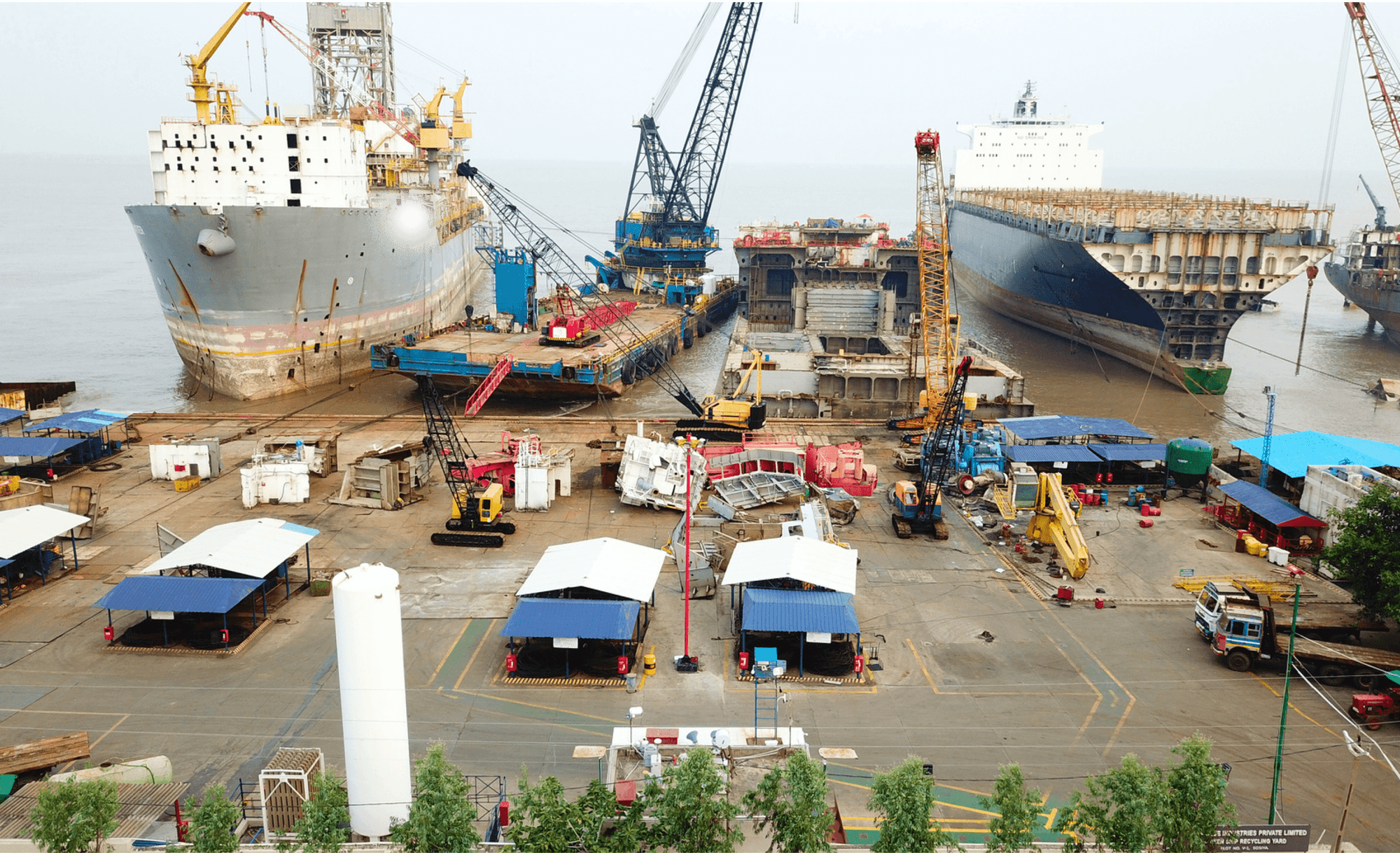
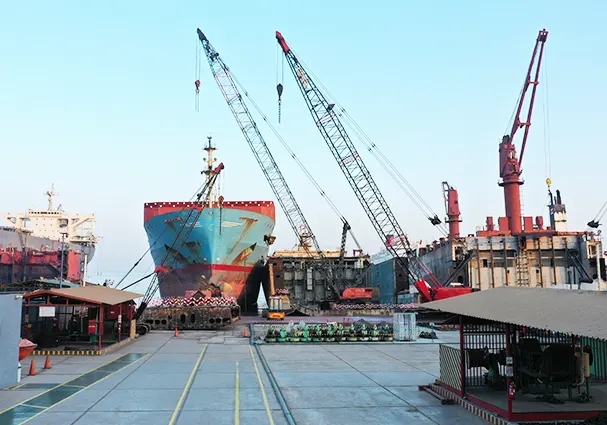
For years, yards along India’s coast, particularly in Alang, Gujarat, have invested heavily in upgrading infrastructure, improving waste management, and obtaining Hong Kong Convention (HKC) statements of compliance to earn a coveted spot on the European List. Yet, the push for EU accreditation has often overshadowed critical questions regarding double standards, commercial realities, and the actual beneficiaries of such inclusion.
The Double Standard of Accreditation
Currently, several ship recycling yards in Türkiye feature on the European List of approved facilities. However, persistent reports regarding occupational accidents and safety lapses at some approved yards raise an uncomfortable question for regulators in Brussels: Does European approval necessarily serve as an indisputable testimony to operational excellence?
Industry observers point out that while Indian facilities face rigorous, often skeptical scrutiny over the beaching method, yards utilizing other methods with documented safety challenges continue to hold EU accreditation. This disparity has fueled frustration among Indian recyclers, who argue that compliance is being judged through a lens of regional bias rather than objective environmental and safety metrics.
Who Truly Benefits?
Beyond the prestige of regulatory clearance lies the core issue of economics. If Indian yards were formally inducted into the EU list, who would reap the primary rewards—European shipowners, Indian recyclers, or the thousands of workers on the ground?
Historically, Indian yards have offered significantly higher scrap prices for end-of-life vessels compared to their Turkish counterparts, largely due to strong domestic demand for rerolled steel and lower operational overheads. Analysts question whether European shipowners would display the same enthusiasm for sending their tonnage to India if Indian recyclers offered the exact same—substantially lower—commercial rates as yards in Türkiye.
For European owners, access to Indian yards under the EU flag represents a lucrative financial advantage: legal compliance combined with higher scrap payouts. Without that price differential, the sudden push for “sustainable” South Asian recycling could quickly lose its appeal.
Redefining True Achievement
For India’s ship recycling sector, which remains one of the largest in the world, tying its self-worth to Brussels’ regulatory approval risks missing the bigger picture. Genuine progress lies in continuous, self-driven improvements in worker safety, environmental protection, and technological modernization—standards upheld for the welfare of domestic workers and ecosystems, rather than to appease foreign auditors.
Ultimately, the true milestone for the Indian shipbreaking industry will not be the day Europe grants its stamp of approval. Rather, it will be the day European shipowners accept the same commercial terms in India as they do in Türkiye. Until then, the industry may do well to ask itself whether there is a greater ambition than endlessly seeking someone else’s validation.

Author: shipping inbox
shipping and maritime related web portal