




Cradle to Grave: How Shipping Giant NYK is Transforming Ship Recycling in South Asia
TOKYO — As international maritime regulations tighten around the end-of-life disposal of commercial vessels, Japanese shipping major Nippon Yusen Kabushiki Kaisha (NYK Line) is pushing forward an ambitious, hands-on initiative to clean up one of the maritime sector’s most scrutinised practices: ship dismantling.

With the International Maritime Organization’s (IMO) Hong Kong International Convention for the Safe and Environmentally Sound Recycling of Ships formally entering into force, attention across global logistics has shifted heavily toward the final leg of a vessel’s 20-to-25-year service life. As shipowners accelerate fleet turnover to meet the IMO’s target of net-zero greenhouse gas emissions by around 2050, the volume of retiring vessels is projected to rise sharply.
A High-Stakes Circular Economy
Far from being mere scrap, decommissioned ocean vessels represent massive storehouses of high-grade industrial materials. More than 90% of a typical commercial vessel’s total weight is recyclable, with thick hull steel plates either re-rolled directly into construction steel or melted down into new products. Utilizing recycled ship steel generates significantly lower greenhouse gas emissions compared to traditional iron ore mining and smelting.
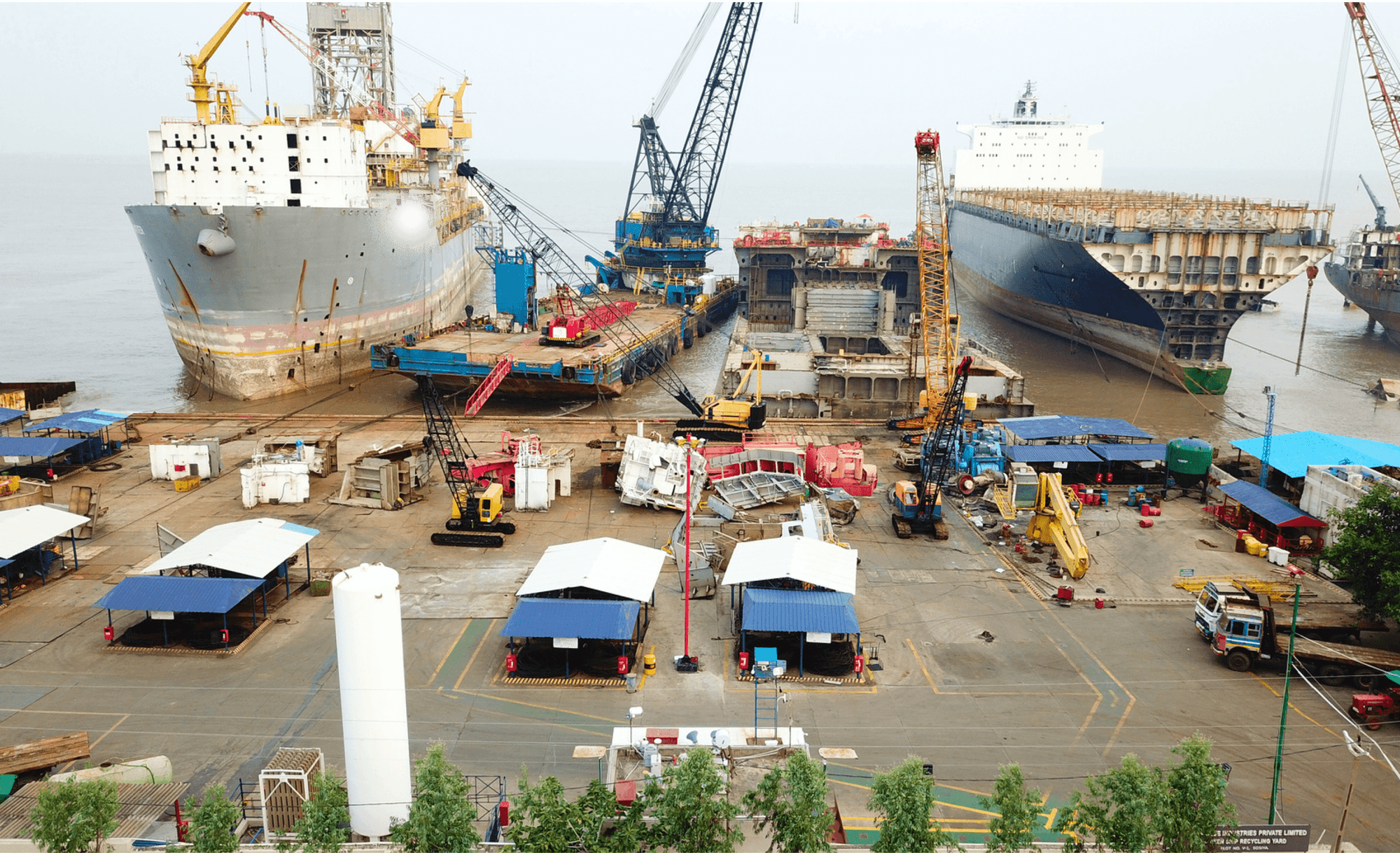
However, the geographic reality of shipbreaking has historically presented severe environmental and humanitarian challenges. Over 80% of global ship dismantling capacity is concentrated in South Asia—principally India, Bangladesh, and Pakistan—where “beaching” at high tide remains the primary method of decommissioning. While economically vital, these yards have historically faced criticism over industrial safety, chemical exposure, and oil discharge into coastal waters.
Auditing Beyond the Benchmark
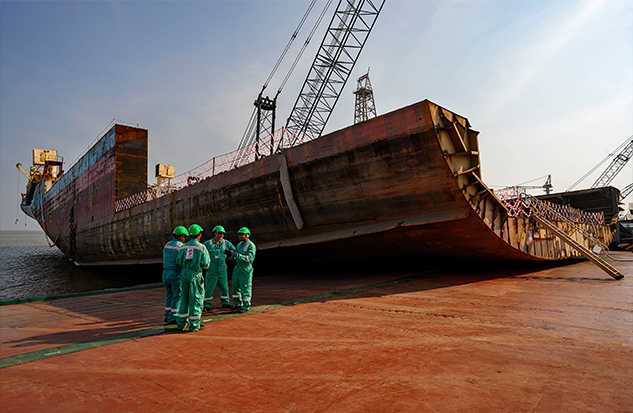
To mitigate these risks, NYK established an internal “approved yard system” whose labor, human rights, and environmental standards exceed baseline convention requirements. Rather than outsourcing oversight to third-party certifiers or relying on periodic audits, the carrier deploys its own maritime professionals and group company supervisors directly to yards for the full duration of a vessel’s dismantling—a process typically spanning six months.
“At NYK, we place the highest priority on communication with yards through full monitoring of the recycling process,” said Yuki Mizoguchi, a marine engineer with NYK’s Decarbonization Group. “While some shipping companies monitor through third parties for limited periods, very few take this full, direct approach. We examine even the smallest details, from hazardous material inventories to ensuring workers have their helmet chin straps securely fastened.”
The carrier’s direct involvement has already yielded operational precedents. In 2023, NYK oversaw the dismantling of the vessel Kamo at Bangladesh’s PHP yard without incident or injury, a milestone that helped demonstrate the feasibility of convention-compliant practices within the country prior to Dhaka’s formal ratification of the pact. A subsequent project, involving the vessel FP Future, was undertaken at an approved facility in India under continuous group supervision.
Responsibility and Market Reality
In maritime finance, ships are sold to yards via competitive bidding, leading some industry observers to question whether limiting sales to strictly vetted, compliant yards puts shipowners at a commercial disadvantage. NYK contends that the economic trade-off is overstated.
“In practice, approved yards have maintained sufficient capacity, and we have not seen any significant impact on prices,” Mizoguchi noted, adding that helping local yards upgrade operations enhances their competitiveness for future international contracts.
As alternative-fuel vessels enter service over the coming decade to replace fossil-fueled tonnage, industry analysts expect shipowners will face growing pressure from cargo owners, lenders, and regulators to verify that retired hulls are handled responsibly. NYK’s operational model demonstrates that direct shipowner oversight can make beaching yards both environmentally sustainable and commercially viable.

Author: shipping inbox
shipping and maritime related web portal