



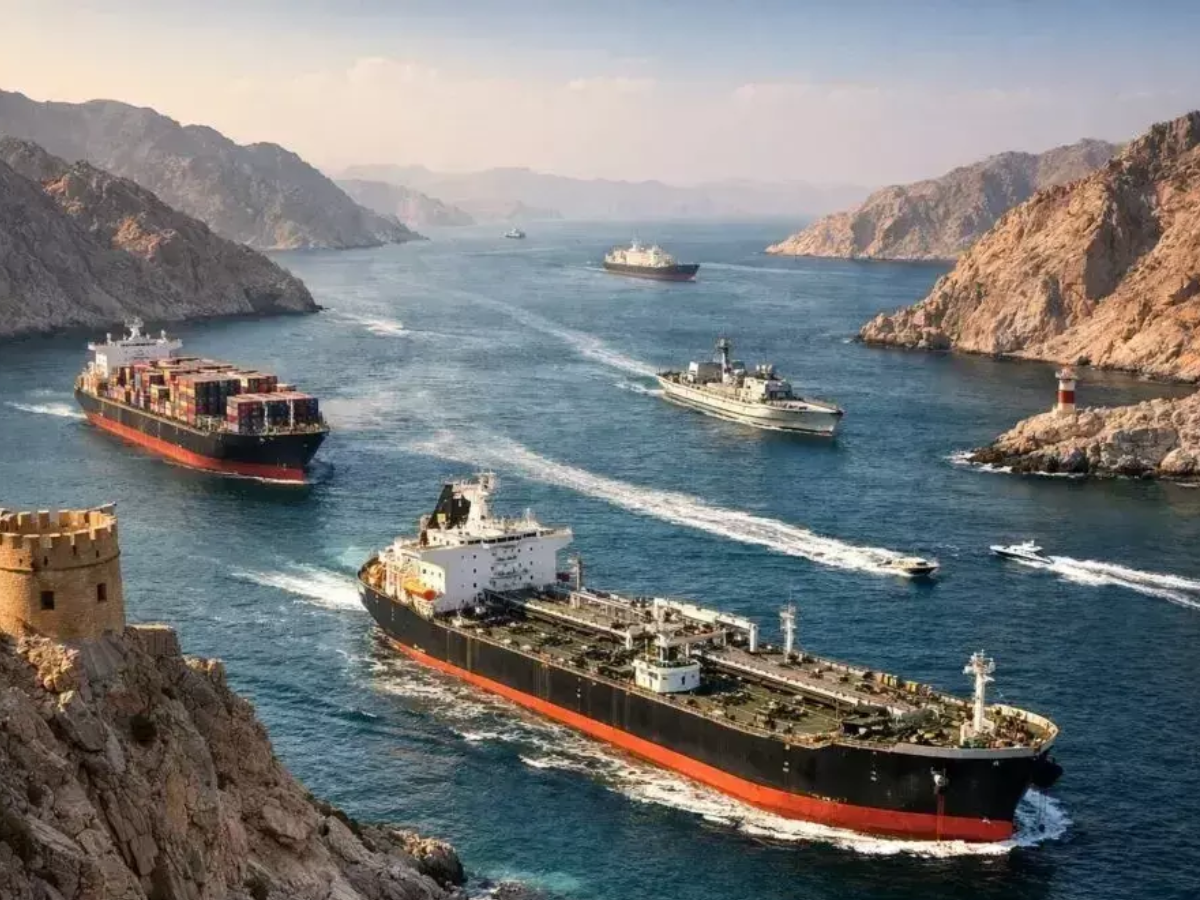
Iran’s Attacks on Commercial Ships Raise Alarm Over Strait of Hormuz Security

Fresh attacks on commercial vessels in the Strait of Hormuz have reignited concerns over the safety of one of the world’s most strategically important maritime chokepoints, with shipping companies, insurers and governments closely monitoring the deteriorating security situation.
Iran has carried out attacks on at least 27 commercial ships operating in and around the Strait of Hormuz during the current crisis, underscoring the growing risks faced by international shipping in the region.
The Strait of Hormuz, located between Iran and Oman, connects the Persian Gulf with the Gulf of Oman and the Arabian Sea. Nearly one-fifth of the world’s oil consumption and a significant share of global liquefied natural gas (LNG) exports pass through this narrow waterway every day, making it one of the world’s most critical maritime trade routes.
The attacks have targeted a wide range of merchant vessels, including crude oil tankers, LNG carriers, chemical tankers and container ships. Several ships have sustained damage from missiles, drones or explosive devices, while others have been boarded or intercepted, disrupting normal shipping operations and forcing operators to reassess voyage plans.
The latest escalation follows renewed military confrontation between Iran and the United States after a fragile ceasefire collapsed. Washington has accused Tehran of threatening freedom of navigation in international waters, while Iran has maintained that its actions are linked to regional security and retaliation against U.S. military operations.
Maritime security analysts say the repeated attacks have created unprecedented uncertainty for commercial shipping.
Several shipowners have delayed sailings or instructed vessels to wait outside the Strait until security conditions improve. Others have opted for enhanced naval escorts or modified routes where possible, although alternatives to Hormuz remain limited for Gulf oil exporters.
Insurance costs have also surged dramatically. War-risk premiums for ships entering the Gulf have risen as underwriters reassess the growing threat posed by missile strikes, drones and potential vessel seizures. The higher insurance costs are expected to translate into increased freight rates and ultimately higher transportation costs for global energy markets.
Industry tracking data indicates that tanker movements through the Strait have slowed considerably in recent days. Some vessels have reportedly switched off their Automatic Identification System (AIS) transmissions while transiting high-risk areas, although such practices can complicate maritime safety and traffic monitoring.
India, which imports a substantial portion of its crude oil from Gulf nations, is closely watching developments. Indian shipping companies and authorities have intensified monitoring of merchant vessels operating in the region after several India-linked ships successfully navigated the Strait amid heightened tensions.
The disruption has implications beyond oil trade. The Strait is also a vital route for LNG exports from Qatar and other Gulf producers. Any prolonged instability could tighten global energy supplies and affect fuel prices across international markets.
Maritime experts note that the attacks illustrate the vulnerability of commercial shipping during periods of geopolitical conflict. While naval patrols by regional and international forces continue to provide some protection, merchant vessels remain exposed to evolving threats ranging from missiles and drones to electronic interference and boarding operations.
Global shipping organizations have urged all parties to respect international maritime law and ensure the safety of civilian vessels navigating international waters. They have also advised ship operators to maintain heightened vigilance, closely follow naval advisories and implement enhanced security procedures while transiting the Gulf.
As diplomatic efforts to de-escalate tensions continue, the Strait of Hormuz remains under intense international scrutiny. With dozens of commercial ships already affected and shipping traffic slowing amid security concerns, the crisis highlights the far-reaching consequences that regional conflicts can have on global trade, energy security and the maritime industry.

Author: shipping inbox
shipping and maritime related web portal