



9 Indian Ships and 198 Seafarers Secure Near Strait of Hormuz
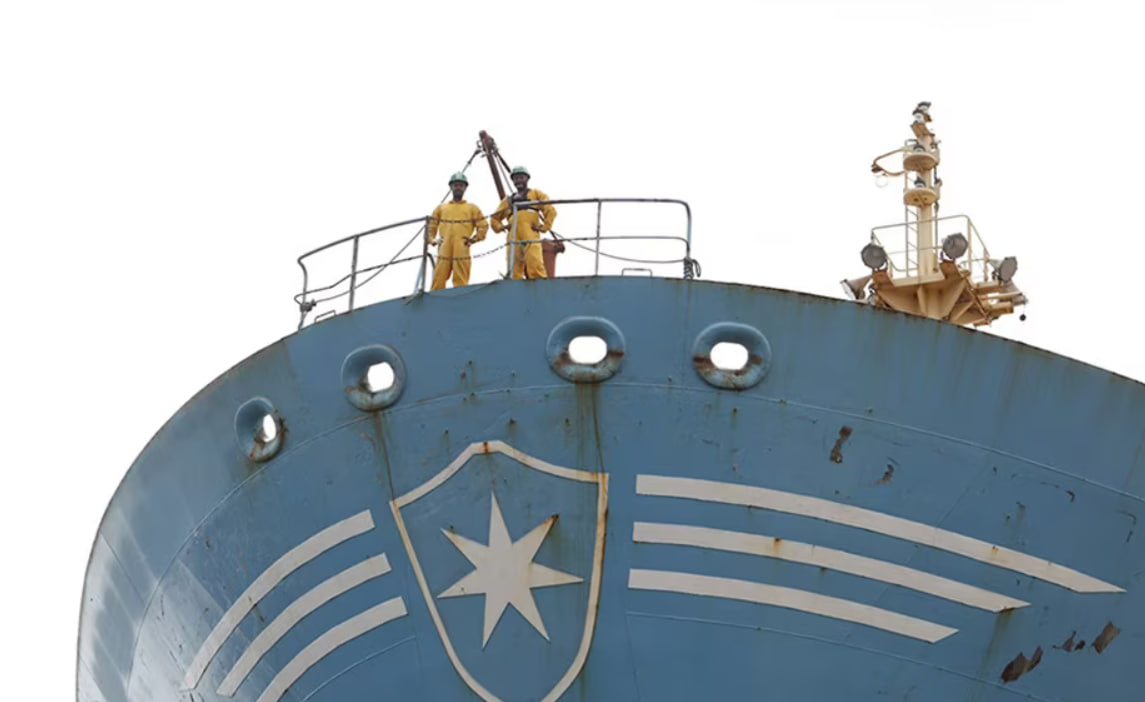
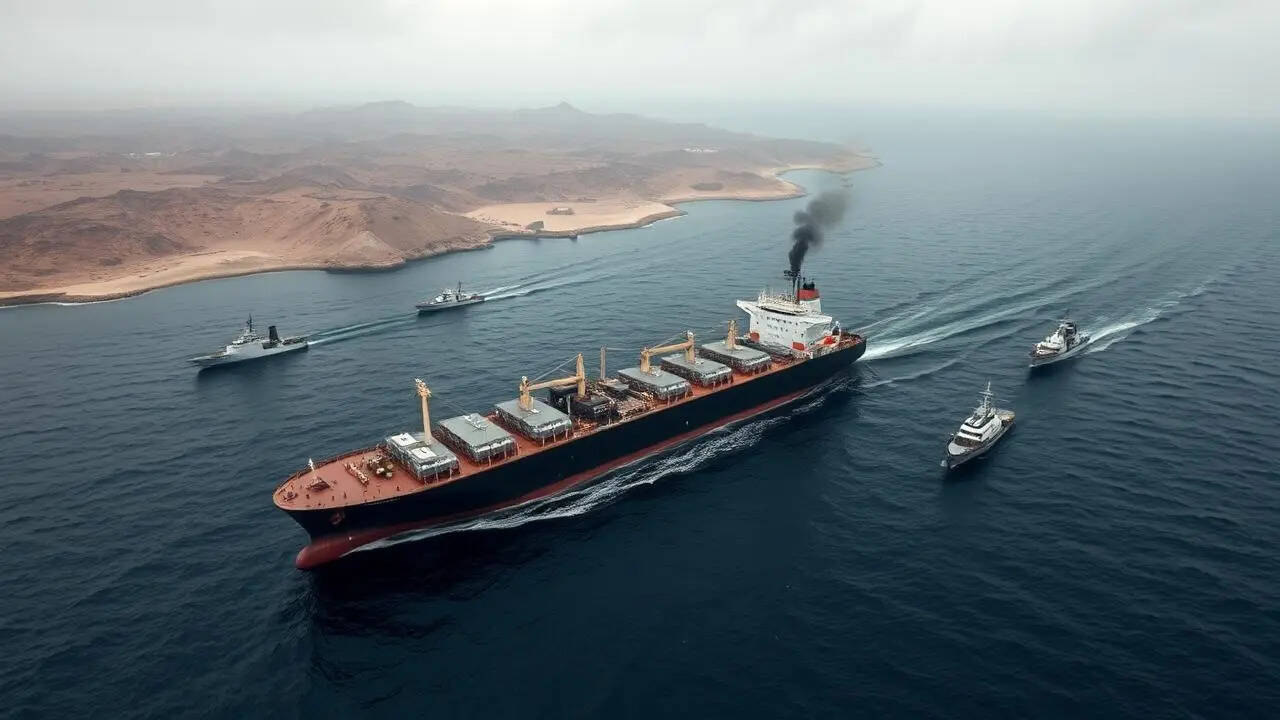
NEW DELHI — Amid intensifying geopolitical tensions across West Asia, the Government of India has confirmed that nine Indian-flagged merchant vessels carrying 198 Indian seafarers remain positioned safely in the Persian Gulf, just west of the highly volatile Strait of Hormuz.

In an official update issued by the Ministry of Ports, Shipping and Waterways, authorities emphasized that all nine vessels are secure, undamaged, and continuing their maritime operations normally. None of the ships have faced targeted attacks or disruptions, offering vital reassurance to the families of the crew members aboard.
The Strait of Hormuz, a narrow choke point between the Gulf of Oman and the Persian Gulf, is widely regarded as the world’s most critical maritime energy artery. Roughly a fifth of the world’s petroleum passes through the strait daily, making its stability central to global economic health and India’s domestic energy security.
Strategic Transit Continues Amid Caution
Despite a highly fragile security environment in the region—fueled by recent escalations—the Ministry revealed that commercial transit through the corridor has not ground to a halt. Since the onset of the current regional conflict on February 28, a total of 50 India-bound cargo ships have successfully transited the Strait of Hormuz.
This maritime traffic includes 18 Indian-flagged vessels and 32 foreign-flagged ships. The incoming cargo primarily consists of essential commodities, including crude oil, liquefied petroleum gas (LPG), liquefied natural gas (LNG), and other bulk dry goods. This steady inflow underscores just how heavily India relies on the corridor to keep its industrial supply chains moving and fuel stations supplied.
Government officials stated that they are maintaining a round-the-clock vigil over the shipping lanes. Maritime safety agencies and naval assets are tracking vessel movements in real-time. Meanwhile, Indian shipping companies are exercising extreme caution, actively conducting rigorous risk assessments before clearing any additional vessels to enter the high-risk zone.
Broader Maritime Infrastructure Boost
While navigating the geopolitical headwinds in West Asia, India’s domestic maritime sector simultaneously marked a historic milestone on the home front. Officials confirmed that Tamil Nadu’s Kamarajar Port has officially become the second major port in the country to achieve an operational draft depth of 18 meters.
A deeper draft allows ports to accommodate larger, deep-hulled cargo ships and mega-vessels, significantly lowering freight costs and improving turnaround times. This infrastructure upgrade is expected to drastically boost India’s cargo handling capacity and strengthen its long-term maritime resilience, arriving at a time when global supply chain reliability is being heavily tested.
For the moment, the primary focus remains on the 198 seafarers executing their duties near the Strait of Hormuz. While the government maintains that the situation is stable and the vessels are safe, the shipping industry remains on high alert, closely watching the diplomatic and military developments unfolding across the Gulf.

Author: shipping inbox
shipping and maritime related web portal