



In a striking and controversial statement, former US President Donald Trump has likened American naval operations against Iran to acts of piracy, saying the United States is profiting from the seizure of ships during the ongoing conflict in the Middle East. The remarks come amid escalating tensions in the 2026 Iran war, where maritime routes and oil shipments have become central battlegrounds.

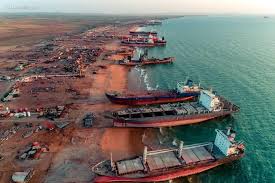
Speaking about recent naval interceptions, Trump said the US Navy had effectively taken control of vessels, cargo and oil linked to Iran, calling it “a very profitable business.” He added that the US was acting “like pirates,” though he insisted the operations were strategic and deliberate rather than unlawful.
The comments have sparked global debate, especially as Washington continues to enforce a sweeping naval blockade on Iranian ports. The blockade, imposed in April 2026 after failed diplomatic talks, allows US forces to intercept vessels suspected of carrying Iranian oil or violating sanctions.
Escalation in the Strait of Hormuz
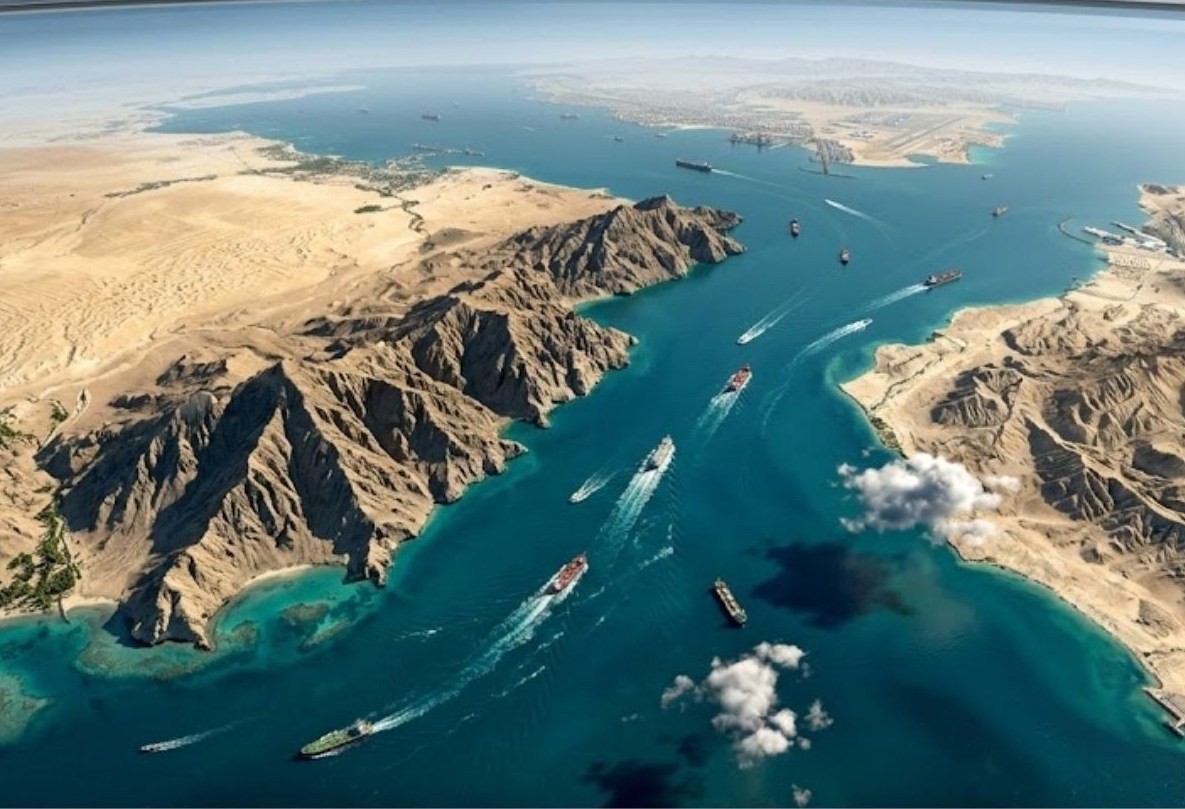
At the heart of the crisis is the Strait of Hormuz, one of the world’s most critical oil transit chokepoints, through which nearly 20% of global energy supplies pass. The US blockade and Iran’s countermeasures have severely disrupted shipping, driving up oil prices and creating widespread uncertainty in global markets.
Iran has responded aggressively, restricting passage through the strait and seizing foreign vessels in retaliation. In recent weeks, Iranian forces captured multiple cargo ships, claiming violations of maritime rules, while accusing the US of provoking instability.
‘Piracy’ accusations and legal debate
Tehran has strongly condemned US actions, labelling the seizure of Iranian-linked tankers as “piracy and armed robbery.” Iranian officials argue that the US blockade lacks legal justification under international law and undermines maritime security norms.
The US, however, maintains that its actions are part of a broader enforcement strategy aimed at disrupting Iran’s oil exports and military logistics. American officials argue that sanctioned vessels can be legally intercepted in international waters, particularly during armed conflict.
The debate has drawn attention from legal experts, with some questioning whether such seizures blur the line between lawful military enforcement and economic coercion at sea.
War at sea intensifies
The naval confrontation is part of a wider conflict that began in late February 2026, when US and allied forces launched strikes on Iranian targets. Iran retaliated with missile and drone attacks across the region, targeting US bases and allied infrastructure.
Since then, the maritime dimension of the war has intensified. The US Navy has intercepted multiple Iranian-linked ships while also conducting mine-clearing operations to secure shipping lanes. Analysts warn that even the perception of danger in the region is enough to deter commercial traffic, prolonging disruptions.
Economic and geopolitical fallout
The conflict has already caused significant economic damage. According to estimates, the US blockade has cost Iran billions in lost oil revenue, while global energy markets face volatility due to restricted supply routes.
Internationally, Trump’s “pirates” remark has intensified criticism of US strategy. Allies and adversaries alike have questioned the long-term implications of such rhetoric, particularly in a conflict that already risks expanding beyond the Middle East.
With no clear resolution in sight, the situation in the Gulf remains volatile. As naval confrontations continue and diplomatic efforts stall, the world watches closely—aware that control of the seas may ultimately determine the outcome of the war.

Author: shipping inbox
shipping and maritime related web portal