



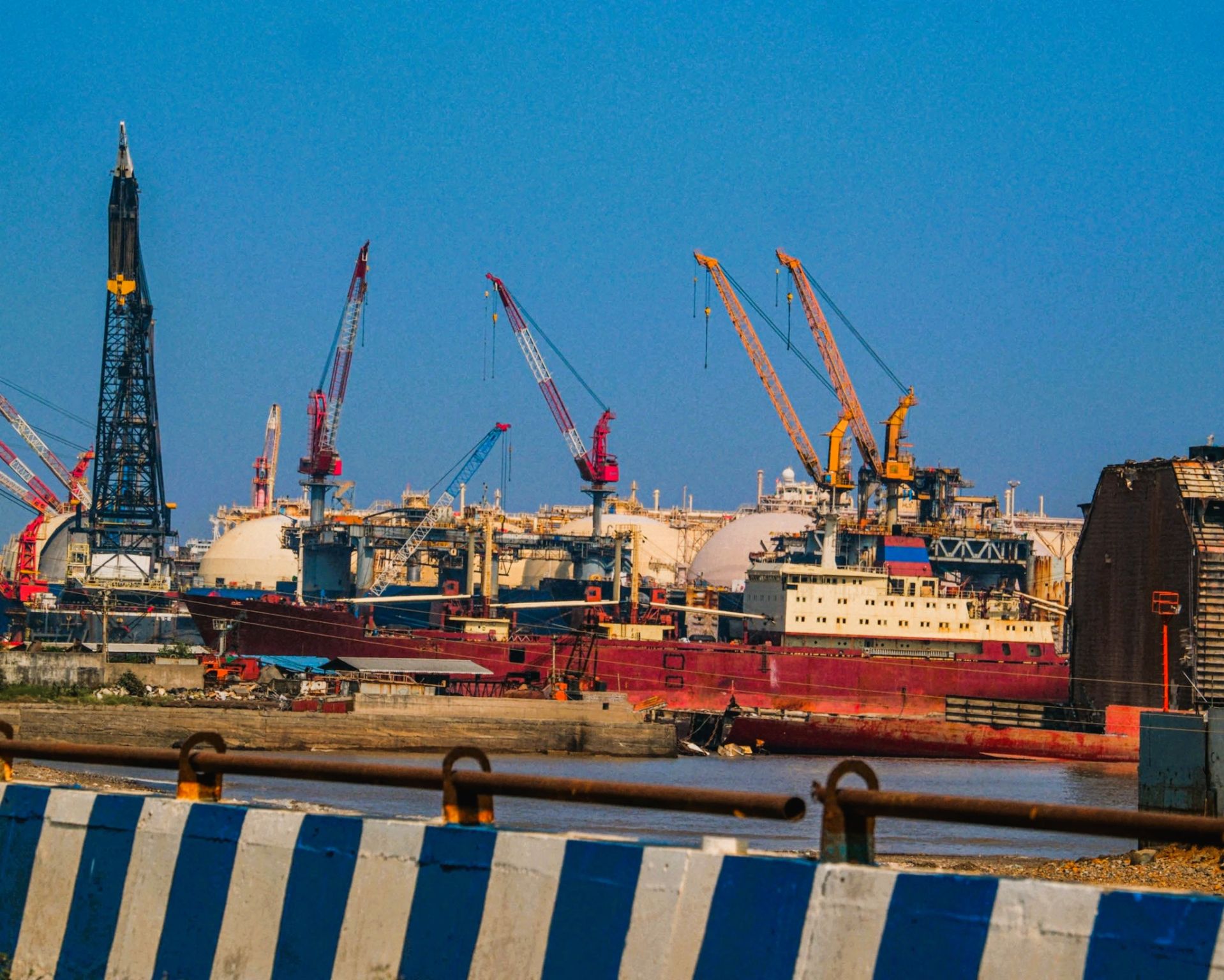
Alang Ship Recycling Yard Sees Decade-Long Decline Amid Global Headwinds
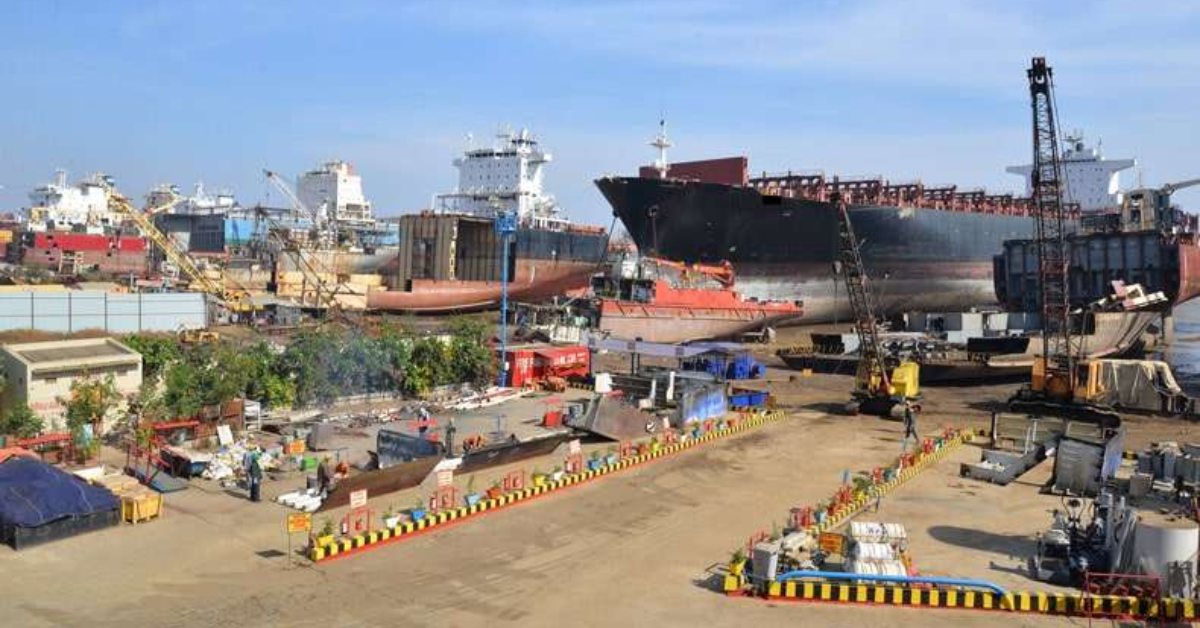
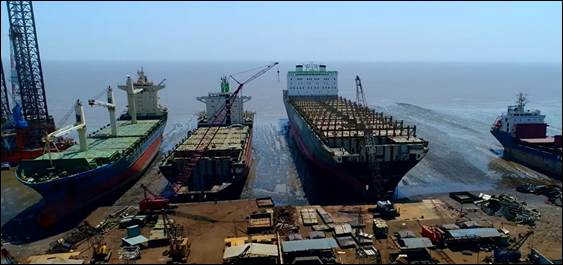
Bhavnagar: The world-renowned Alang Ship Recycling Yard, a cornerstone of South Asia’s dominance in the global ship recycling industry, is witnessing a steady decline in activity over the past decade, reflecting shifting global dynamics, economic pressures, and geopolitical uncertainties.

Once bustling with an average of 25 ships arriving every month for dismantling, Alang today sees fewer than 10 vessels monthly, underscoring a sharp contraction in business. Data from the financial year 2025-26 reveals that only 119 ships reached the yard for recycling, with a combined lightweight tonnage (LDT) of 10,87,447 metric tonnes. Although this marks a marginal improvement over 2024-25, the broader trend over the past decade remains firmly downward.
Industry figures show that in 2016-17, Alang handled 259 ships with a total tonnage of 27,75,954 MT — more than double the current volume. Since then, both the number of vessels and their cumulative tonnage have steadily declined, reflecting a sustained slowdown in the sector.
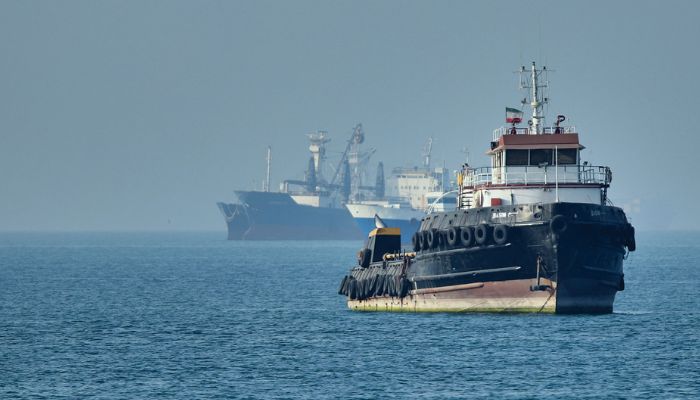
The downturn is not merely a local phenomenon but is closely tied to global developments. The ongoing conflict in the Middle East and disruptions in key maritime routes, particularly around the Strait of Hormuz, have significantly impacted international shipping patterns. Uncertainty over the stability of these routes has made shipowners cautious, delaying decisions to retire older vessels.
Adding to the challenges is the depreciation of the Indian rupee against the US dollar. Since ship खरीद transactions are typically dollar-denominated, a stronger dollar raises acquisition costs for Indian recyclers. This has forced many buyers in Alang to adopt a cautious “wait-and-watch” approach, further dampening activity.
“Due to the war-like situation in the Middle East, the value of the dollar is continuously increasing against the Indian currency. At the same time, the availability of ships in the global market is shrinking,” said Rameshbhai Mendpara, Vice-President of the Ship Recycling Industries Association (India). “Under such circumstances, ship breakers in Alang are finding it increasingly difficult to make viable purchases.”
Another critical factor is the global shortage of end-of-life vessels. In recent years, shipping companies have extended the operational life of their fleets, supported by relatively stable freight markets and efforts to maximise returns on existing assets. This has reduced the supply of ships available for dismantling, intensifying competition among recycling hubs.
As a result, the prices of vessels being sold for scrapping have remained firm, squeezing margins for buyers. For Alang’s ship breakers, this combination of high acquisition costs and uncertain resale values of scrap material has created a challenging business environment.
A closer look at monthly data for 2025-26 highlights the volatility in ship arrivals. While months like September and February saw relatively higher inflows with 15 and 16 ships respectively, others such as May and December recorded as few as four ships each. This inconsistency reflects the unpredictable nature of the current market.
Despite these challenges, Alang continues to maintain its position as a key player in the global ship recycling ecosystem. The yard has undergone significant modernization over the years, with many facilities now complying with international environmental and safety standards, including the Hong Kong International Convention for the Safe and Environmentally Sound Recycling of Ships.
However, industry stakeholders warn that without a stable supply of ships and favourable economic conditions, sustaining operations at previous levels may remain difficult. The sector is also closely watching policy developments, including potential government support measures and regulatory changes that could help revive demand.
Experts believe that long-term prospects for ship recycling remain intact, particularly as aging global fleets will eventually need to be retired. However, in the short term, external factors such as currency fluctuations, geopolitical tensions, and global shipping trends are expected to continue influencing the pace of activity at Alang.
For now, the once-thriving yards of Alang present a quieter picture — a stark contrast to the peak years when dozens of vessels lined up along its coast. Whether this slowdown is a temporary phase or indicative of a structural shift in the global ship recycling industry remains to be seen.

Author: shipping inbox
shipping and maritime related web portal