



Shipping Giant Turns to India for Future Growth and Sustainability
German container shipping giant Hapag-Lloyd has moved to strengthen its presence in India’s rapidly expanding maritime sector by signing a strategic agreement with the Government of India, signalling growing global confidence in the country’s shipping and logistics boom.

The agreement, formalised through three Letters of Intent (LoI), focuses on long-term cooperation across key areas such as ship registration, port infrastructure, and ship recycling. The development comes at a time when India is emerging as one of the fastest-growing maritime markets, driven by rising trade volumes and major investments in port capacity.
At the heart of the deal is a proposal by Hapag-Lloyd to explore reflagging up to four of its vessels under the Indian registry. While still subject to regulatory approvals and internal assessments, the move is seen as a significant step toward boosting India’s shipping tonnage and enhancing its maritime self-reliance.
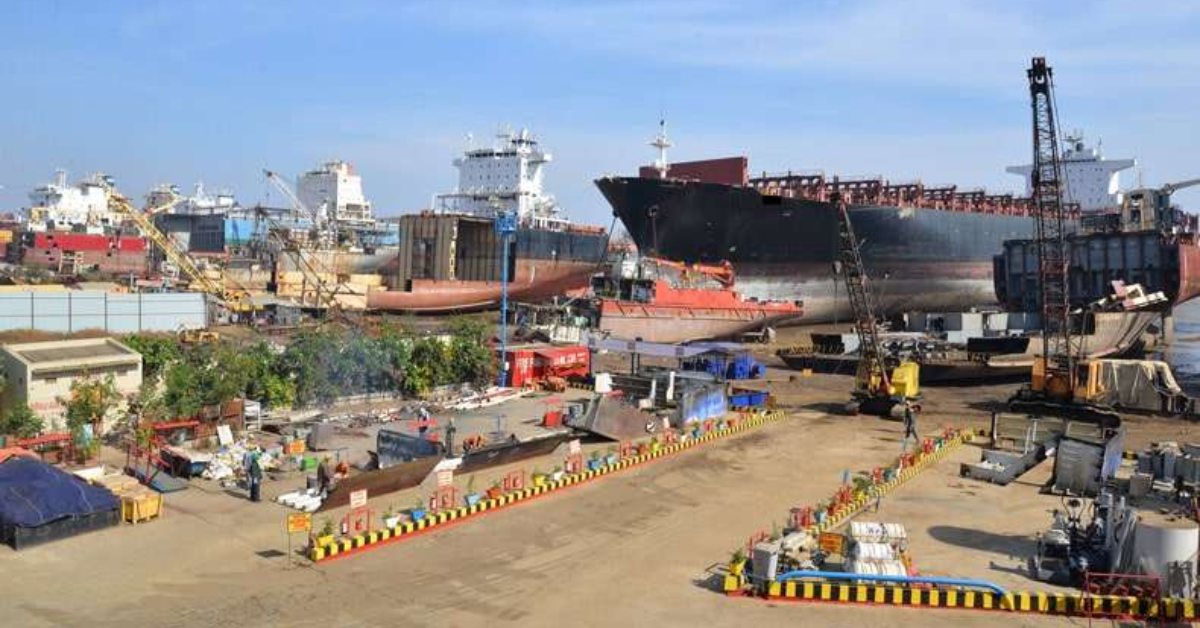
Another major pillar of the agreement is the development of a sustainable ship recycling ecosystem in India. The initiative aims to create facilities aligned with international standards, particularly the EU Ship Recycling Regulation. The proposed ecosystem could eventually handle the recycling of up to 100 vessels, positioning India as a global hub for environmentally responsible ship dismantling.
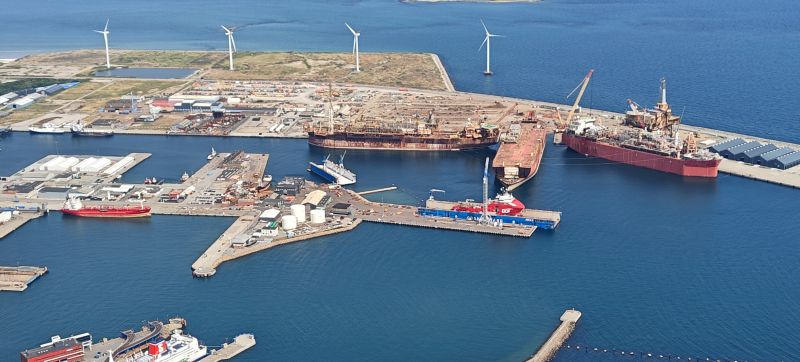
The partnership also includes collaboration on the development of the ambitious Vadhavan Port, a deep-water port project expected to play a critical role in India’s future logistics network. Hapag-Lloyd plans to contribute its global expertise in shipping and terminal operations to support the port’s development in coordination with the Jawaharlal Nehru Port Authority.
India’s growing importance in global trade is a key driver behind the deal. According to company estimates, container volumes in the country, currently around 20–25 million TEUs, are expected to at least double over the next decade or more. This rapid growth has made India a focal point for global shipping lines seeking new opportunities beyond traditional markets.
Hapag-Lloyd has already established a significant footprint in India, with more than 2,800 employees, 17 offices, and multiple liner services connecting the country to global trade routes. The company has also invested in Indian logistics firm J M Baxi Ports & Logistics, further underlining its long-term commitment to the market.
The broader investment commitment linked to the agreement is estimated at around ₹20,000 crore, covering vessel reflagging, port infrastructure, and recycling initiatives. Industry observers say such investments reflect a strategic shift, with global carriers increasingly aligning with India’s ambitions to become a major maritime hub.
For India, the partnership is expected to generate multiple benefits, including job creation, enhanced port capacity, and improved global connectivity. It also aligns with the government’s push to modernise maritime infrastructure and promote sustainable practices in ship recycling.
For Hapag-Lloyd, the deal represents a calculated bet on one of the world’s most promising shipping markets. As global fleets age and demand for recycling capacity rises, India’s ability to offer compliant and scalable solutions could become a major competitive advantage.
Overall, the agreement highlights a broader trend in the global shipping industry, where companies are increasingly looking toward India not just as a trading partner, but as a strategic base for future growth, innovation, and sustainability.

Author: shipping inbox
shipping and maritime related web portal