



Record-Setting Ship Recycling Project Sees Giant Fishing Vessel Divo Dismantled in India
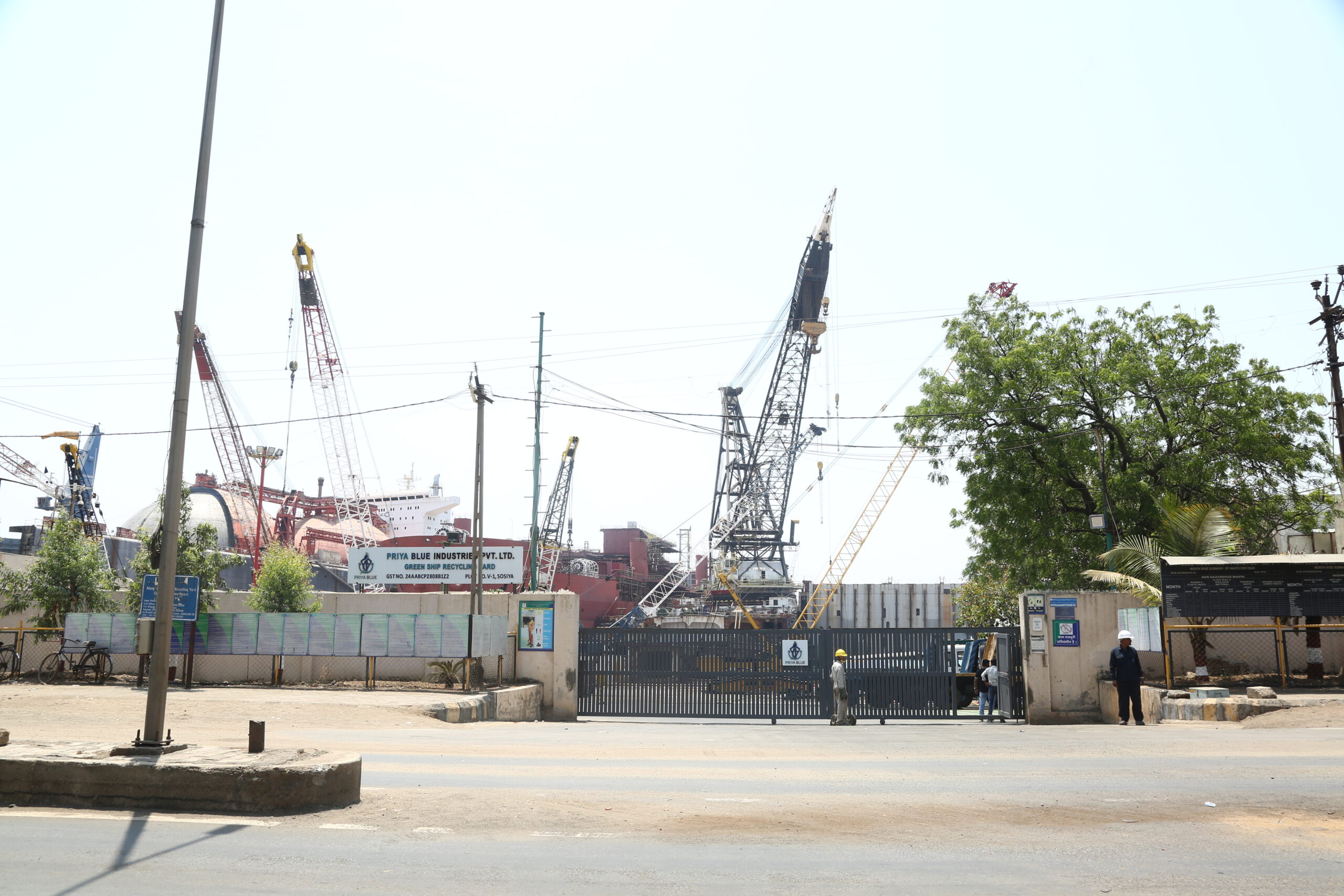
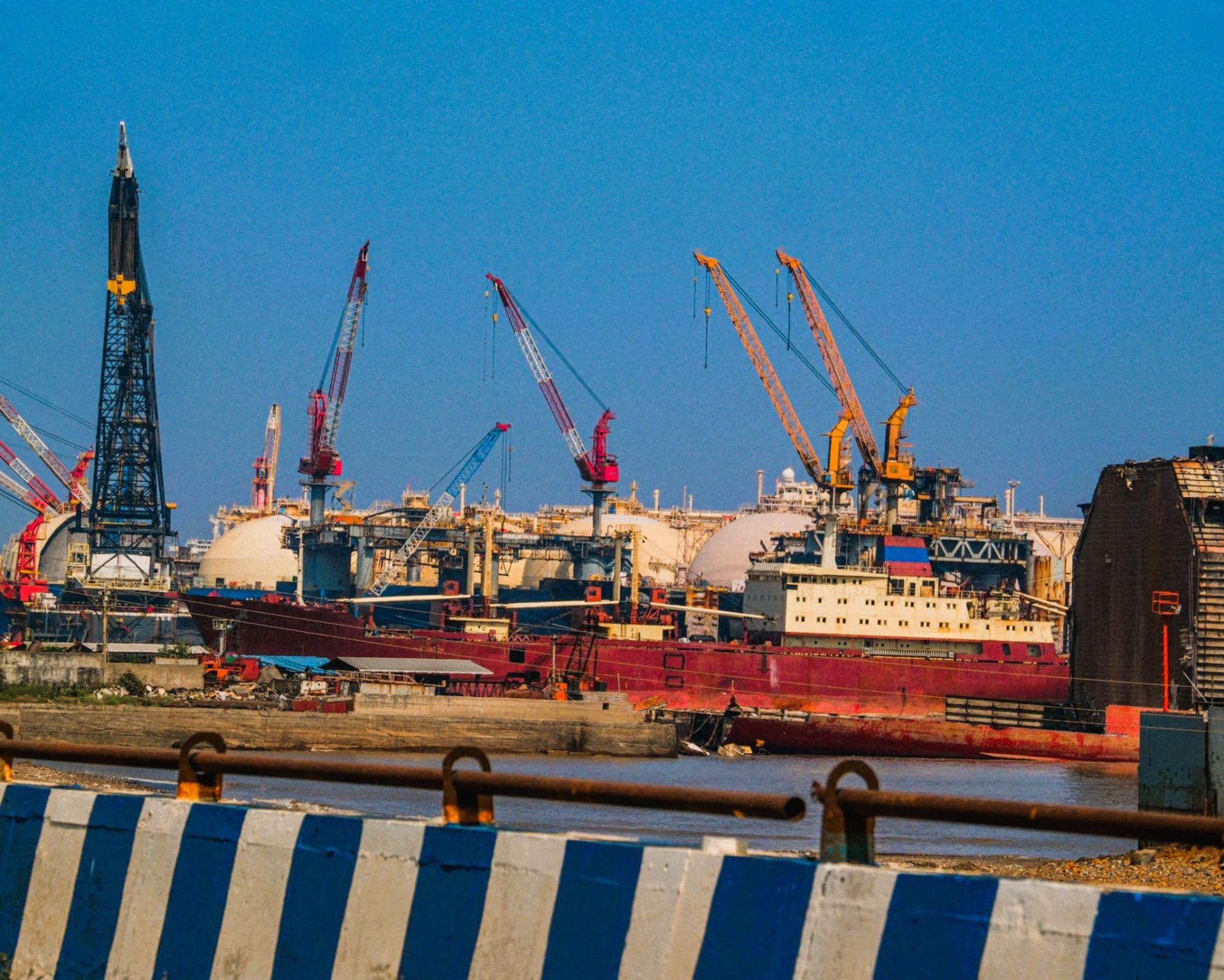
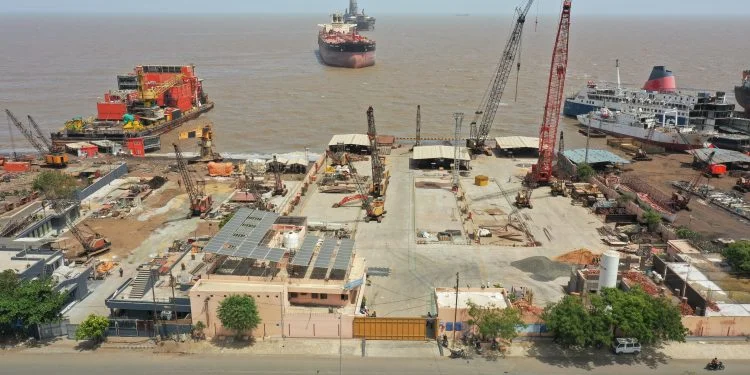
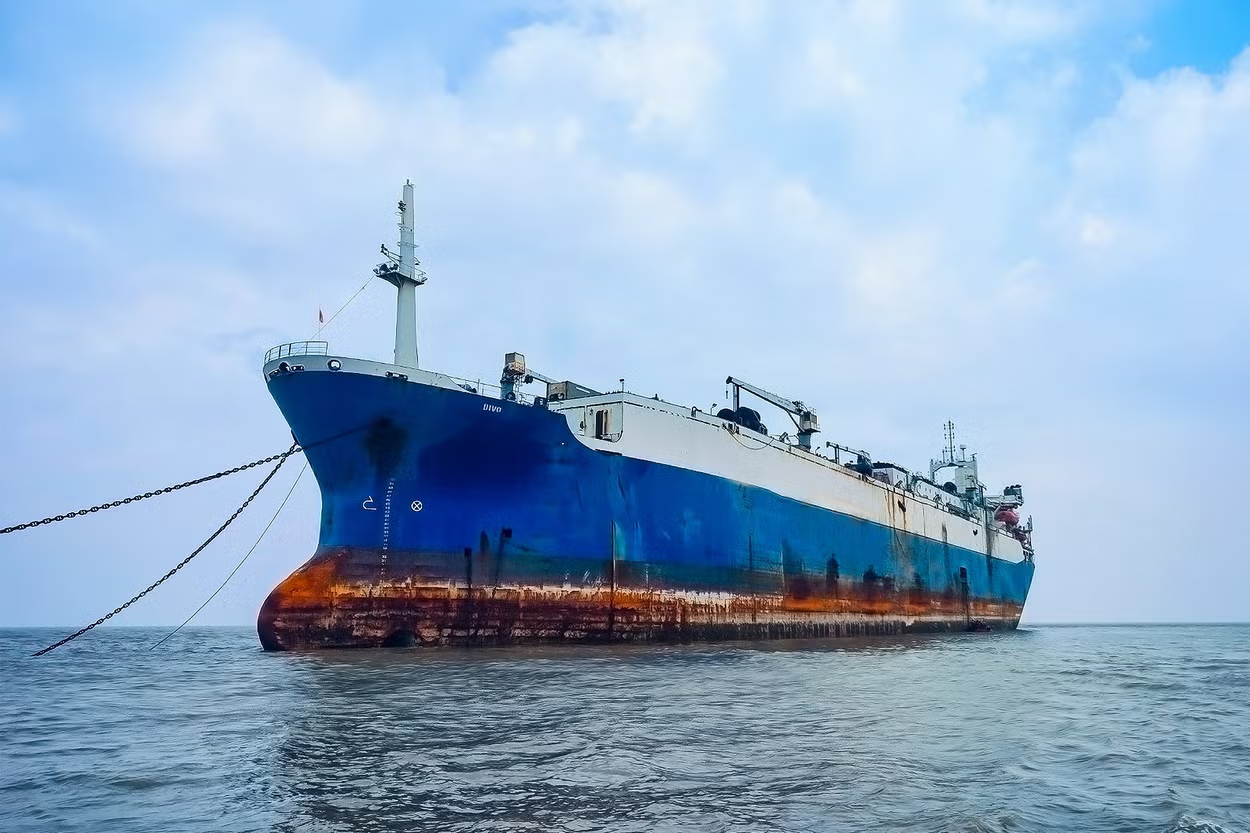
In an unprecedented achievement for the global ship-recycling industry, the massive fishing factory vessel Divo has been dismantled and scrapped in India, securing a new Guinness World Record as the largest fishing ship ever broken up for recycling. The landmark project was carried out by Priya Blue Industries, one of the country’s most prominent ship-recycling firms, at its yard in Alang, Gujarat — long known as a global hub for dismantling retired commercial vessels.

The conclusion of the Divo recycling project in January 2026 marks a milestone in maritime history, illustrating both the sheer scale of modern offshore fishing vessels and the growing technical capabilities of ship-recycling facilities in South Asia. Industry analysts say the project underscores India’s rising prominence in the global ship-demolition sector and highlights the increasingly complex nature of what were once routine shipbreaking tasks.
From Product Tanker to Fishing Giant
Originally constructed as a product tanker for Norwegian shipping interests under the company Anders Jahre, the vessel that would become Divo experienced a remarkable transformation over its lifetime. Repurposed decades earlier into a factory ship designed to process and store fish on long ocean voyages, the vessel grew to become one of the largest ever built for commercial fishing operations — a testament to shifting priorities in global maritime commerce.
As a product tanker, the ship had been part of a class of vessels designed to transport refined petroleum products such as gasoline and diesel. But as demand for large-scale fishing and seafood processing grew internationally, interests in converting aging commercial carriers into specialized fishing platforms rose, leading to the Divo’s conversion and reclassification mid-career.
Such conversions are not uncommon in the shipping industry, where vessels often have decades of useful life left after their original purpose concludes. But few conversions yield a ship of the Divo’s size and complexity, making its eventual scrapping project noteworthy among maritime professionals and recycling firms alike.
A Project Years in the Making
Shipbreaking crews at the Alang Ship Recycling Yard took on the Divo project late last year as part of their regular workload, but what set this assignment apart was the scale and precision required. Priya Blue Industries — which already had established a track record for dismantling large vessels — secured the successful recycling of the Divo in early January, after months of careful planning, logistical coordination, and environmental safeguards.
The firm’s announcement confirmed official recognition from Guinness World Records, an accolade that followed a previous record the company set a decade earlier when it dismantled another extremely large vessel. While Priya Blue has long been a significant player in India’s shipbreaking industry, this second world record cements its reputation internationally.
Ship recycling is both labor-intensive and technically demanding, especially with vessels originally designed for different roles and retrofitted for new purposes. In dismantling the Divo, Priya Blue’s teams employed advanced cutting-edge techniques to safely and efficiently process the ship’s structure, machinery, and materials — all while adhering to evolving environmental regulations governing hazardous waste and marine pollutants.
Economic and Environmental Impacts
The shipbreaking industry plays a vital economic role in regions such as Gujarat and Bangladesh, where dismantling yards supply vast quantities of steel and other materials to regional manufacturing sectors. At the same time, the industry has been under increasing scrutiny for its environmental impact and worker safety records, leading to new regulatory frameworks and certification requirements.
Modern facilities like those operated by Priya Blue are part of a broader effort to professionalize ship recycling by incorporating safer practices and more environmentally responsible methods. As ships age and global fleets modernize — driven by stricter emissions rules and new fuel-efficiency standards — the volume of vessels destined for demolition is rising as well.
Ship recycling also delivers economic benefits beyond scrap metal sales. Local suppliers, subcontractors, and transport networks often depend on the steady workflow that large-scale dismantling projects provide. Although precise figures for the Divo project’s economic payoff have not been publicly disclosed, insiders suggest the volume of recoverable steel alone likely amounts to hundreds of millions of rupees in material value.
Global Industry Recognition
Recognition from Guinness World Records underscores how significant this project is not just for Priya Blue but for the ship-recycling sector at large. Breaking the world record for the largest fishing vessel ever scrapped draws attention to how far the industry has come — from basic manual dismantling to highly organized, regulated operations capable of safely handling some of the largest floating structures ever built.
“Ship recycling is no longer a backyard business,” said a senior industry analyst who spoke on condition of anonymity. “Projects of this scale require planning on par with ship construction. It’s a meaningful step for India’s maritime service industry and speaks to the broader global shift toward professional, environmentally aligned ship recycling.”
As the global merchant fleet continues to evolve — with older vessels retired to recycling yards around the world — the Divo’s story will stand as a benchmark for how modern ship demolition can be done at scale.

Author: shipping inbox
shipping and maritime related web portal