



Two Shipbreaking Workers Found Dead Near Bangladesh’s Sitakunda Yard
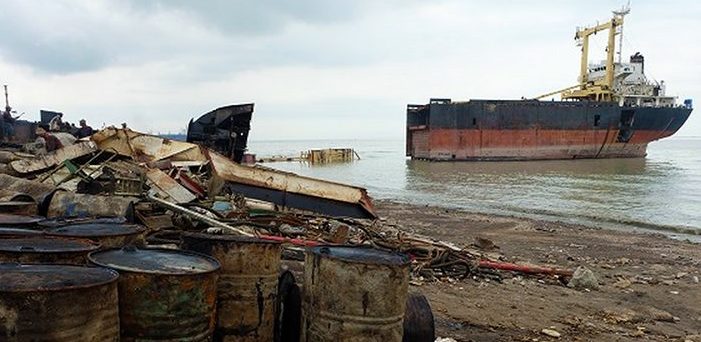
The bodies of two shipbreaking workers were recovered early on Monday from the coastline near a ship recycling yard in Sitakunda, Chattogram, triggering concern over safety practices in Bangladesh’s shipbreaking industry and prompting an official investigation into the circumstances surrounding their deaths.

The deceased were identified as Saiful Islam and Abdul Khalek, both workers employed at KR Ship Recycling Yard in the Kumira area of Sitakunda. According to police, their bodies were recovered around 2:30am from the coast adjacent to the yard.
Abdullah Al Mahmud, superintendent of police (Industrial Police), confirmed the recovery and said the condition of one of the bodies indicated severe trauma. “One of the bodies was found with the hand and head separated,” he said. “The exact cause of the incident can be determined only after a proper investigation.”
The bodies are being sent to Chittagong Medical College Hospital for autopsy, which police say will be crucial in establishing whether the deaths were caused by an accident, criminal activity, or negligence during industrial operations.
Officials from multiple agencies have begun preliminary inquiries. Shahid Parvez, inspector of the Department of Inspection for Factories and Establishments (DIFE) in Chattogram, said the department had been informed of the deaths but had yet to ascertain the cause.
“We have received information about the incident,” he said. “We are going to the spot.” DIFE officials are expected to examine whether workplace safety protocols were followed and whether the yard was operating within regulatory limits at the time of the incident.
Industrial Police officials said they are also collecting statements from yard management, workers, and local residents, and reviewing whether shipbreaking or ship beaching operations were ongoing at night.
As the investigation gets underway, conflicting explanations have emerged from yard authorities and labour representatives, underscoring long-standing tensions over safety and accountability in the shipbreaking sector.
Taslim Uddin, owner of KR Ship Recycling Yard, told The Daily Star that the yard had previously experienced incidents of robbery and claimed there had been another such incident on Sunday night.
“During that incident, two of our workers died in an accident,” he said, without elaborating on the nature of the alleged robbery or how it may have led to the fatalities.
However, labour leaders rejected this version of events. Tapan Dutta, convener of the Shipbreaking Workers Trade Union Forum, said the workers died while ship beaching was underway at night, a practice that workers’ groups have repeatedly flagged as hazardous.
He described the incident as a result of negligence and alleged that adequate safety measures were not in place. “This is not an isolated incident,” he said. “Workers are frequently put at risk, especially during night operations. We demand strict action against those responsible and proper compensation for the families of the deceased.”
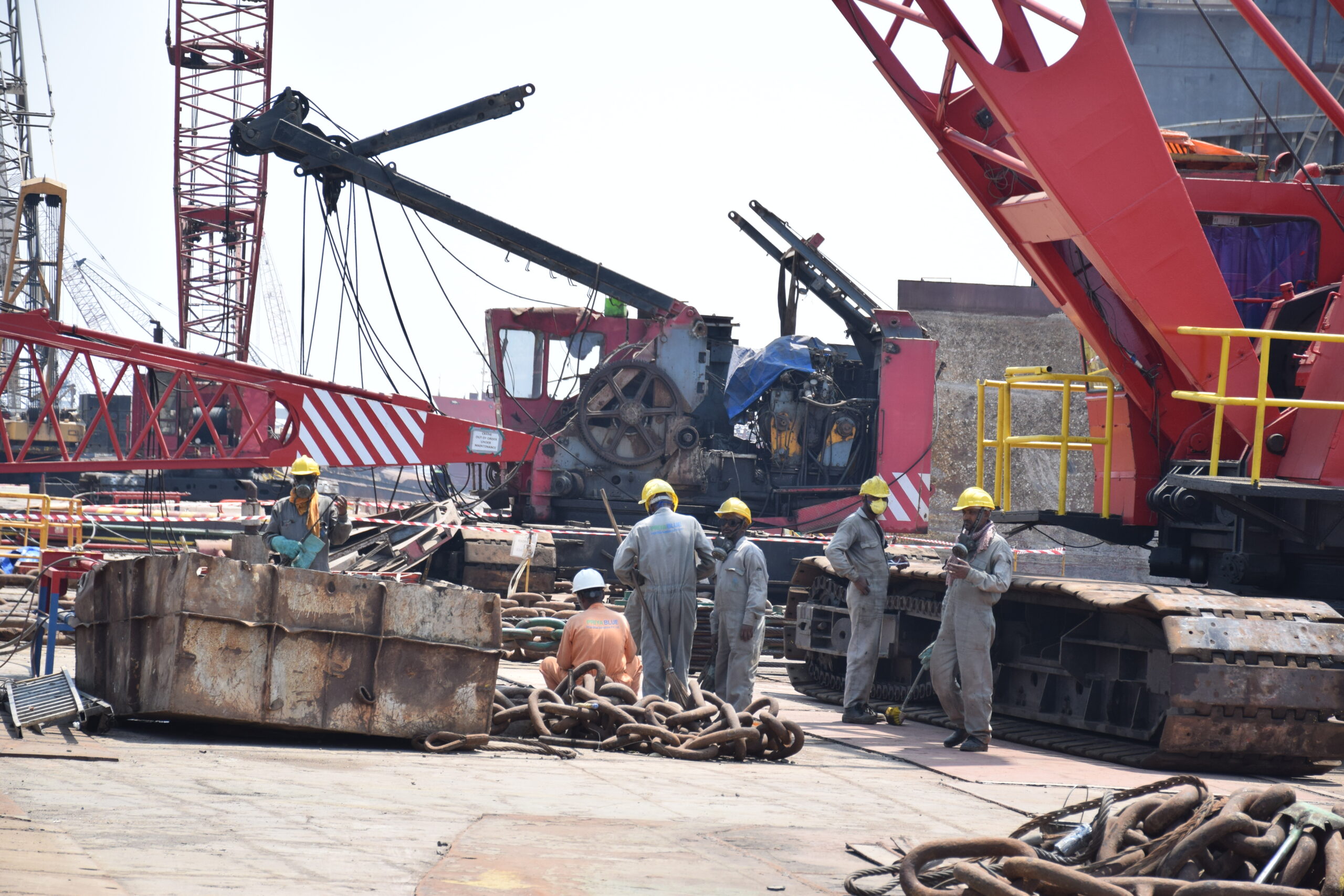
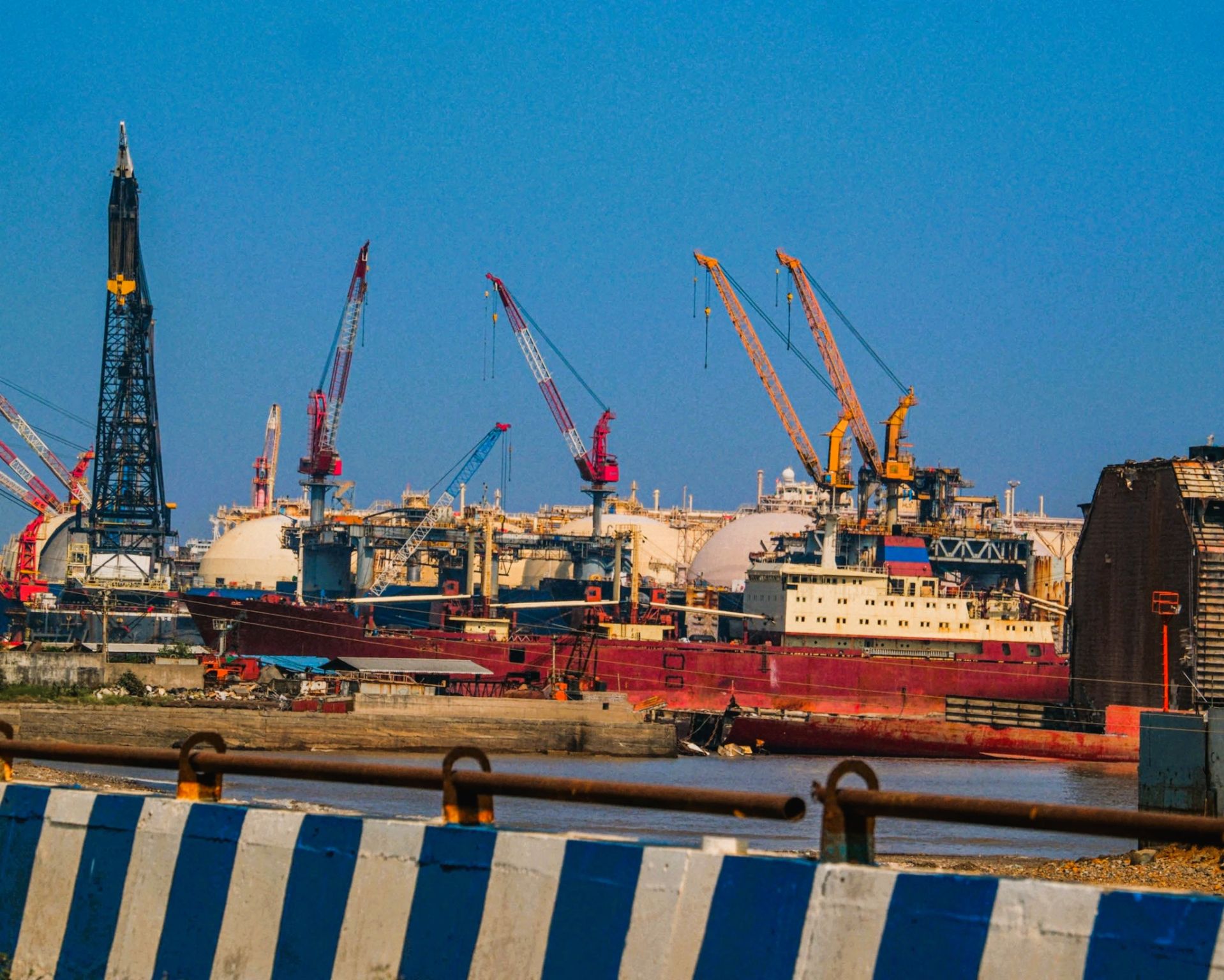
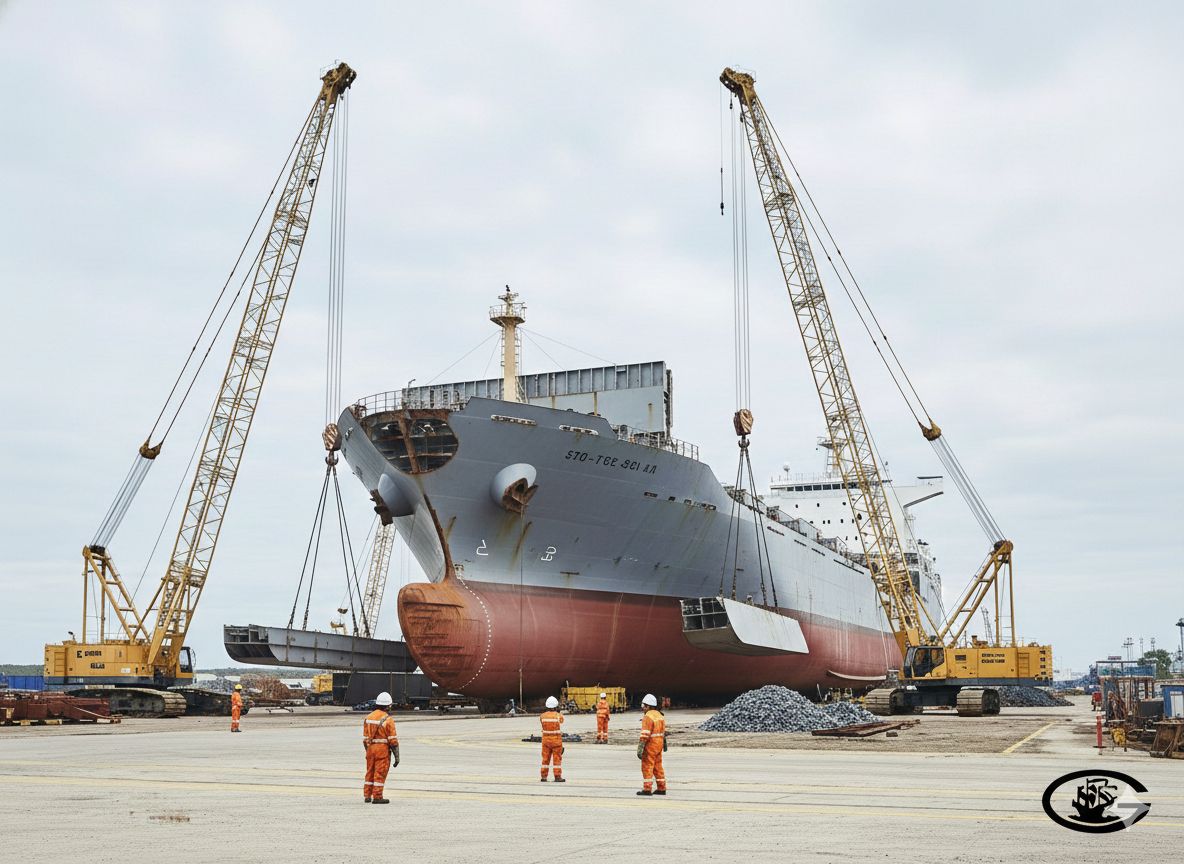
The deaths have once again drawn attention to safety conditions in Sitakunda’s shipbreaking yards, which dismantle hundreds of end-of-life vessels each year and employ tens of thousands of workers. Despite regulatory reforms in recent years and Bangladesh’s progress toward compliance with international ship recycling standards, labour organisations argue that implementation and enforcement remain inconsistent.
Workers often face risks from heavy machinery, unstable steel structures, falling plates, and exposure to hazardous materials. Night-time operations, in particular, are considered dangerous due to limited visibility and fatigue, although some yards continue such activities to maximise productivity.
Industrial safety experts say the severe injuries described by police could be consistent with accidents involving large steel sections or heavy equipment, but caution that conclusions should wait until forensic and technical investigations are completed.
Labour unions and rights groups have renewed calls for stricter oversight, transparent investigations, and accountability in cases of worker deaths. They have also urged authorities to ensure that families of deceased workers receive compensation as mandated under labour laws.
“The families have lost their breadwinners,” said a union representative. “Beyond determining the cause, the government must ensure justice and prevent such tragedies from recurring.”
Local residents in Kumira said police presence increased near the yard following the recovery of the bodies, and operations at the site were subdued in the early hours of the morning.
Police said a case would be filed once preliminary findings are available, and further action would depend on the results of the autopsies and site inspections. DIFE officials are expected to submit a report on whether any safety violations occurred.
As investigations continue, the deaths of Saiful Islam and Abdul Khalek add to a growing list of fatalities that have kept the spotlight firmly on worker safety in Bangladesh’s shipbreaking industry, raising fresh questions about enforcement, responsibility, and the human cost of one of the country’s most labour-intensive sectors.

Author: shipping inbox
shipping and maritime related web portal