




Turkish and European NGOs Call for Immediate Overhaul of EU Ship Recycling Approvals
Coalition warns of “double standards” as pressure mounts on Brussels to revoke authorisations for Aliağa yards
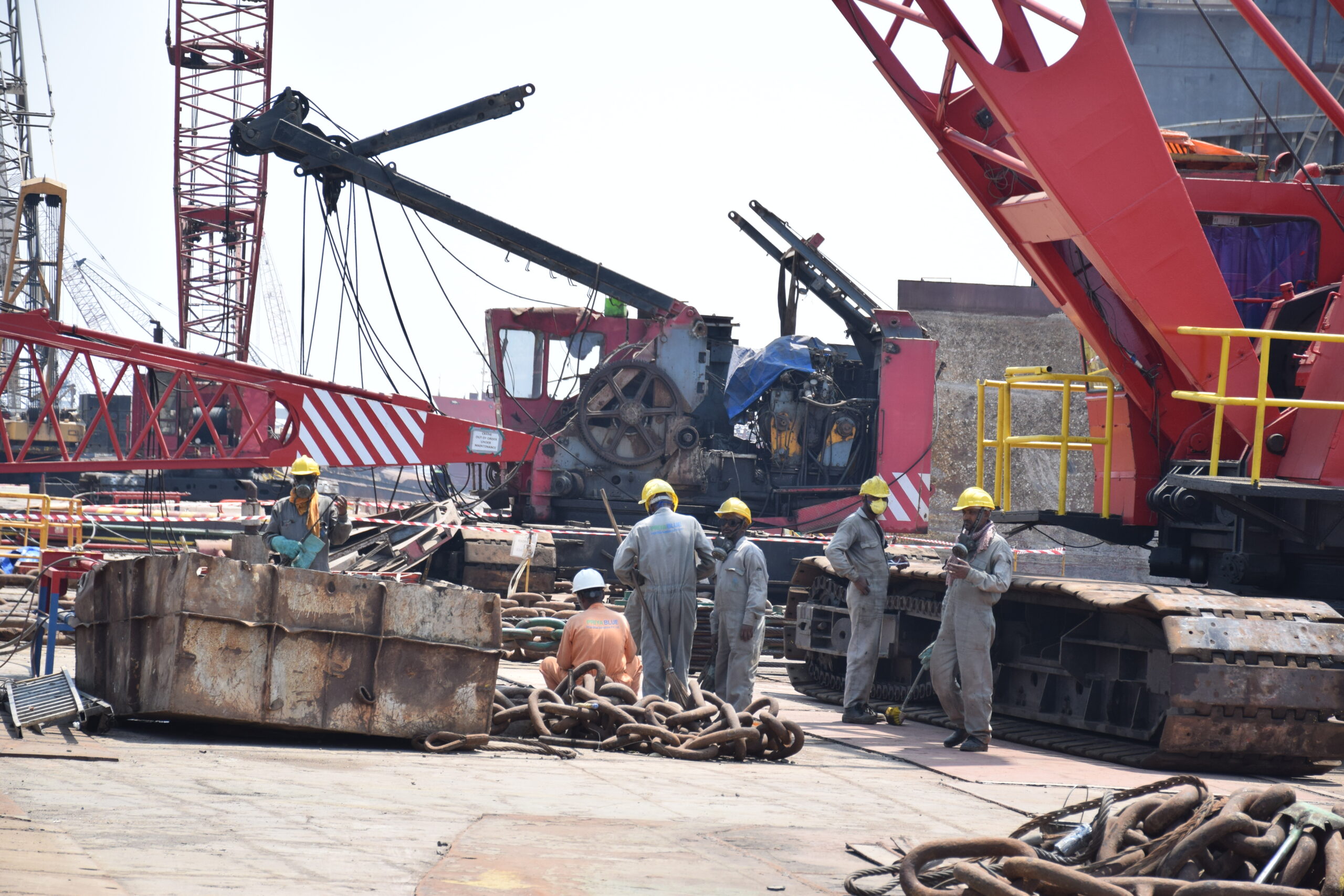
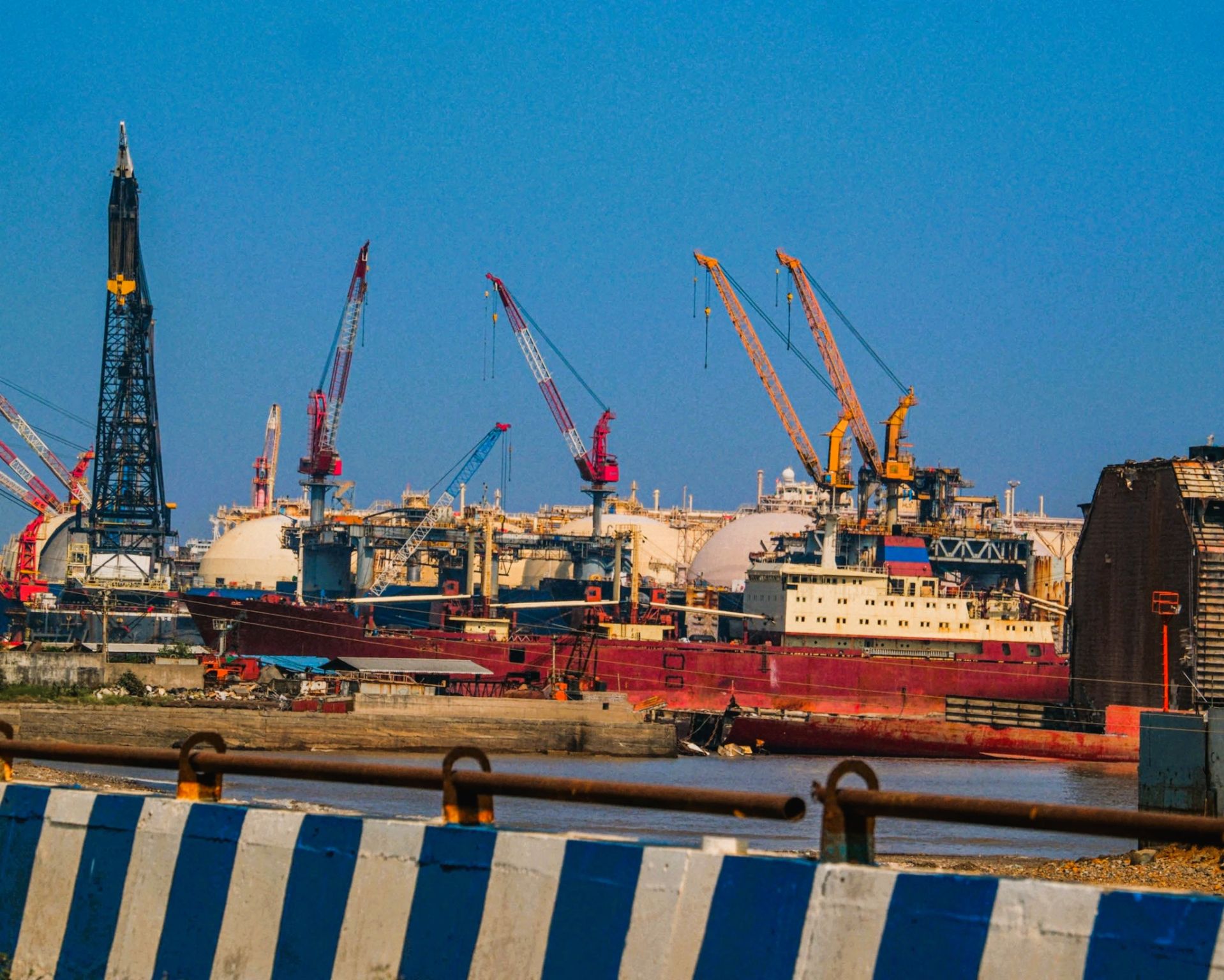
A broad coalition of Turkish and European civil society organisations has intensified pressure on the European Commission to take urgent action against ship recycling yards in Aliağa, Turkey, alleging serious violations of environmental and worker-safety standards. In an open letter submitted to the Commission, Turkish NGOs, labour unions, lawyers, and local municipalities — supported by the Brussels-based NGO Shipbreaking Platform and the European Environmental Bureau (EEB) — demanded the immediate withdrawal of all EU approvals granted to ship recycling facilities in the region under Article 23 of the EU Ship Recycling Regulation (SRR).

The joint appeal, unveiled publicly during a press conference in Izmir on 18 November, accuses EU regulators of enabling a dangerous double standard that would never be permitted within any EU Member State. According to the signatories, the current approvals effectively provide a veneer of legitimacy to practices that expose workers and nearby communities to occupational hazards, toxic pollution, and irreversible environmental damage.
Multiple SRR Violations Alleged
The letter outlines what the coalition describes as systemic infringements of the SRR. These include regulatory exemptions granted to some facilities, weak enforcement of environmental and waste management rules, persistent illegal dumping of hazardous materials, and widespread contamination from heavy metals and other toxic substances commonly found in end-of-life vessels.
Civil society groups argue that these issues are not isolated incidents but reflect structural weaknesses in the oversight of the Aliağa ship recycling sector. Many of the yards operate in proximity to residential areas and ecologically sensitive zones, intensifying concerns about long-term impacts on public health and marine biodiversity.
Three Demands for Immediate Action
The coalition is calling on the European Commission to take three decisive steps:
-
Revoke all EU approvals for ship recycling facilities in Aliağa without delay.
The signatories argue that until full compliance can be assured, the yards should not be allowed to process EU-flagged vessels. -
Revise the EU Ship Recycling Regulation approval procedures.
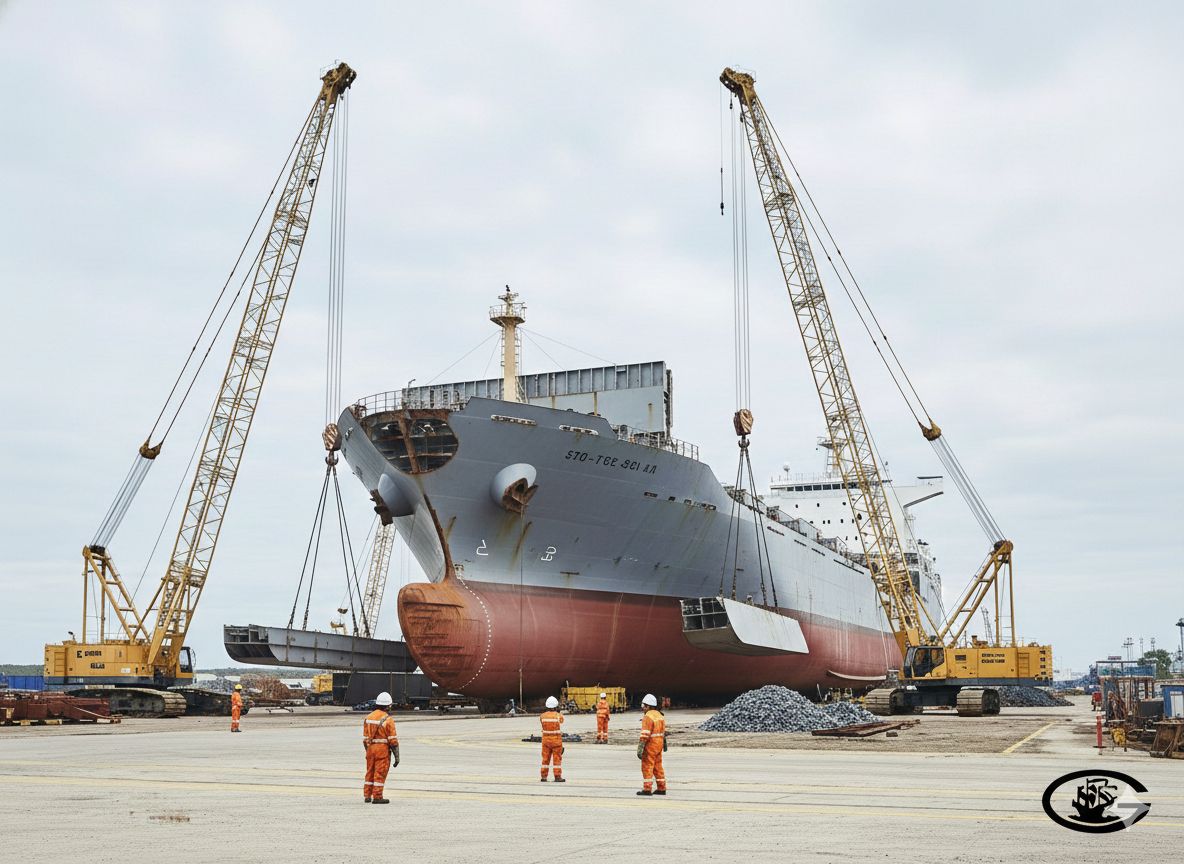
They want Brussels to approve only fully contained, industrial dismantling methods — such as drydocks — that prevent leakage of pollutants and ensure worker safety. -
Collaborate closely with Turkish authorities and civil society.
The coalition is urging the EU to work with local stakeholders to ensure that the infrastructure in Aliağa meets international standards for environmentally sound and safe ship recycling.
Concerns Over Possible Approvals for Indian Beaching Yards
In their letter, the NGOs also express alarm over the Commission’s ongoing review of ship recycling applications from Indian yards that use the beaching method — a practice in which ships are driven onto intertidal mudflats for dismantling. Beaching is explicitly banned in the EU due to the severe contamination risks linked to tidal movement and lack of proper containment infrastructure.
The coalition warns that approving any facility that employs beaching would undermine the integrity of the SRR and send a troubling signal that the EU is willing to compromise on safety and environmental principles.
They urge the Commission to adopt a “zero-tolerance” approach toward any shipbreaking method that fails to ensure full containment of pollutants, protection of workers from toxic exposure, and complete elimination of risks associated with fatal accidents.
Environmental and Labour Advocates Voice Deep Frustration
Eva Bille, Head of Circular Economy at the European Environmental Bureau, delivered a stark message:
“While the EU focuses on championing a single market for raw materials, it turns a blind eye to ship recycling yards plagued by labour and environmental abuses. The EU must apply the precautionary principle and remove these facilities from the Ship Recycling Regulation list immediately.”
Her comments underscore a growing disconnect between the EU’s ambitions to lead the global circular economy transition and its alleged failure to uphold robust enforcement standards in sectors where hazardous waste management is critical.
NGO Shipbreaking Platform, which has long monitored ship recycling activities worldwide, echoed this sentiment. Policy Officer Ekin Sakin emphasised:
“The EU list should represent a level-playing field, and must not legitimise bad practices and double standards in the sector. This is something we strongly condemn, and, therefore, we take action and support the local civil society.”
A Sector Under Scrutiny
Ship recycling in Turkey has come under heightened scrutiny in recent years. In December 2023, NGO Shipbreaking Platform released a comprehensive report documenting recurring safety lapses, environmental contamination, and inadequate handling of hazardous materials across Aliağa’s shipbreaking yards. Despite these concerns, the region remains a major destination for dismantling EU-flagged ships.
Today, more than half of all EU-flagged end-of-life vessels are recycled in Aliağa. Of the 22 operating yards in the district, 11 are already listed as EU-approved, and five more are awaiting evaluation.
This reliance on Turkish facilities — combined with allegations of lax enforcement — has raised questions about the EU’s commitment to its own sustainability and worker-protection goals. Critics argue that the SRR, introduced to ensure safe and environmentally sound ship recycling, risks losing credibility if standards are not applied consistently across all approved facilities worldwide.
A Call for Structural Reform
The coalition’s demands go beyond the revocation of approvals in Turkey. Their appeal calls for broader reforms in how the EU evaluates and monitors ship recycling sites globally, stressing the need for:
-
uniform enforcement standards regardless of geographic location,
-
transparent auditing mechanisms,
-
continuous monitoring of hazardous waste handling, and
-
accountability for facilities that fail to comply.
The NGOs warn that without stronger oversight, the EU could inadvertently contribute to a race to the bottom in shipbreaking — a sector historically associated with dangerous working conditions, frequent accidents, and severe marine pollution.
What Comes Next
The European Commission is expected to respond to the letter in the coming weeks. While the EU has previously defended its approval process, citing strict audits and annual inspections, pressure from civil society — combined with increased media attention — may force Brussels to reconsider its approach.
For now, the future of ship recycling in Aliağa hangs in the balance. If the Commission acts on the coalition’s demands, it could trigger a major realignment of global shipbreaking flows, potentially shifting EU-flagged vessels toward facilities with more advanced containment infrastructure.
As scrutiny intensifies, the debate is set to become a defining test of the EU’s environmental leadership — and its willingness to enforce the same standards abroad as it expects at home.

Author: shipping inbox
shipping and maritime related web portal