



Tanker Traffic Slows Through Strait of Hormuz as Conflict Risks Escalate
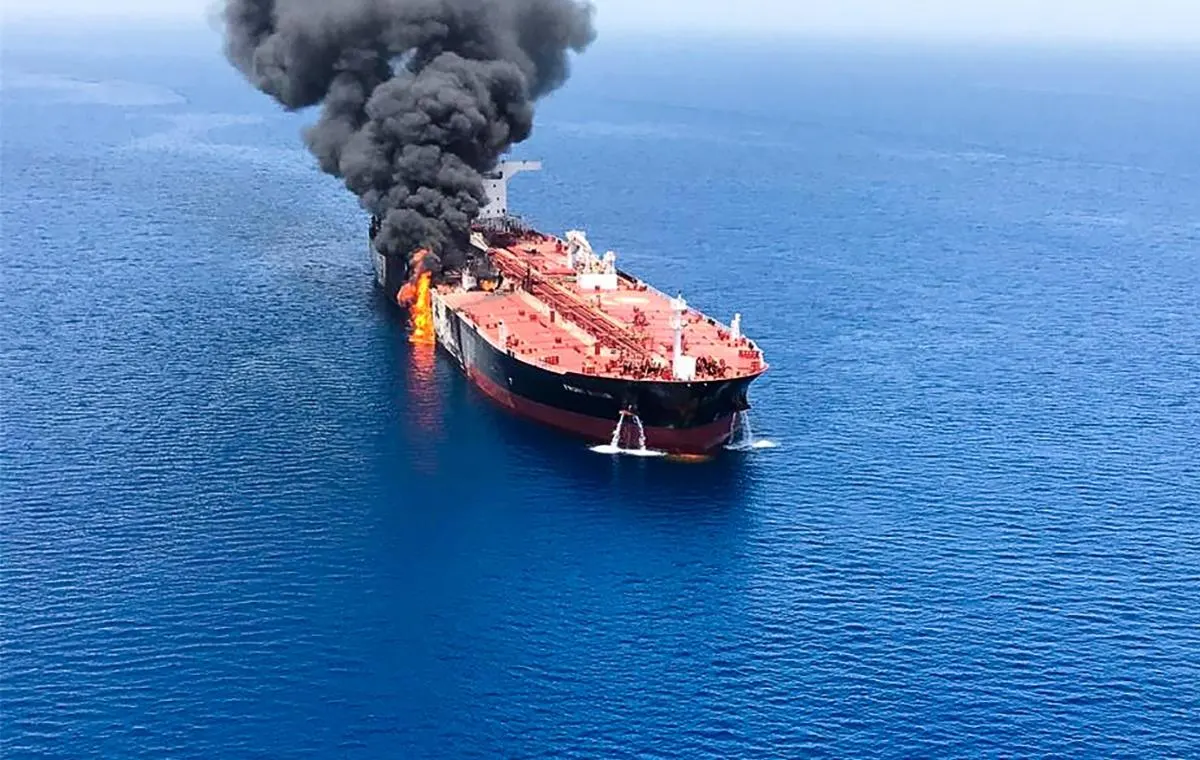
Global tanker traffic through the Strait of Hormuz has sharply fallen or paused in recent days, as escalating geopolitical tensions involving the United States, Israel, and Iran spill directly into maritime operations. Oil majors, commodity traders, and shipowners are increasingly suspending crude oil, refined fuel, and LNG shipments through the vital waterway following military strikes and explicit warnings from Iran’s Islamic Revolutionary Guard Corps.

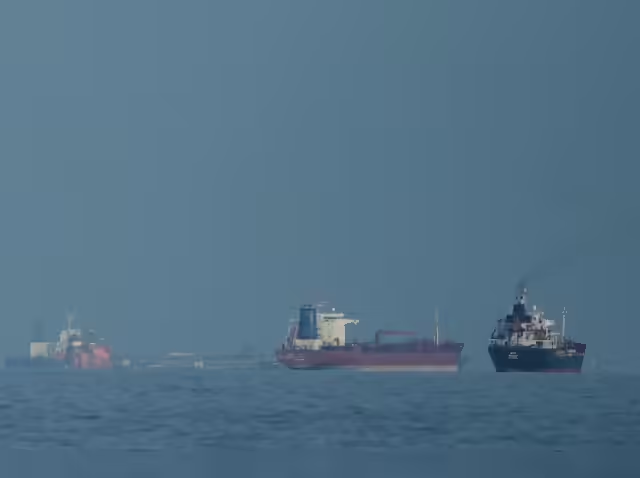
While the strait has not been fully closed, shipping activity has slowed significantly. Several large tankers have either turned back mid-voyage or are holding position outside the narrow passage, waiting for clarity on security conditions. Vessel tracking data shows a growing number of ships anchored near safer holding areas, including off the coast of Fujairah, rather than proceeding through Hormuz into the Persian Gulf.
The Strait of Hormuz is one of the world’s most critical energy chokepoints, handling roughly a fifth of global seaborne oil trade and a substantial share of LNG exports from the Middle East. Any disruption—whether physical or perceived—has immediate repercussions across energy markets. This latest slowdown reflects a shift from abstract geopolitical risk to tangible operational decisions being taken on the water by shipmasters, charterers, and insurers.
Market reaction has been swift. Oil prices have firmed as traders factor in the possibility of prolonged disruption, while freight rates for tankers willing to transit the region have surged. Analysts note that even partial delays can tighten supply chains, especially for Asian buyers heavily dependent on Gulf crude and gas. Refineries and utilities are now reassessing inventory levels and alternative sourcing options, mindful that extended instability could amplify price volatility.
Insurance is emerging as a critical pressure point. War risk premiums for transits through the Strait of Hormuz are being reassessed almost daily, with underwriters signaling that coverage terms may tighten further if hostilities escalate. Some insurers are reportedly limiting exposure or requiring additional security measures, while others are pricing in the heightened threat of missile attacks, drone strikes, or vessel seizures. For shipowners, these higher premiums—combined with potential crew safety concerns—are making Hormuz transits a far more complex commercial calculation.
From an operational standpoint, the slowdown underscores how quickly global energy logistics can be disrupted by regional conflict. The Strait of Hormuz is only about 21 nautical miles wide at its narrowest point, leaving little room for maneuvering if tensions flare. Any miscalculation or isolated incident could rapidly escalate into a broader maritime crisis, with knock-on effects felt far beyond the Middle East.
Industry observers emphasize that this moment marks a critical inflection point. What had long been discussed as a “theoretical risk” to shipping through Hormuz has now translated into real-world hesitation, delays, and rerouting. Even if traffic resumes at higher levels in the near term, confidence has been shaken, and risk premiums—both financial and operational—are likely to remain elevated.
For the global energy supply chain, the implications are clear. Security dynamics in key maritime chokepoints remain a decisive factor in oil and gas flows, pricing, and availability. As long as tensions involving the U.S., Israel, and Iran remain unresolved, the Strait of Hormuz will continue to be a focal point of concern—where geopolitics and global trade collide with immediate and costly consequences.

Author: shipping inbox
shipping and maritime related web portal