




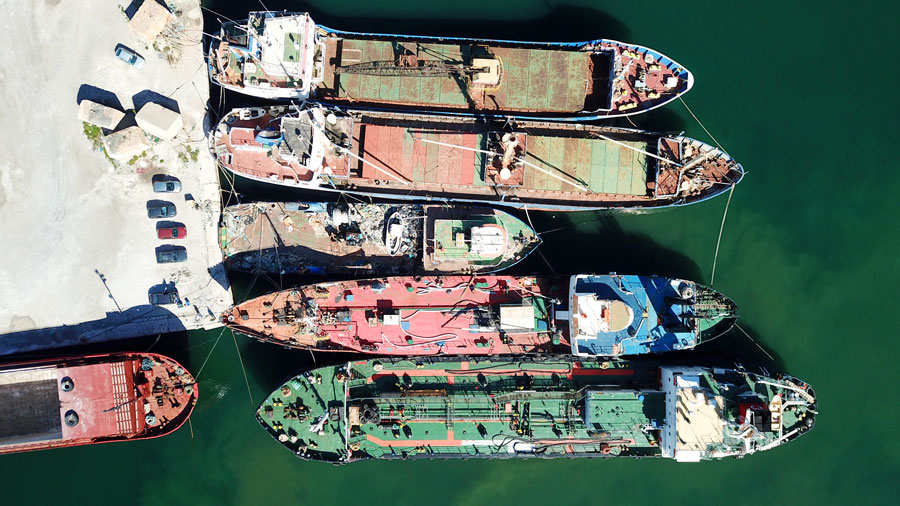
Single Form to Meet Dual Rules: EU Streamlines Ship Recycling Compliance for European Owners
European shipowners seeking to recycle their vessels will now be able to meet their legal obligations under both European Union law and international rules through a single administrative process, following a key decision by the European Commission aimed at reducing regulatory duplication while maintaining high environmental and safety standards.
The Commission has adopted updated formats for two critical certificates used in ship recycling: the Inventory of Hazardous Materials (IHM), which lists all hazardous substances present on board a vessel, and the Ready for Recycling Certificate, which confirms that a ship meets the necessary conditions to be dismantled. With the new formats, shipowners will no longer need separate documentation to comply with the EU’s Ship Recycling Regulation (SRR) and the International Maritime Organization’s Hong Kong International Convention for the Safe and Environmentally Sound Recycling of Ships.
According to the Commission, the change will significantly reduce the administrative burden on European shipowners without weakening the EU’s more stringent requirements. Instead, the new system allows for a single certificate to demonstrate compliance with both regimes, improving legal clarity at a time when global ship recycling rules are undergoing a major transition.
Aligning EU and global rules
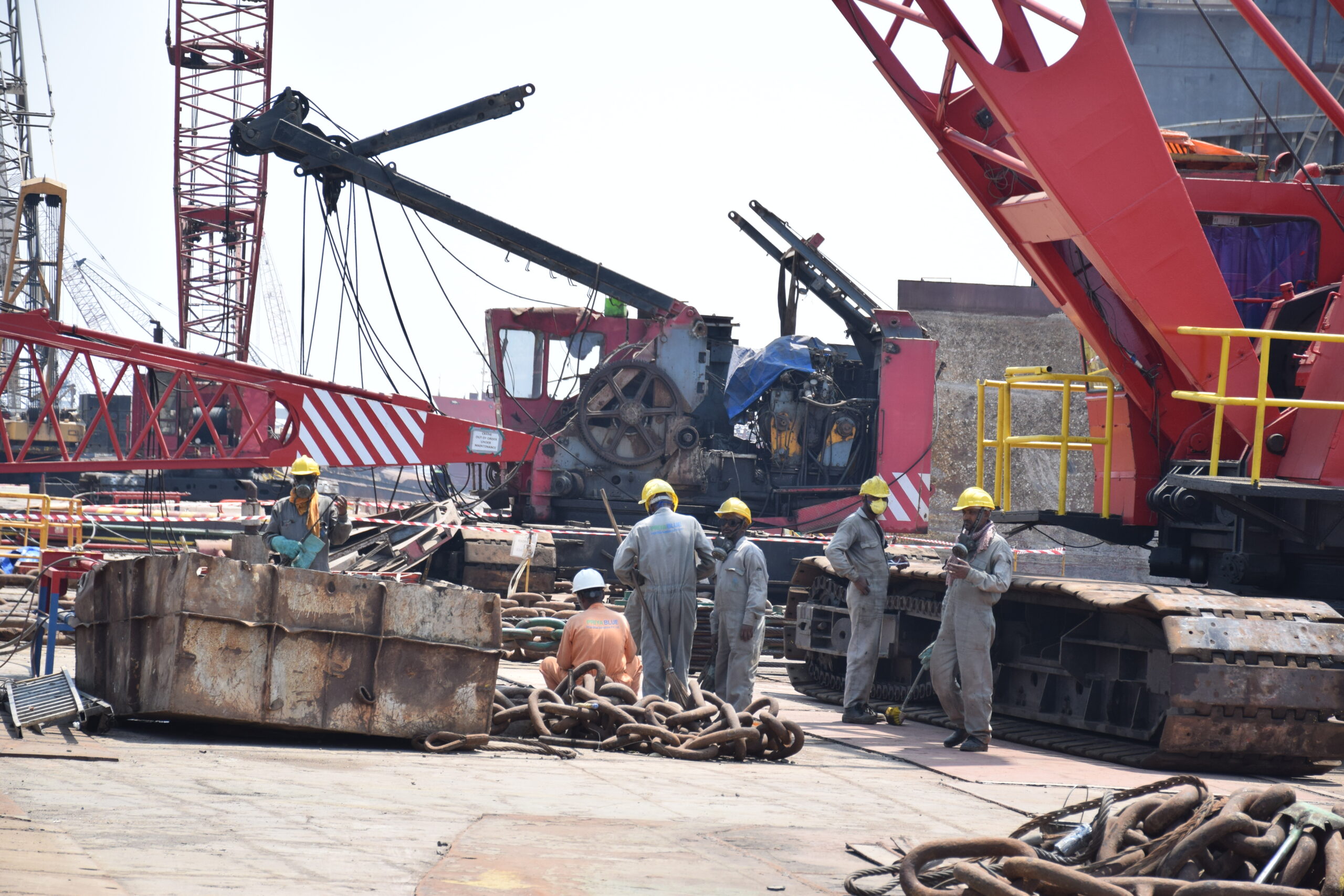
European shipowners control around 30% of the global merchant fleet by tonnage, giving the EU considerable influence over international shipping practices. However, a large proportion of end-of-life vessels owned or controlled by European interests are dismantled outside the EU, particularly in South Asia. In these regions, ship recycling has historically taken place under conditions that often pose serious risks to workers’ health and the environment, including exposure to asbestos, heavy metals and oil residues, as well as coastal pollution.
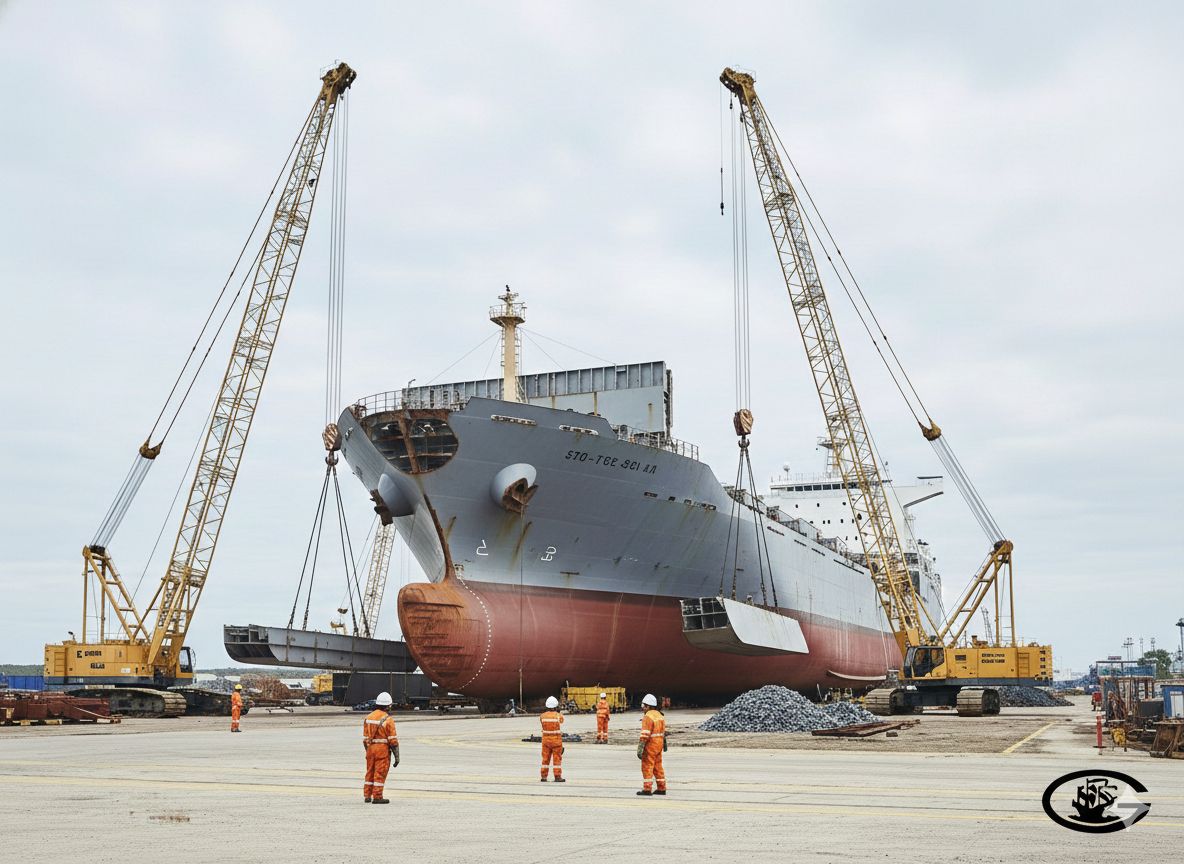
The EU Ship Recycling Regulation, adopted in 2013, was designed to address these concerns by setting binding standards for EU-flagged ships and by regulating where and how they can be recycled. The regulation applies to large seagoing vessels flying the flag of an EU Member State and requires them to be dismantled only in approved facilities that meet strict environmental and occupational safety criteria.
By contrast, the Hong Kong Convention, which entered into force in June 2025 after years of delay, establishes global minimum standards for ship recycling but is generally considered less demanding than the EU regime in certain areas. The Convention aims to ensure that ships, when being recycled after reaching the end of their operational lives, do not pose unnecessary risks to human health, safety or the environment.
The Commission said the new certificate formats are intended to bridge the gap between the two systems during what the IMO has described as an “experience-building phase” for the Convention.
What the EU regulation requires
The EU Ship Recycling Regulation goes beyond international standards in several respects. It includes detailed requirements for both ships and recycling facilities, limits and outright prohibitions on the installation and use of certain hazardous materials—most notably asbestos—and a transparency mechanism through the European List of compliant ship recycling facilities.
This European List includes yards located within the EU as well as facilities in third countries that have been inspected and approved for compliance with EU standards. Only facilities on this list are permitted to recycle EU-flagged ships, regardless of where they are located geographically.
Ships covered by the regulation must also maintain an up-to-date Inventory of Hazardous Materials throughout their operational life. This inventory must be verified by approved bodies and updated whenever the ship’s structure or equipment changes in a way that could affect the presence of hazardous substances.
The Hong Kong Convention similarly requires an inventory and certification process, but the alignment between the two systems has until now been incomplete, often forcing shipowners to manage parallel documentation streams.
Reducing burden without lowering standards
In announcing the new certificate formats, the European Commission stressed that the move does not dilute EU environmental or safety requirements. Instead, it seeks to simplify compliance by ensuring that a single set of documents can demonstrate conformity with both the EU regulation and the international convention.
For shipowners, this is expected to reduce costs and administrative complexity, particularly for companies operating mixed fleets that trade globally and may switch flags or recycling destinations over a vessel’s lifetime. For regulators, the harmonised formats are intended to improve enforcement and oversight by making documentation clearer and more consistent.
Industry observers note that the change also sends a political signal. By aligning documentation while maintaining higher EU standards, the Commission appears to be positioning the EU as a driver of gradual upward convergence in global ship recycling norms, rather than lowering its own bar to match international minimums.
Looking ahead: improving global standards
As part of the IMO’s experience-building phase following the entry into force of the Hong Kong Convention, the European Commission has committed to contributing actively to the assessment of how the Convention is implemented in practice. This includes identifying gaps, weaknesses and areas where global standards could be strengthened over time.
The Commission has indicated that lessons learned from the EU Ship Recycling Regulation, including its inspection regime and facility approval process, could inform future discussions at the IMO aimed at tightening international rules.
With European shipowners playing a dominant role in global shipping, and with the majority of ship recycling still taking place outside Europe, the effectiveness of these efforts will be closely watched. The adoption of a single certificate system marks a pragmatic step towards regulatory coherence, but the broader challenge of ensuring safe and environmentally sound ship recycling worldwide remains firmly on the agenda.

Author: shipping inbox
shipping and maritime related web portal


1 thought on “Single Form to Meet Dual Rules: EU Streamlines Ship Recycling Compliance for European Owners”
It there a monthly/weekly scrap report showing ships names. etc…