




Sheng Lu Navigation Ends Shipowning Foray with Bulker Sale — Exits Market After Strategic Bet on Scrap Value Fails to Pay Off
Hong Kong-registered Sheng Lu Navigation (SLN) has marked a full exit from the shipowning business, disposing of its sole bulk carrier and drawing a curtain on a two-year experiment that sought to profit from the volatile intersection of freight markets and ship recycling prices.

The vessel — a handysize bulker named Sheng Lu (IMO 9078335) — was sold late last week to undisclosed buyers, marking the end of SLN’s brief stint as an asset owner in the dry bulk sector. The move underscores the challenges faced by small players trying to navigate today’s complex shipping markets, where aging tonnage, sluggish freight rates, weak shipyard demand and unpredictable demolition values create a difficult backdrop for standalone ship investments.
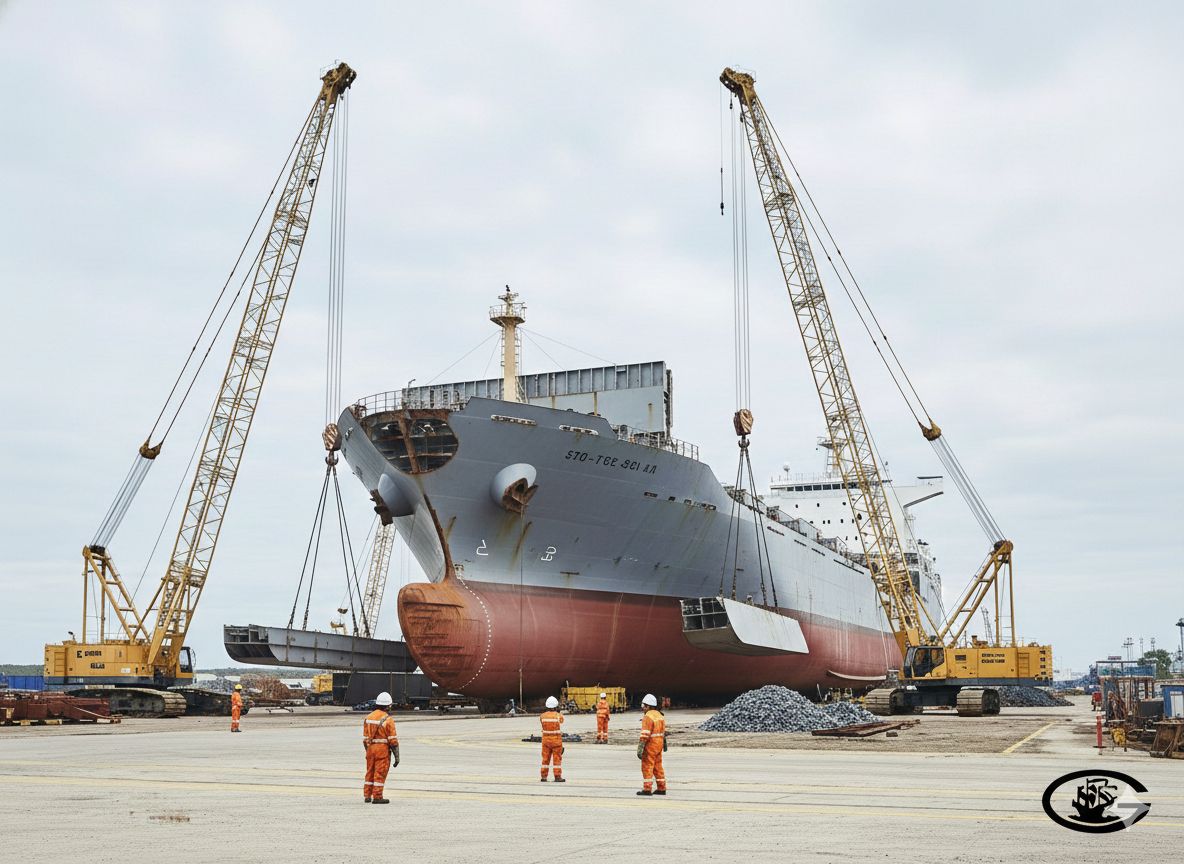
Built in 1994, the Sheng Lu was one of the older bulk carriers still in international service, with a deadweight tonnage (DWT) of about 28,500 and a length overall of roughly 170 meters. The ship had traded globally under various flags, most recently St. Kitts & Nevis before its sale.
Strategic Bet on Scrap, Not Freight
SLN’s acquisition of the bulk carrier in 2021 was widely interpreted by industry watchers as a calculated play to cash in on rising scrap prices rather than to generate long-term freight earnings. Older bulk carriers often appeal more to firms angling for demolition profits, especially given long lease rates and rising operational costs for aging ships.
However, that strategy appears to have backfired. Global scrap steel prices — closely tied to bulk carrier demolition values — have weakened significantly in recent years amid subdued steel demand and overcapacity in key recycling markets in South Asia. According to shipbreaking analysts, average scrap prices for bulk carriers fell below levels seen during the pandemic, diminishing the financial benefits of a scrap-focused strategy.
Meanwhile, dry bulk freight markets have been far from robust. Despite occasional gains in certain segments — such as capesize rates driven by iron ore demand — overall charter rates have remained under pressure, discouraging momentum in both newbuilding and second-hand acquisition markets. Industry data shows that bulker sale and purchase activity dropped sharply year-on-year in 2025, reflecting market hesitation and an extended period of low transactional confidence.
Against this backdrop, SLN’s decision to withdraw likely reflects a broader reassessment of risk and value in dry bulk shipping, particularly for smaller owners without diversified fleets to absorb market volatility.
A Larger Industry Slowdown
SLN’s departure occurs amid one of the slowest periods for bulker investment and renewal in decades. Dry bulk newbuild orders plunged by over 90% in early 2025 compared with the same period a year earlier, according to BIMCO, driven by weak freight rates, high newbuilding prices and uncertainty about future fuel regulations.
Sale and purchase volumes have similarly diminished, with some industry analysts attributing the slump to macroeconomic pressures and regulatory uncertainty. Investors and owners appear increasingly cautious, delaying purchases of both freshbuild and older tonnage amid questions about the long-term outlook for traditional dry bulk demand.
The consequence is a market where older vessels like Sheng Lu often sit in a prolonged twilight, neither commanding strong freight revenues nor achieving premium scrap values, making them less attractive as standalone investments.
What the Sale Means for SLN
By selling its only owned vessel, Sheng Lu Navigation effectively exits shipowning and returns to its core competencies — if any remain — in chartering or brokering rather than asset ownership. Industry insiders suggest the company may have taken a financial hit on the original investment, especially if its acquisition had been structured around a hoped-for spike in demolition values.
The identity of the buyer has not been publicly disclosed, but such transactions in the bulker segment often involve either established shipowners looking to augment fleet capacity or demolition firms seeking to capitalize on residual metal value. Which of these categories the new owner belongs to will likely be a bellwether for how the Sheng Lu’s remaining economic life is viewed — whether as a cargo carrier or a candidate for scrap.
Broader Implications for Small Owners
SLN’s retreat highlights the precarious position of smaller shipowners in a market dominated by large, diversified players and subject to cyclical pressures on freight rates and asset valuations. While larger firms can leverage scale, long-term contracts and diversified portfolios to weather downturns, small owners with isolated ships face intense pricing and operational pressures.
The bulker sector’s broader dynamics — weak contracting activity, an aging fleet and limited appetite for reinvestment — suggest that consolidation or strategic exits like SLN’s could become more common. As the industry awaits clearer signs of recovery or structural shifts driven by decarbonization and regulatory changes, many owners may opt to shore up balance sheets rather than chase speculative gains on aging tonnage.
For now, the sale of Sheng Lu marks not just an end for one company’s shipowning ambitions, but also a reflection of the deep challenges facing the dry bulk segment in 2026.

Author: shipping inbox
shipping and maritime related web portal