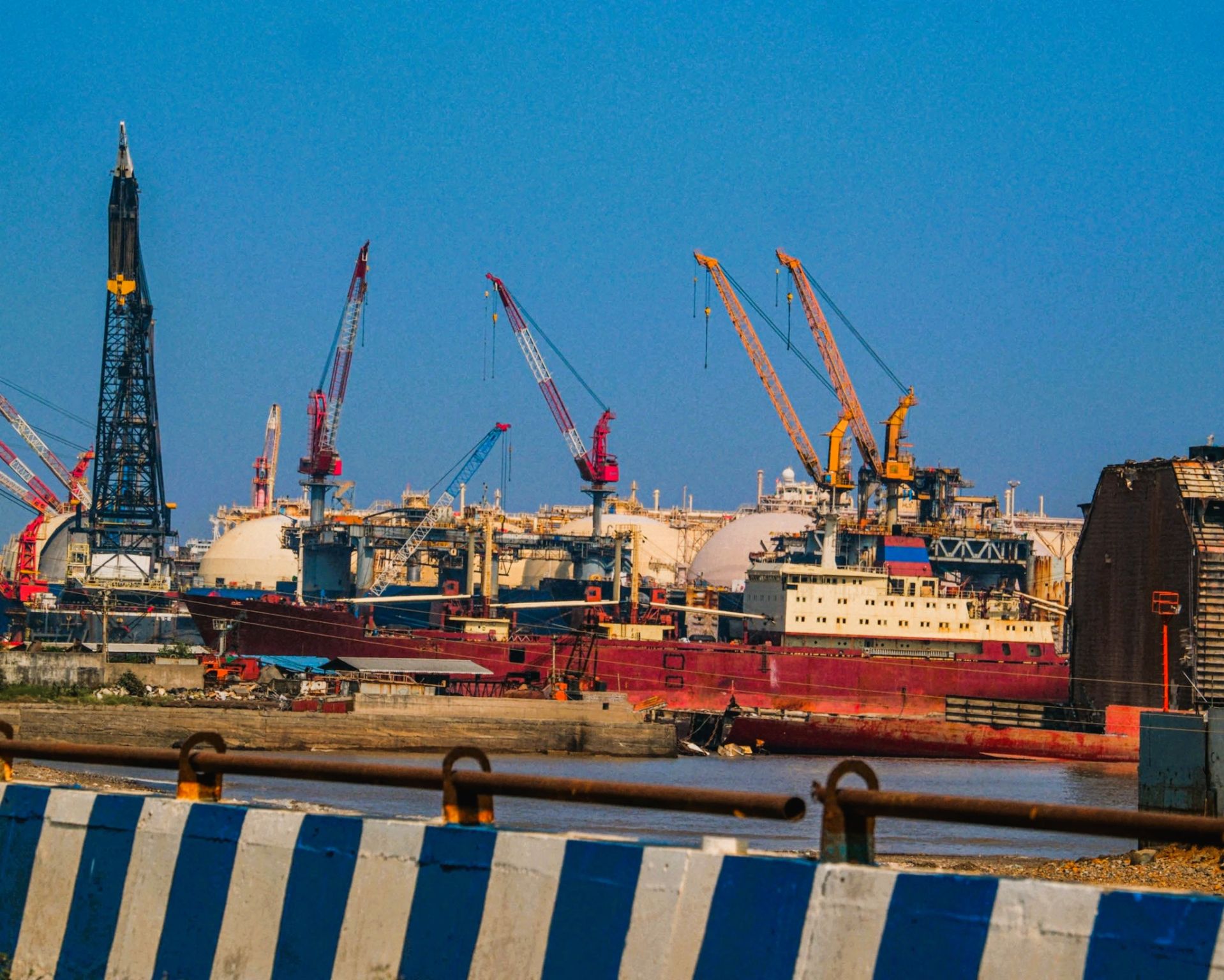




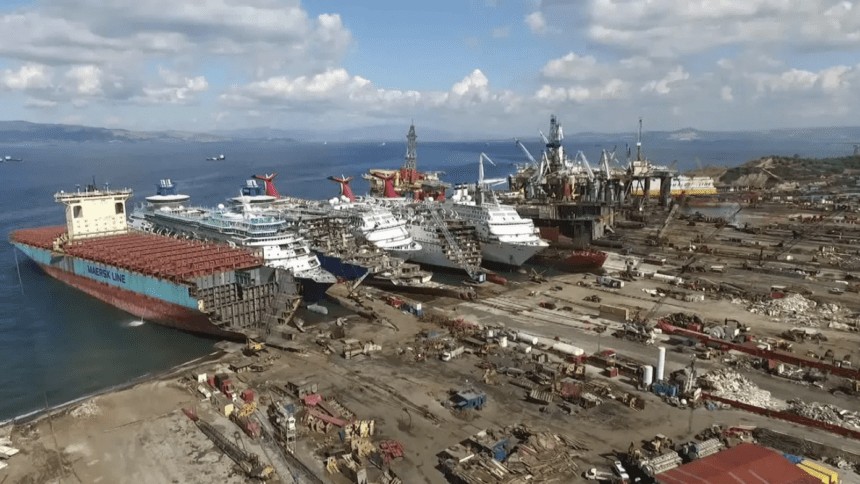
The NGO Shipbreaking Platform has released a new report titled Ship Recycling in Turkey: Challenges and Future Direction, offering one of the most detailed assessments to date of the environmental, technical and regulatory hurdles facing the ship recycling industry in Aliağa while also outlining a credible roadmap for transforming the sector into a global model for sustainable practices. The report arrives at a pivotal moment for Turkey, as major structural shifts in land ownership and regulatory oversight are creating both uncertainty and opportunity for long-needed reform.

According to the publication, Turkey’s ship recycling hub in Aliağa stands at a critical crossroads. This is driven in part by developments in October 2023, when plot sales were announced, and by the looming expiration of public land leases in 2026, which many experts view as a rare opening to reshape how the industry functions. These changes, the report argues, could allow authorities and stakeholders to implement new operational standards, enforce greater accountability and drive investment into cleaner, safer technologies. With these transitions underway, Turkey has a unique opportunity to move decisively towards a more sustainable and internationally respected ship recycling framework.
The report highlights that one of the most immediate concerns lies in the need to modernise operational infrastructure within the yards. Effective drainage systems, for instance, are still lacking in several facilities. Without proper channels to capture and direct wastewater, contaminants can seep into the soil and coastal waters, posing risks to both the environment and local communities. The NGO emphasises that the installation of reliable drainage networks must be paired with the use of oil-water separators capable of treating wastewater before it is discharged. This two-step approach is already standard practice in more advanced ship recycling nations and is considered essential for preventing pollution, especially during the dismantling of older vessels that may still contain hazardous fluids.
Another priority identified in the report is the verification and management of hazardous materials. Turkish yards have made progress over the years, but there is still no universal requirement for third-party verification during dismantling. Independent oversight, the NGO argues, is indispensable for ensuring that materials such as asbestos, PCBs, heavy metals and contaminated fuels are properly identified and removed before any cutting work begins. Without such oversight, workers remain exposed to unnecessary risks and hazardous waste may not be adequately treated or stored, increasing the likelihood of environmental contamination.
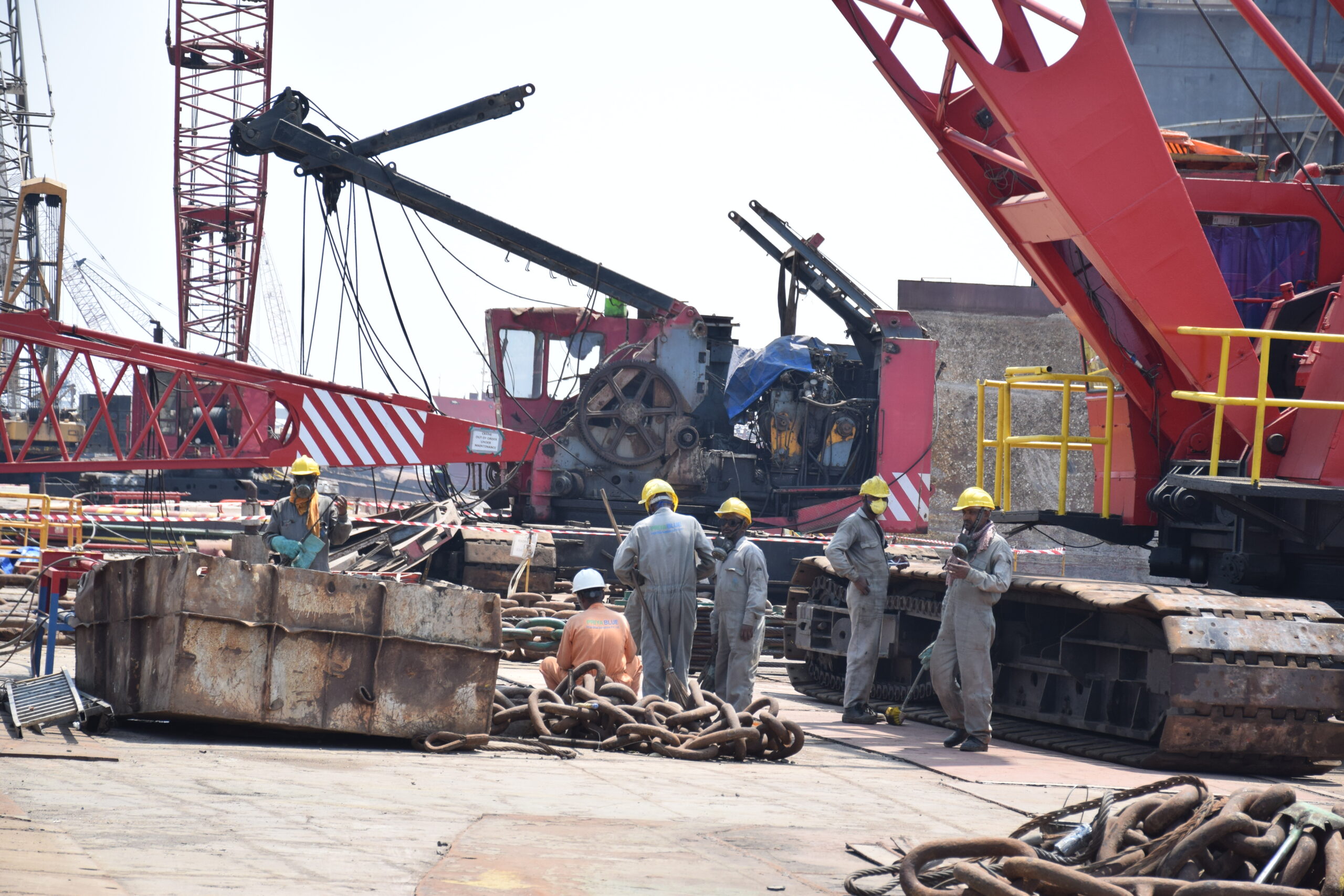
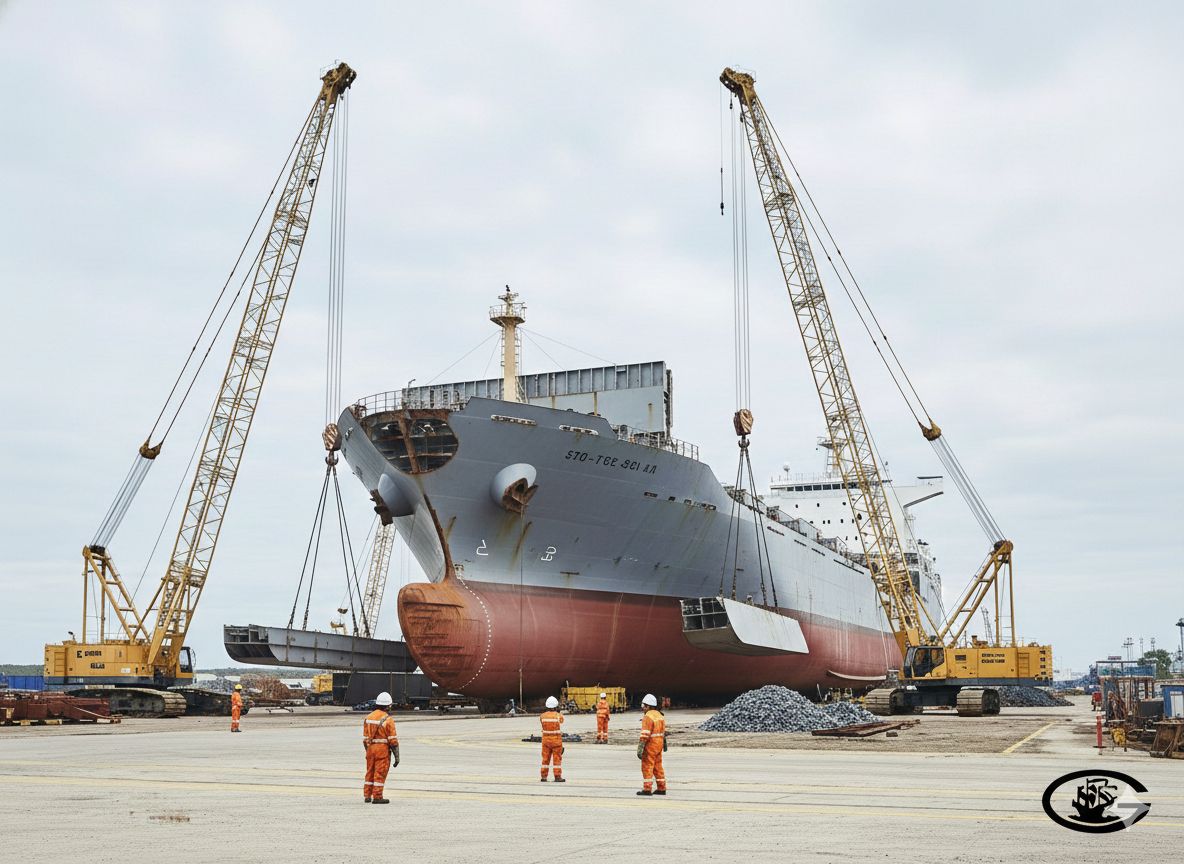
Along with improving hazardous waste handling, the report calls for clear standards on pulling and lifting equipment. Many yards still rely on outdated or inconsistent systems for manoeuvring heavy ship blocks, which increases the risk of accidents. Establishing uniform safety benchmarks for this equipment, the NGO writes, would reduce injuries and promote a more professional working environment. Similarly, the report calls for proper gas-free operations, which require vessels to be certified as free of flammable gases before cutting begins. This process, combined with a shift towards cold-cutting techniques, is viewed as essential for reducing fire and explosion risks—long-standing concerns in shipbreaking yards worldwide.
Environmental oversight also forms a central pillar of the report’s recommendations. A comprehensive Environmental Impact Assessment, or EIA, is described as necessary for ensuring that each yard’s operations are compatible with national environmental laws and international expectations. The EIA process, the NGO argues, should not be treated as a one-time formal requirement but as a continuous framework guiding licensing, monitoring and inspection. Such an approach would allow regulators to better track whether yards are adhering to waste management rules, pollution controls and occupational safety standards. The report further emphasises the need for consistent environmental monitoring not only within the yards but also across surrounding areas, including soil, water and air quality. By identifying pollution sources early, authorities can develop targeted remediation strategies and hold operators accountable.
A key component of the report relates to worker safety and health. Although Turkey has introduced several regulatory measures over the years, monitoring of occupational health remains limited. The NGO stresses that regular health assessments are necessary for understanding the root causes of injuries, long-term illnesses and work-related hazards. Such monitoring can highlight patterns across the workforce, from respiratory conditions linked to toxic fumes to musculoskeletal injuries caused by heavy lifting. These insights can then be used to design preventive measures, improve training programmes and strengthen enforcement of safety rules.
The report also draws attention to recent developments involving Turkey’s role under the EU Ship Recycling Regulation. Last year, two ship recycling yards in Aliağa were removed from the EU’s list of approved facilities, a move that reflected concerns over their compliance with environmental and safety standards. However, the NGO notes that other yards that do not meet EU requirements have still been allowed to remain on the list. This inconsistency, the report states, exposes weaknesses in the EU’s monitoring and approval system and underscores the need for more frequent and unannounced inspections. Such inspections should include cross-referencing hazardous waste records, reviewing operational logbooks and incorporating feedback directly from workers—whose firsthand experiences, the NGO believes, are often overlooked but essential for accurate assessments.
Recognising the influential role of the European Union in shaping global ship recycling practices, the report calls for strengthening the criteria used to evaluate and approve facilities. In particular, it recommends that the EU Ship Recycling Regulation expand its performance requirements to include clearer guidance on waste management, material recovery and steel recycling processes. By emphasising not just the safe removal of hazardous materials but also the efficient and environmentally responsible processing of recyclables, the EU can help steer the industry towards practices that align more closely with circular-economy principles.
Despite the challenges outlined, the NGO’s analysis is ultimately optimistic. Turkey has long been viewed as one of the more advanced ship recycling countries outside the EU, and its yards handle a significant share of the global recycling market. With strategic decisions imminent regarding land leases and licensing, the country is well-positioned to introduce reforms that would not only raise standards but also enhance its competitiveness. The report concludes that with coordinated action from Turkish authorities, yard operators, the EU and international stakeholders, Aliağa could become a benchmark for safe, clean and forward-looking ship recycling—demonstrating that economic efficiency and environmental responsibility can go hand in hand when supported by strong governance and modern infrastructure.

Author: shipping inbox
shipping and maritime related web portal