



India’s Ship Recycling Industry: Turning Dead Vessels into Steel- Jobs and a Blue Economy Opportunity
India quietly operates one of the most consequential recycling engines in the global economy. Far from the spotlight of high-technology manufacturing or headline-grabbing start-ups, the country’s ship recycling industry has emerged as a cornerstone of the Blue Economy, transforming end-of-life vessels into steel, employment and exports. With an estimated 33% share of the global ship-recycling market and an industry size of around ₹10,000 crore, India today plays a decisive role in closing the loop of the global maritime value chain.

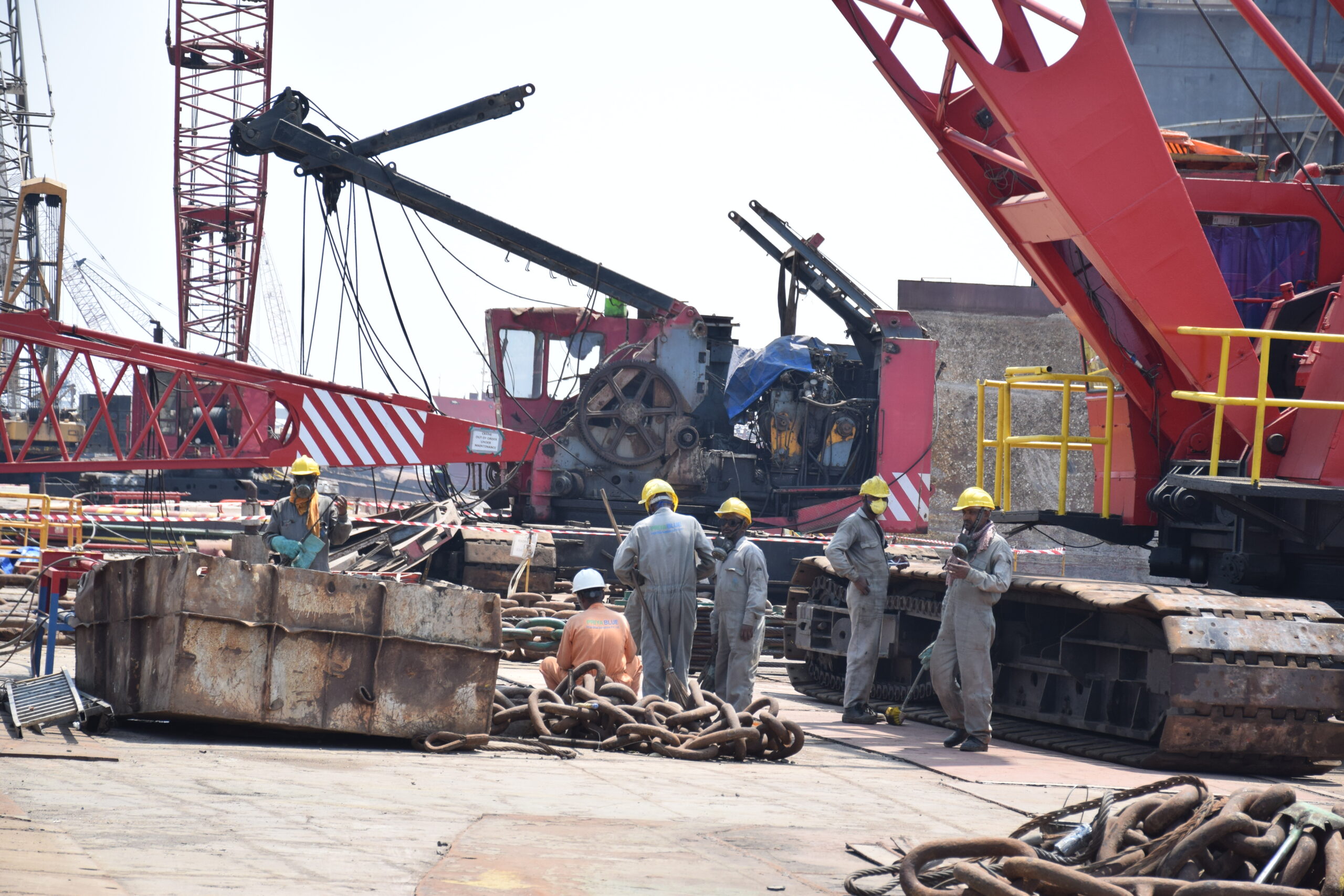
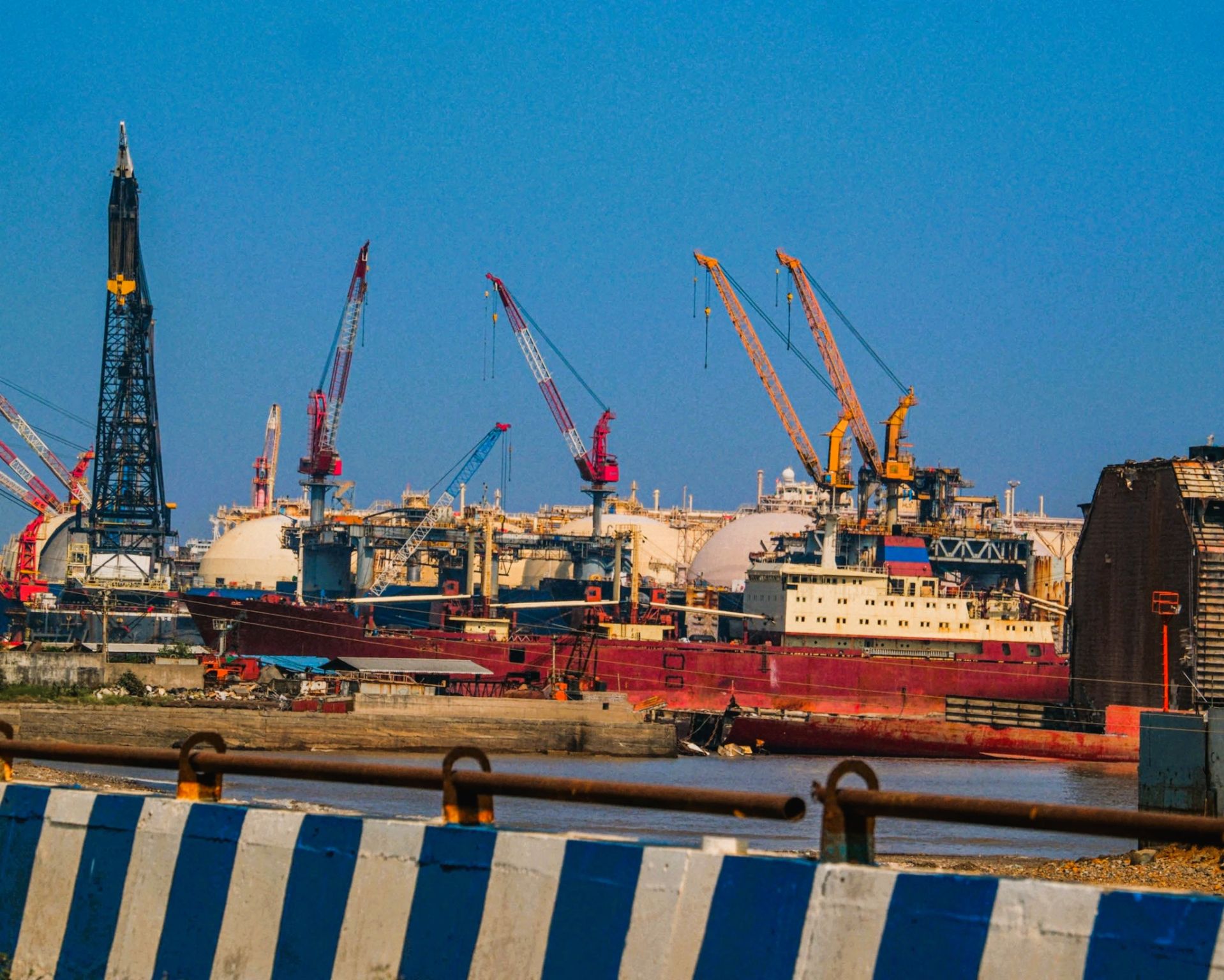
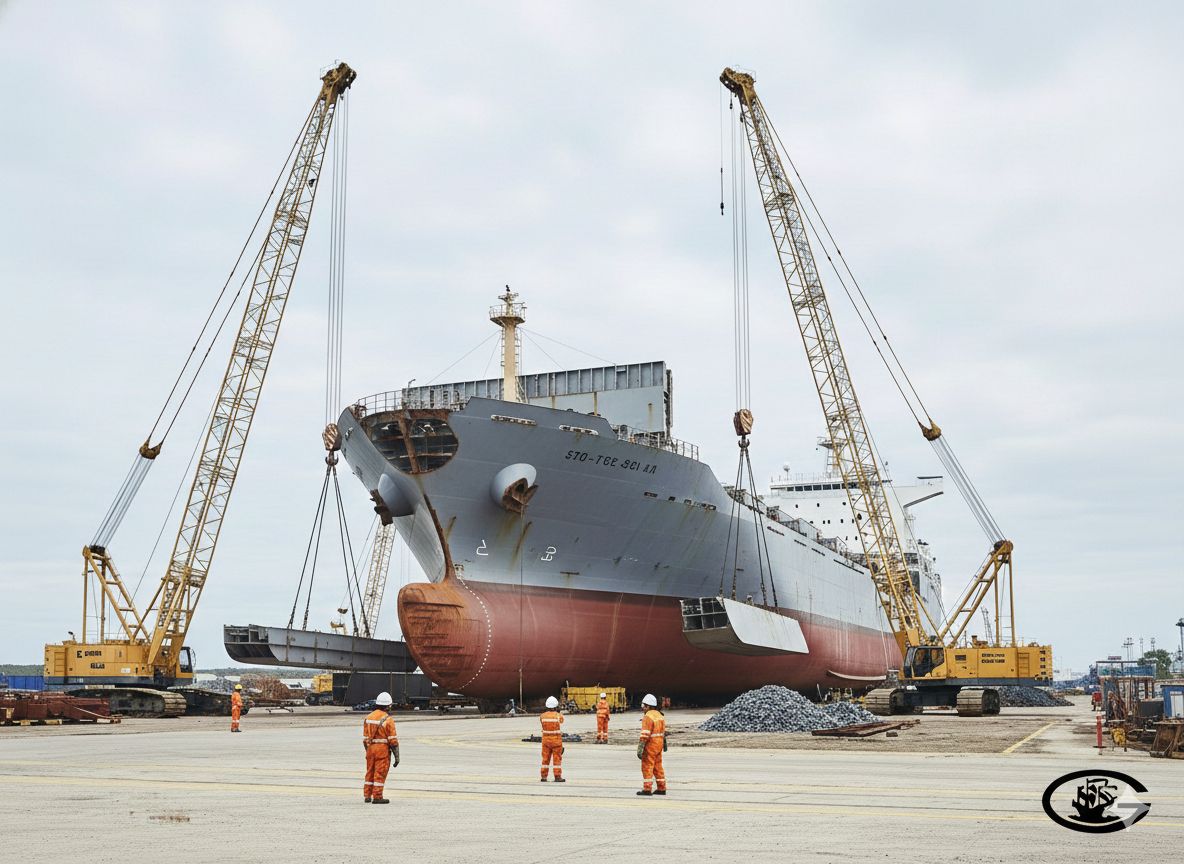
Ship recycling, often misunderstood as mere dismantling, is in fact a sophisticated industrial ecosystem. Every year, hundreds of ocean-going vessels — oil tankers, bulk carriers, container ships and offshore units — reach the end of their operational lives. Instead of becoming environmental liabilities, many of these ships are beached and dismantled in regulated yards, where their steel and equipment are recovered and reintroduced into the economy. In India, this process feeds directly into domestic steel supply, supports downstream manufacturing and sustains thousands of livelihoods along the coast.
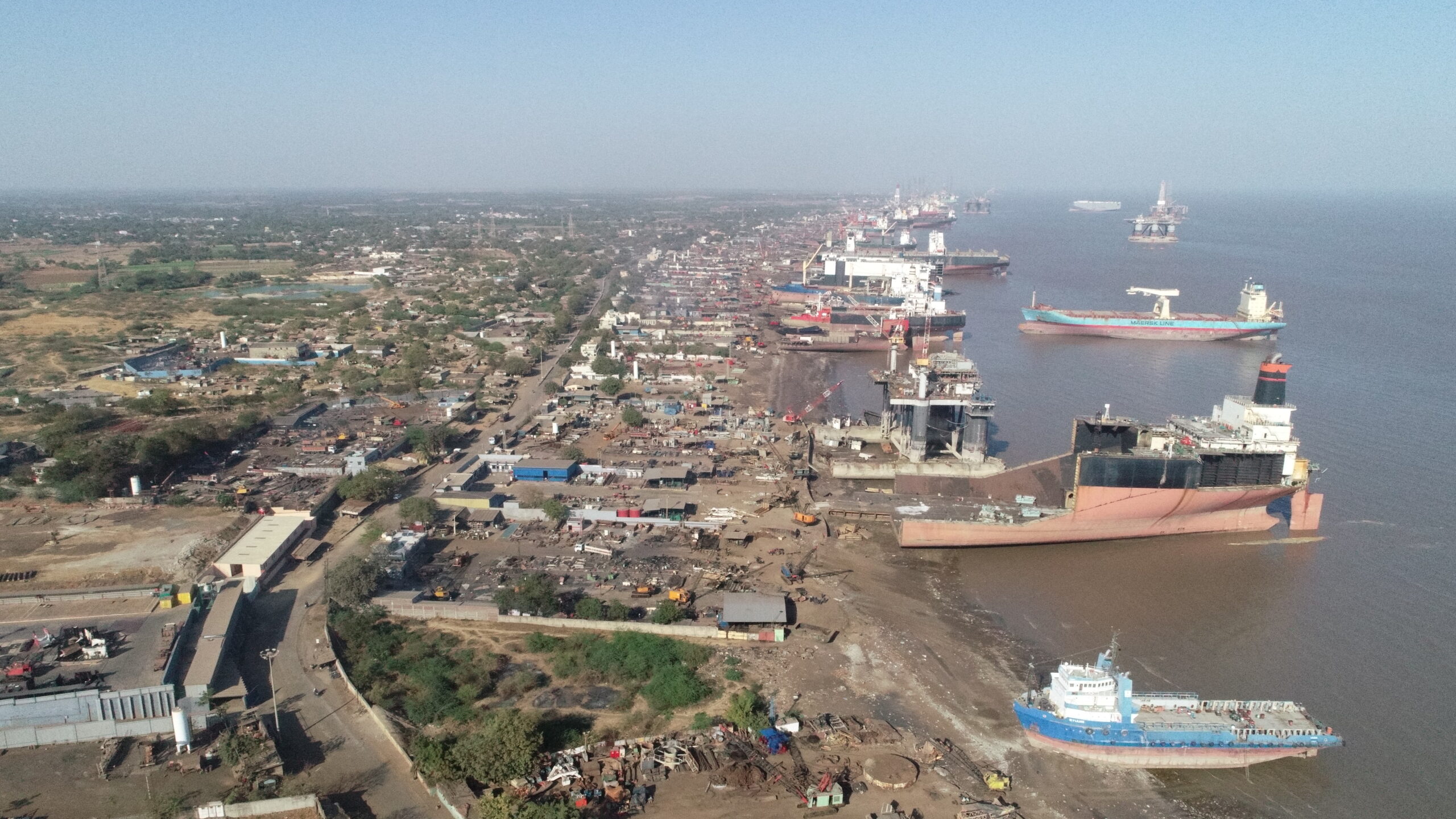
At the heart of this industry lies Alang in Gujarat, the world’s largest ship recycling cluster. Spread across a 10-kilometre stretch of coastline, Alang alone accounts for a substantial portion of India’s recycling capacity. Similar facilities in Maharashtra and Odisha further strengthen the country’s position. Together, these yards recycle millions of tonnes of steel annually, supplying raw material to re-rolling mills, construction projects and infrastructure development across the country.
The economic multiplier effect is significant. A single large vessel can generate employment for hundreds of workers, from cutters and crane operators to engineers, transporters and traders. Ancillary industries — including oxygen suppliers, equipment refurbishers and logistics providers — thrive around recycling hubs. For coastal regions with limited industrial diversification, ship recycling has become a crucial source of steady income and skill development.
From a macroeconomic perspective, the industry contributes to import substitution by reducing dependence on imported steel scrap. Recycled ship steel is particularly valued for its quality and consistency, making it suitable for structural use. At a time when global supply chains are under strain and commodity prices remain volatile, this domestic source of raw material enhances economic resilience.
Equally important is the industry’s alignment with the principles of the circular economy. Ship recycling exemplifies resource efficiency: old ships are dismantled, materials are recovered, and waste is minimised through reuse and resale. Equipment such as generators, pumps and navigation instruments often find second lives in other sectors. This closed-loop approach reduces pressure on natural resources while extending the value of existing materials.
However, the next phase of growth will be defined not just by scale, but by sustainability. Ship recycling has long faced scrutiny over worker safety and environmental impact. Hazardous materials such as asbestos, oil residues and heavy metals require careful handling. Recognising this, India has steadily strengthened its regulatory framework over the past decade.
The implementation of the Hong Kong International Convention for the Safe and Environmentally Sound Recycling of Ships (HKC), set to enter into force globally in June 2025, marks a turning point. Indian yards have invested heavily in compliant infrastructure — including impermeable floors, waste management systems, training programmes and medical facilities — to meet international standards. The government’s proactive role, through agencies such as the Gujarat Maritime Board, has been instrumental in upgrading oversight and enforcement.
These reforms are not merely about compliance; they are about competitiveness. As shipowners increasingly seek “green” recycling options to meet environmental, social and governance (ESG) expectations, compliant yards gain a decisive advantage. India’s early alignment with global norms positions it as a preferred destination for responsible ship recycling, particularly as some competing regions struggle to upgrade capacity.
Technology and innovation will further shape the sector’s future. Mechanised cutting, digital tracking of hazardous materials and improved worker training can enhance efficiency while reducing risk. Cleaner practices will also help the industry counter outdated perceptions and gain broader public acceptance.
India’s ship recycling story is, at its core, one of transformation — of vessels into value, waste into wealth and coastal labour into skilled employment. It demonstrates how industrial pragmatism, when guided by regulation and sustainability, can deliver economic and environmental dividends simultaneously.
As India charts its Blue Economy ambitions, ship recycling stands as a powerful, if understated, pillar. The challenge ahead is clear: to ensure that this ₹10,000 crore industry continues to grow responsibly. While scale has brought India global leadership, sustainability will ultimately decide the industry’s longevity and legitimacy in a changing world.

Author: shipping inbox
shipping and maritime related web portal