



India’s Hong Kong Convention-Compliant Ship Recycling Sector Ready to Support Regulated Solution for Shadow Fleet
GMS urges governments to establish a structured licensing window to address the growing Shadow Fleet safety risk

 The global maritime industry is increasingly vocal in calling for a lawful and environmentally responsible solution to the escalating risks posed by the Shadow Fleet. Senior industry leaders, including Evangelos Marinakis (Capital Group, Founder), Jan Dieleman (Cargill CEO), Lars Barstad (Frontline CEO), and others, have recently emphasized the urgent need to allow sanctioned vessels to be recycled safely under regulated frameworks.
According to analysis from maritime data specialist Lloyd’s List Intelligence, the shadow fleet of older, often uninsured tankers operating outside Western oversight now numbers over 1,400 vessels. Separately, a 2025 maritime safety and marine-insurance risk review estimates that around 17% of the world tanker fleet now belongs to the shadow fleet.
GMS, the world’s largest buyer of ships for recycling, welcomes this shift. For many months, GMS has been advocating with policymakers, including direct outreach to the United States, to highlight why responsible recycling is the only practical and safe option.
“Regulators cannot ignore this issue,” said Dr. Anil Sharma, Founder and CEO of GMS. “There are ageing and dangerous vessels operating on the world’s oceans today. Ignoring them does not make them disappear. These ships must be removed responsibly through safe and legal recycling channels.”
GMS highlights that compliant cash buyers and yards exist, fully capable of recycling such vessels in accordance with global environmental and safety norms. USD-based banking channels are well established for transparent transactions, ensuring complete regulatory visibility for authorities.
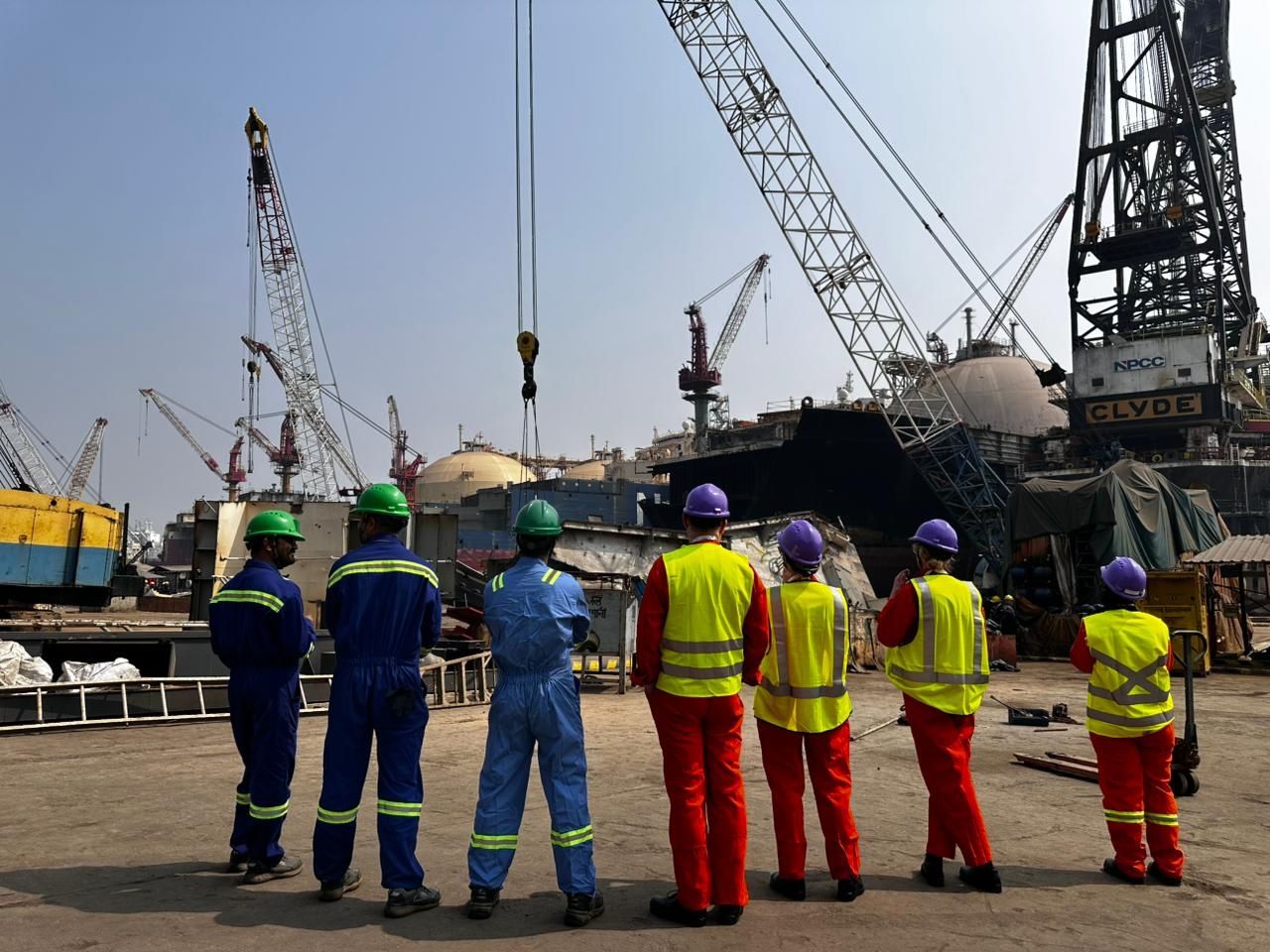
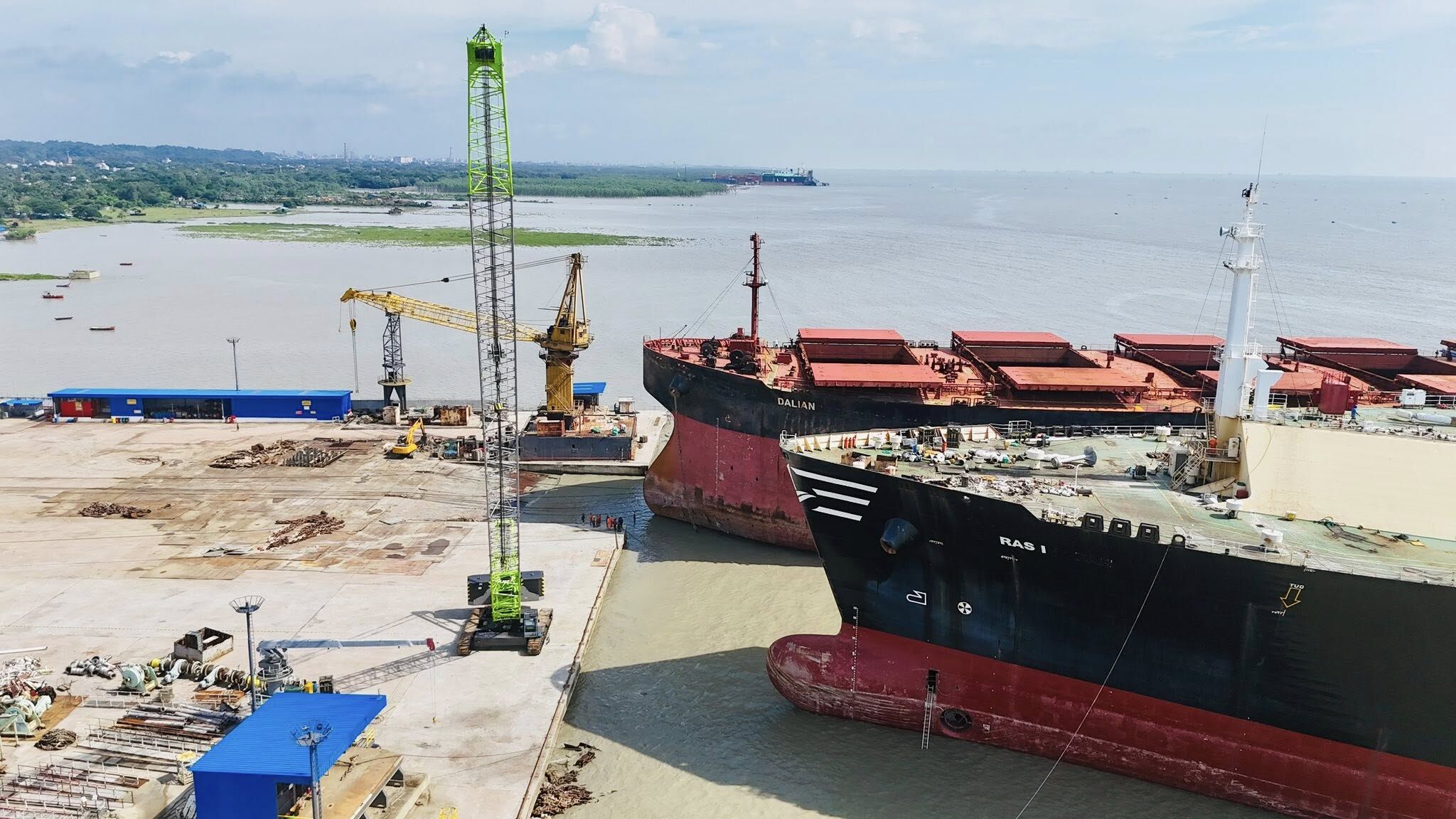
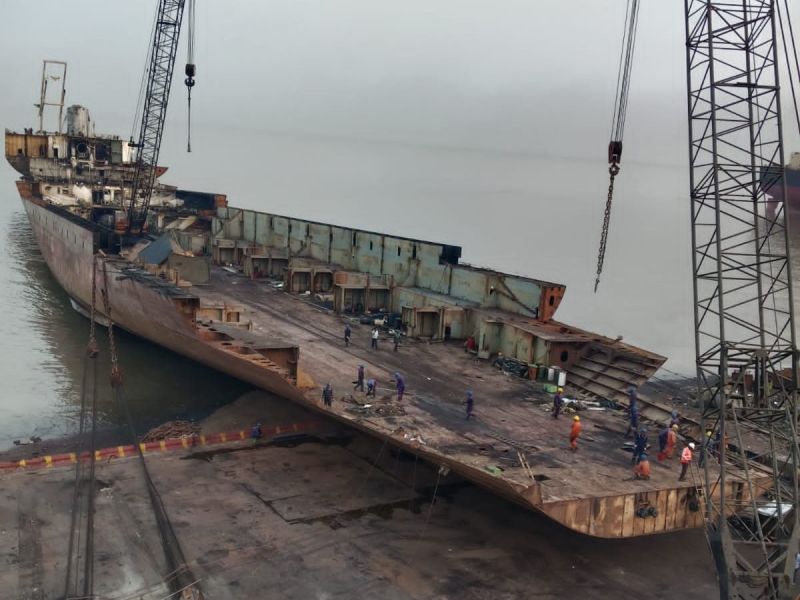
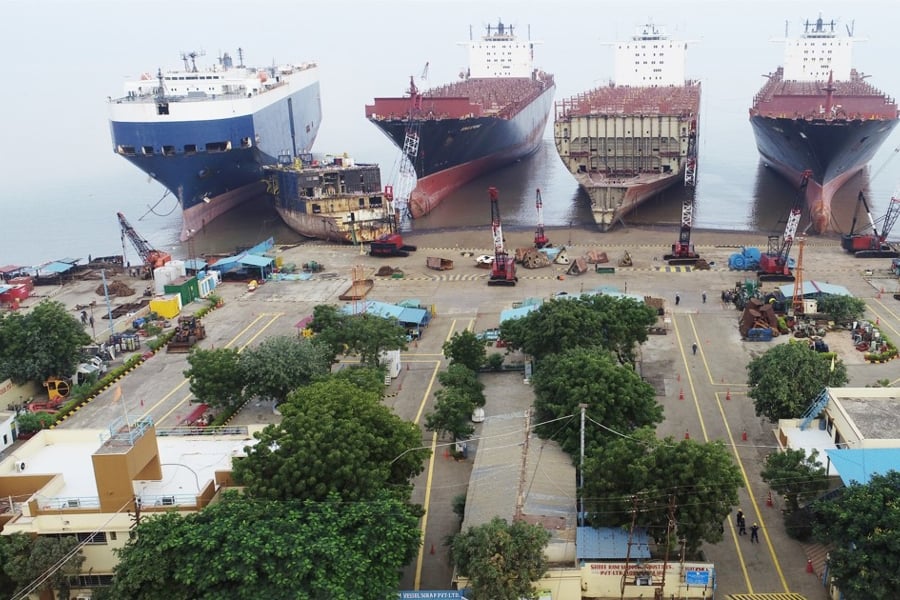
India is well positioned to support a regulated and environmentally sound pathway. The Hong Kong Convention entered into force on 26 June 2025, and India has already operationalised its ship recycling compliance framework. India now has more than 110 Hong Kong Convention-compliant ship recycling yards.
In the current subdued recycling market, where global recycling volumes have been among the lowest in years, a structured licensing window would help keep upgraded Indian capacity productively utilised, sustaining employment and supporting the wider downstream ecosystem, including re-rolling, logistics, equipment reuse and associated services.
Dr. Sharma called upon the United States, the United Kingdom, and European governments to establish a structured licensing mechanism enabling such vessels to be recycled under strict oversight.
On 18 December 2025, the EU imposed restrictive measures on an additional 41 vessels linked to the Russian shadow fleet, bringing the total designated vessels to almost 600.
GMS proposes a six-month window to evaluate the success of this program. Authorities would retain complete control over monitoring, transaction visibility, and the implementation of any penalty or restriction mechanisms deemed necessary.
“We encourage all maritime bodies, IMO, ICS, Intertanko, Intercargo, BIMCO and others, to support this initiative. A responsible path exists. It is time to use it,” Dr. Sharma said.

Author: shipping inbox
shipping and maritime related web portal