



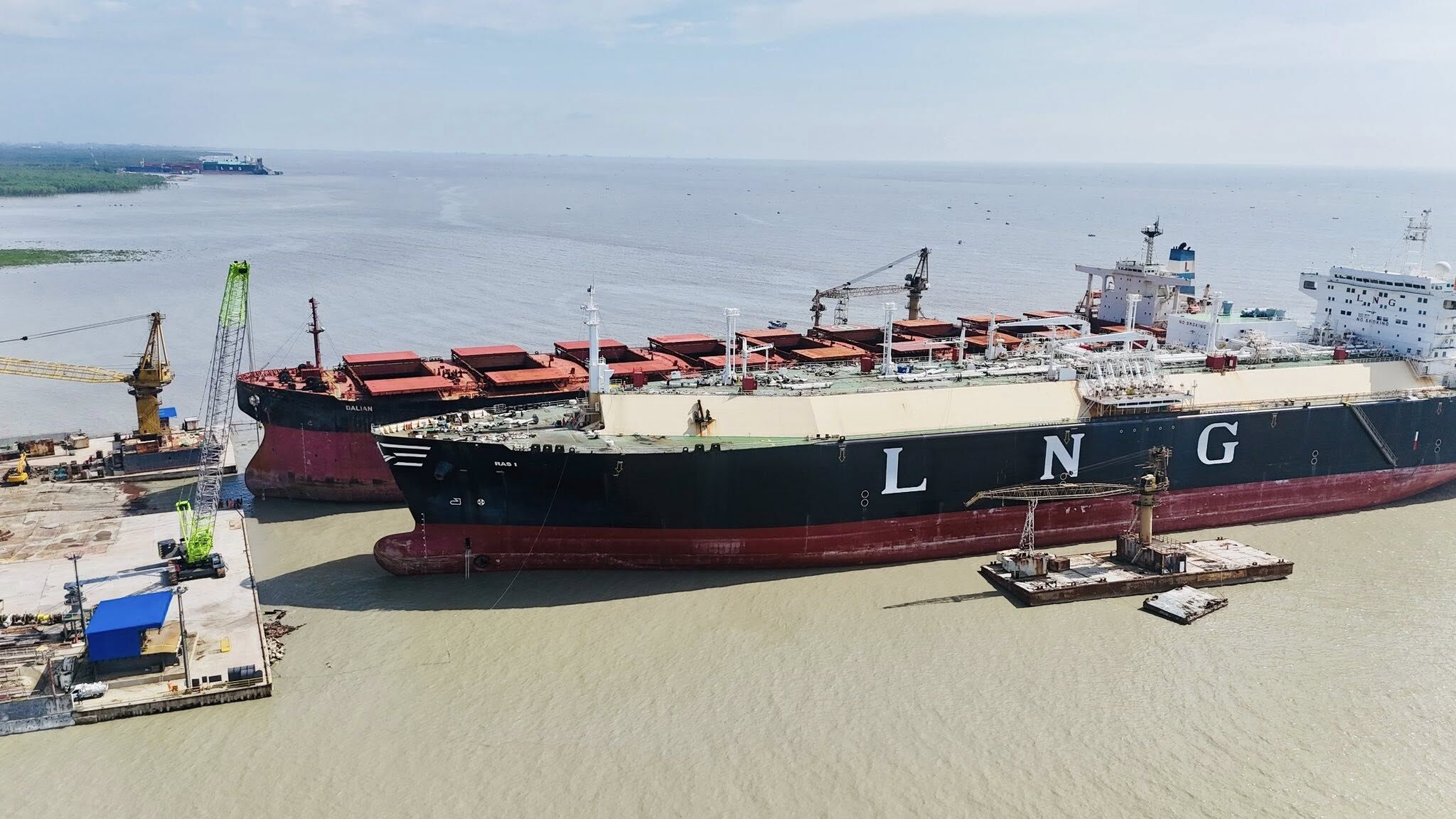
Indian Ship Recycling Roars Back as Steel Safeguards Lift Alang to Regional Price Leader: STAR ASIA
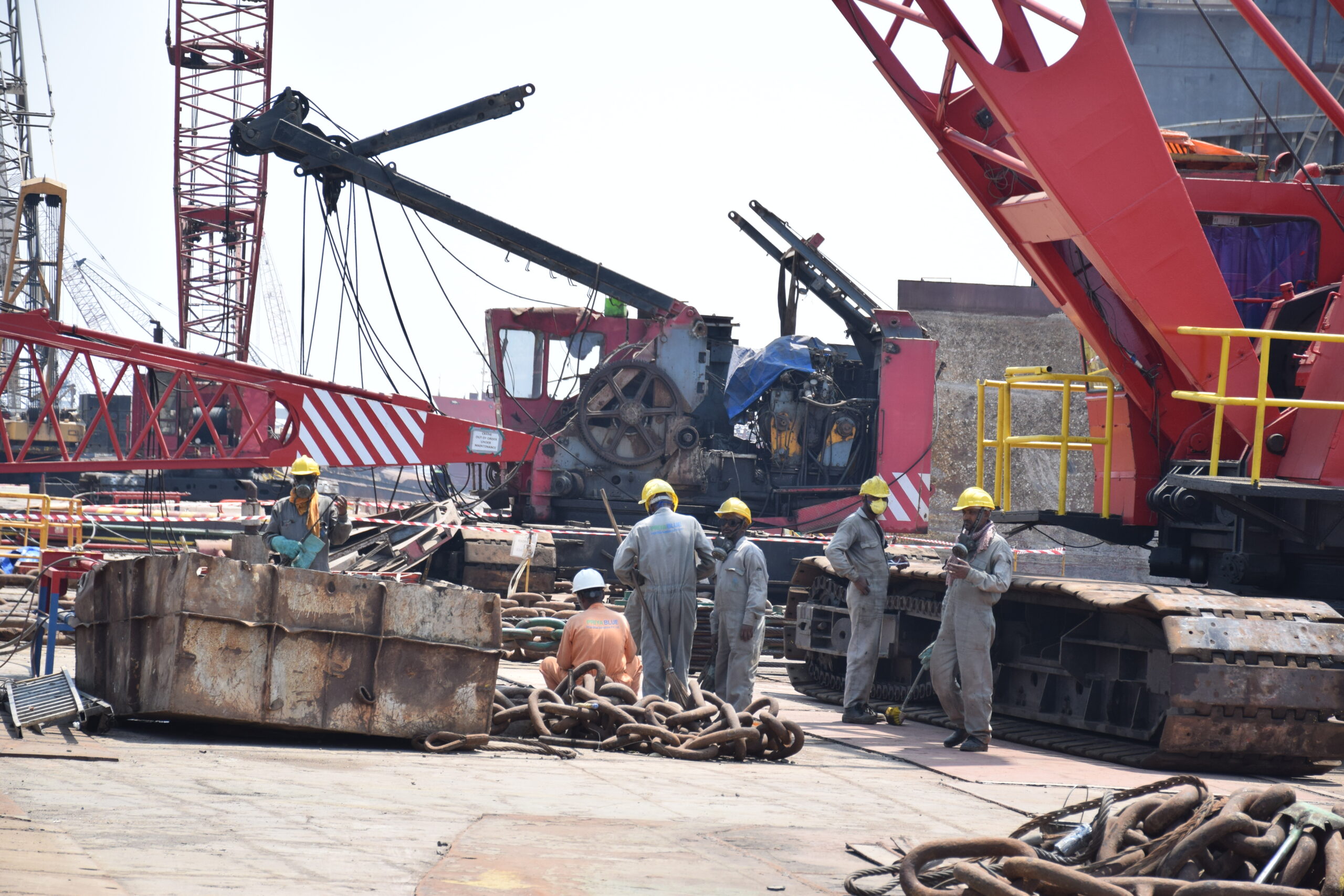
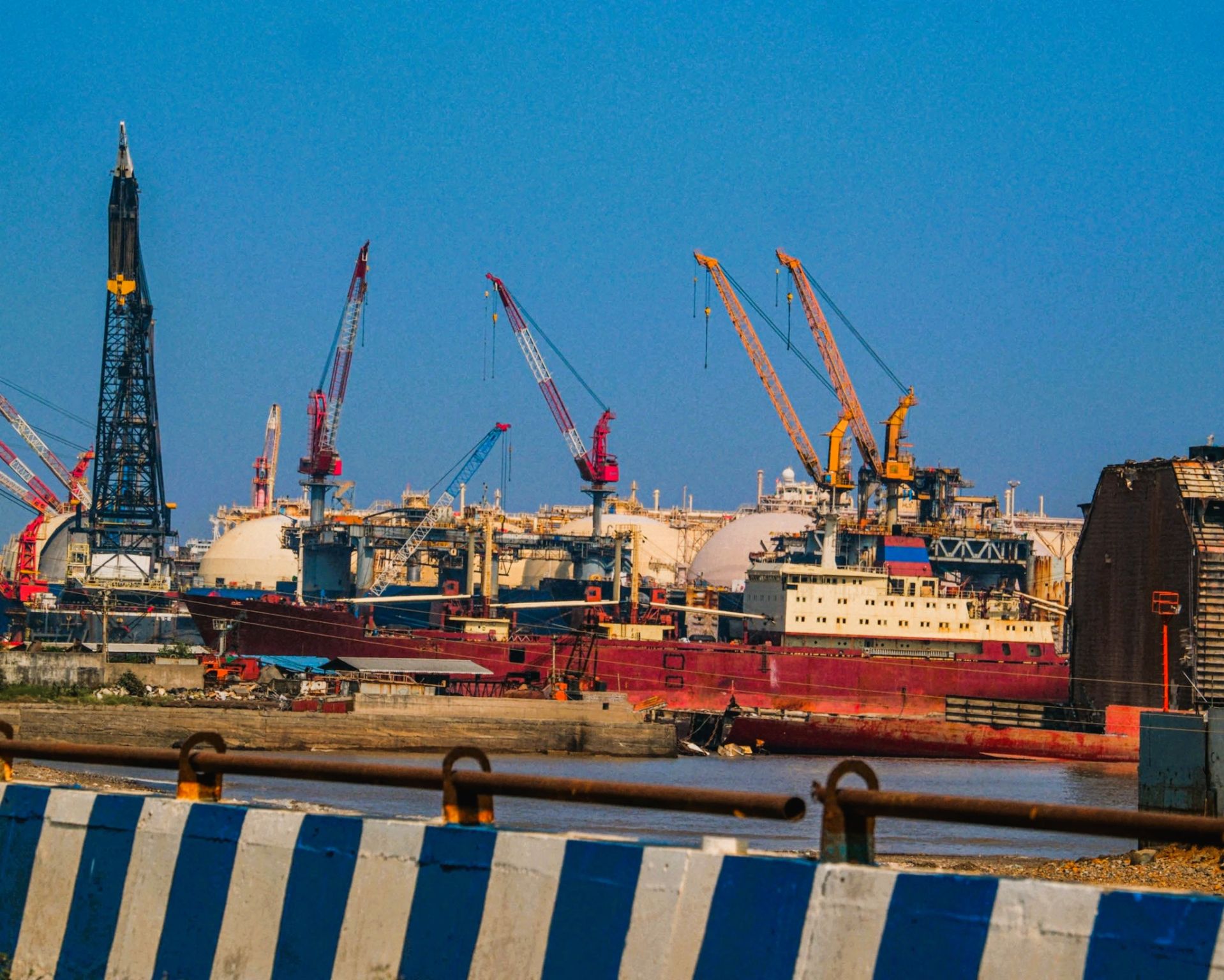
Cash Buyer for Ships sending for recycling, STAR ASIA in their weekly ship recycling market report opined that the Indian ship recycling industry has entered 2026 on a markedly stronger footing, with Alang reclaiming its position as the most competitive destination in the subcontinent amid a sharp upswing in domestic scrap and steel plate prices. A key catalyst behind this resurgence has been the Indian government’s decision to impose a multi-year safeguard duty on steel imports, a move that has insulated domestic producers from low-priced overseas material and significantly improved demand for recycled steel.

Market participants say the policy intervention has had an immediate and tangible impact. Local steel plate prices have surged, driving recycler confidence at Alang even as vessel arrivals remain limited in the opening weeks of the year. With sentiment turning decisively bullish, India has emerged as the clear frontrunner in regional ship recycling price rankings, outpacing neighbouring Bangladesh and Pakistan and widening the gap with Turkey.
Alang buoyed by policy-driven momentum
The safeguard duty—introduced at around 12% on selected steel imports and set to taper gradually over the coming years—has altered market dynamics almost overnight. By curbing the inflow of cheaper foreign steel, the measure has redirected demand toward domestically produced material, including plates derived from recycled vessels. According to industry estimates, local steel plate prices in India have risen by US$36 per metric tonne in the latest week alone, contributing to a cumulative three-week gain of roughly US$52/MT.
This rally has translated directly into stronger recycling prices. Indicative levels at Alang now stand at approximately US$410 per lightweight tonne (LDT) for bulk carriers, US$430/LDT for tankers and up to US$440/LDT for container vessels—placing India firmly at the top of the regional price board. In just one week, prices reportedly climbed by nearly US$30/LDT, an unusually sharp move that underscores the strength of the underlying demand.
Despite this positive backdrop, activity on the ground remains relatively subdued. Early January has seen only a handful of vessels anchoring off Alang, reflecting the typically slow post-holiday period as well as owners’ reluctance to commit tonnage amid volatile freight markets. According to anchorage data for January 2026, the general cargo vessel Emano 11 (2,556 LDT), which arrived on January 2, and the tanker Bodhi (16,294 LDT), which arrived on January 9, are both awaiting beaching.
Nevertheless, recyclers remain optimistic. “Even with limited arrivals, the fundamentals are clearly supportive,” said a local recycler. “Domestic steel demand is firm, inventories are manageable, and the safeguard duty has changed expectations for the entire year.”
Bangladesh struggles to regain momentum
In contrast to India’s resurgence, the ship recycling market in Bangladesh has faced a challenging start to 2026. Chattogram, which was among the most aggressive buyers in late 2025, is now grappling with the aftermath of a significant price correction. Local bidding levels have fallen by around US$50/LDT over the past quarter, leaving Bangladeshi buyers trailing their Indian counterparts and struggling to compete for international tonnage.
Domestic steel demand in Bangladesh is described as flat, reflecting broader economic headwinds and political uncertainty ahead of upcoming national elections. Plate prices in Chattogram edged down by about US$2/MT this week, while rebar prices remained steady at approximately US$638/MT (BDT 78,000). Against this backdrop, recyclers have adopted a cautious, “wait-and-see” approach.
Indicative offers currently hover around US$380/LDT for bulkers and US$410/LDT for containers, levels that many owners consider uncompetitive given the stronger pricing available in India. Anchorage data shows modest activity, with the tanker Vigo (17,740 LDT) awaiting beaching, while the general cargo vessel Gold Origin (2,485 LDT) and the bulker Victor (6,086 LDT) were beached earlier in January.
Industry observers note that Bangladesh’s longer-term prospects remain tied to structural improvements rather than short-term price movements. The ongoing upgradation of yards to meet Hong Kong Convention (HKC) standards, combined with a potential stabilisation of the domestic political environment, could eventually help restore confidence and demand. For now, however, the market remains subdued.
Pakistan takes a symbolic step forward
Pakistan’s ship recycling sector has entered the new year with renewed ambition, marked by the historic inauguration of the country’s first HKC-certified recycling facility at Gadani in January 2026. While the development has yet to translate into a surge in vessel arrivals, it represents a significant milestone in Pakistan’s efforts to modernise its recycling industry and attract compliance-focused tonnage.
Domestic steel prices in Pakistan have remained largely range-bound, with shredded scrap equivalent indicated at around US$463/MT (PKR 130,000). Recyclers are keeping a close eye on global scrap markets, which have shown early signs of firming, while local steelmakers continue to lobby the government to address competition from duty-free imports entering through northern borders.
Despite these challenges, macroeconomic conditions offer some encouragement. National inflation has eased to about 5.6%, providing a more stable operating environment for recyclers. Combined with the government’s stated focus on infrastructure upgrades and environmental compliance at Gadani, Pakistan appears to be positioning itself to capture a larger share of global recycling volumes later in the year, once market conditions improve.
Turkey steady but secondary
Aliaga, Turkey, continues to play a secondary role in the global ship recycling market, particularly when compared with the price levels seen in the Indian subcontinent. Current recycling prices are holding at around US$270/LDT for bulkers and US$290/LDT for containers, making Aliaga primarily a destination for regional owners or vessels that prioritise regulatory compliance over headline price.
That said, Turkey’s ferrous scrap market remains relatively active. Recent deals for US-origin imported scrap were concluded at US$371–372 per tonne CFR, reflecting steady demand from steel mills despite a seasonal slowdown in domestic construction activity. Market participants suggest that winter conditions and project delays have dampened near-term steel consumption, but scrap sellers remain confident about price gains later in the year.
Macro indicators support India’s lead
Broader market indicators further underline India’s current advantage. Exchange rate movements have been relatively benign, with the Indian rupee marginally strengthening week-on-week against the US dollar, easing some cost pressures for recyclers. Bunker prices, while volatile globally, remain manageable in key hubs, supporting trading and recycling economics.
In the wider ferrous scrap landscape, India has clearly emerged as the regional leader at the start of 2026. The combination of policy support, rising steel prices and limited competition from imports has created a virtuous cycle for domestic recyclers. By contrast, Bangladesh continues to adjust to lower price levels, Pakistan is laying the groundwork for future growth, and Turkey maintains steady but comparatively lower activity.
Outlook for the first quarter
As the first quarter unfolds, market participants expect India’s bullish momentum to persist, provided steel prices remain firm and the safeguard duty continues to protect domestic producers. While vessel arrivals may remain sporadic in the near term, confidence among Alang recyclers is noticeably stronger than at the end of last year.
For owners, the widening price differential across regions is likely to influence recycling decisions, potentially diverting more tonnage toward India if freight markets soften and demolition candidates increase. For policymakers, the early success of the safeguard duty underscores the impact of targeted trade measures on domestic industries.
Overall, the opening weeks of 2026 have set a clear tone: India is back in the lead, Bangladesh is recalibrating, Pakistan is modernising, and Turkey remains steady. In an industry shaped by steel prices, regulation and geopolitics, Alang’s resurgence stands out as one of the most significant early developments of the year.

Author: shipping inbox
shipping and maritime related web portal