




India Leads a Divided Week for South Asian Ship Recycling: Best Oasis
World’s leading cash buyers for ships sending for recycling, BEST OASIS in their weekly ship recycling report opined that, the South Asian ship recycling markets displayed a mixed but telling set of trends this week, with India emerging as the most stable and promising destination for end-of-life tonnage, while Bangladesh, Pakistan, and Türkiye continued to grapple with subdued sentiment and weak domestic fundamentals.

Although steel prices and currency movements remained broadly steady across the region, the appetite for new vessel acquisitions was shaped largely by local economic conditions, purchasing power, and the ongoing shifts in raw material sourcing. In India, the market firmed notably after weeks of fluctuation, supported by a modest but welcome improvement in local steel sentiment. Recyclers reported a healthier buying appetite, especially for mid-sized vessels, reflecting a gradual return of confidence among yards that had been cautious due to currency volatility and shifting steel prices.
The latest round of trade discussions between India and the United States has helped ease concerns surrounding currency stability, with expectations of a stronger Indian rupee offering better liquidity for buyers already committed to ongoing projects. While buyers remain vigilant and selective, the overall mood is more positive than in the past two weeks. Many recyclers are signaling readiness to evaluate fresh tonnage, especially as local mills indicate stable absorption capacity. The prices for imported scrap—HMS 1&2 at USD 350 per tonne and shredded scrap at USD 360—remained unchanged week-on-week, reinforcing a sense of stability. Recycling rates also held firm, with containers fetching around USD 415 per LDT, tankers at USD 402, and bulkers at USD 386. This consistency, combined with improving liquidity prospects, is seen as a strong foundation for near-term market activity.
In contrast, Bangladesh continues to face a tough market environment. Only a limited pool of financially capable buyers remains active, with most recyclers unwilling to commit to new tonnage without clearer market direction. Demand for smaller vessels is virtually absent, and although some interest persists for mid- to large-sized units, purchasing remains highly selective. Broader economic challenges—ranging from weakened steel consumption to restricted financing—continue to weigh heavily on buyer sentiment. Despite the winter season, which traditionally boosts construction activity and steel demand, local mills in Bangladesh have shown no meaningful increase in consumption. End users remain cautious, keeping inventories low and delaying major purchases. The trend of mills shifting toward cheaper sponge iron imports from India underscores the market’s struggle to absorb higher-priced recycled steel. With HMS 1&2 and shredded scrap prices unchanged at USD 355 and USD 365 respectively, recyclers have little room to expand margins or take additional risks. Delivery prices for recycling also remain soft, with containers at USD 440 per LDT, tankers at USD 430, and bulkers at USD 395.
Pakistan showed little deviation from previous weeks, with the market largely stagnant and buyers hesitant to commit amid persistent uncertainty. For several consecutive weeks, sentiment has remained subdued as local yards wait for stronger direction from the steel and currency markets. Economic pressures, limited working capital, and fluctuating demand continue to restrict the capacity of Pakistani buyers to engage in new acquisitions. Scrap prices held steady—HMS 1&2 at USD 355 per tonne and shredded at USD 365—while recycling rates for containers, tankers, and bulkers stood at USD 415, USD 400, and USD 390 per LDT, respectively. With no clear signs of immediate improvement, buyers are expected to maintain a conservative stance.
Meanwhile, Türkiye’s ship recycling market remained stagnant, mirroring trends from previous weeks with no fresh activity or shifts in sentiment. Local recyclers report steady but subdued conditions, with steel demand offering no support for improved pricing or aggressive buying. Shredded scrap prices rose slightly by 0.81% to USD 375.50 per tonne, but the increase has not translated into greater vessel demand.
Recycling rates remain unchanged: containers at USD 280 per LDT, tankers at USD 270, and bulkers at USD 260. The market continues to move in routine fashion, with no indicators suggesting a shift in direction in the near term. Currency movements across key recycling nations also influenced market sentiment.
The Indian rupee weakened slightly to 89.69 against the U.S. dollar, while the Bangladeshi taka dipped marginally to 122.42. Pakistan’s rupee remained almost unchanged at 282.04, and the Turkish lira slipped to 42.37. Although the changes were minor, they contributed to cautious buying behavior across the region.
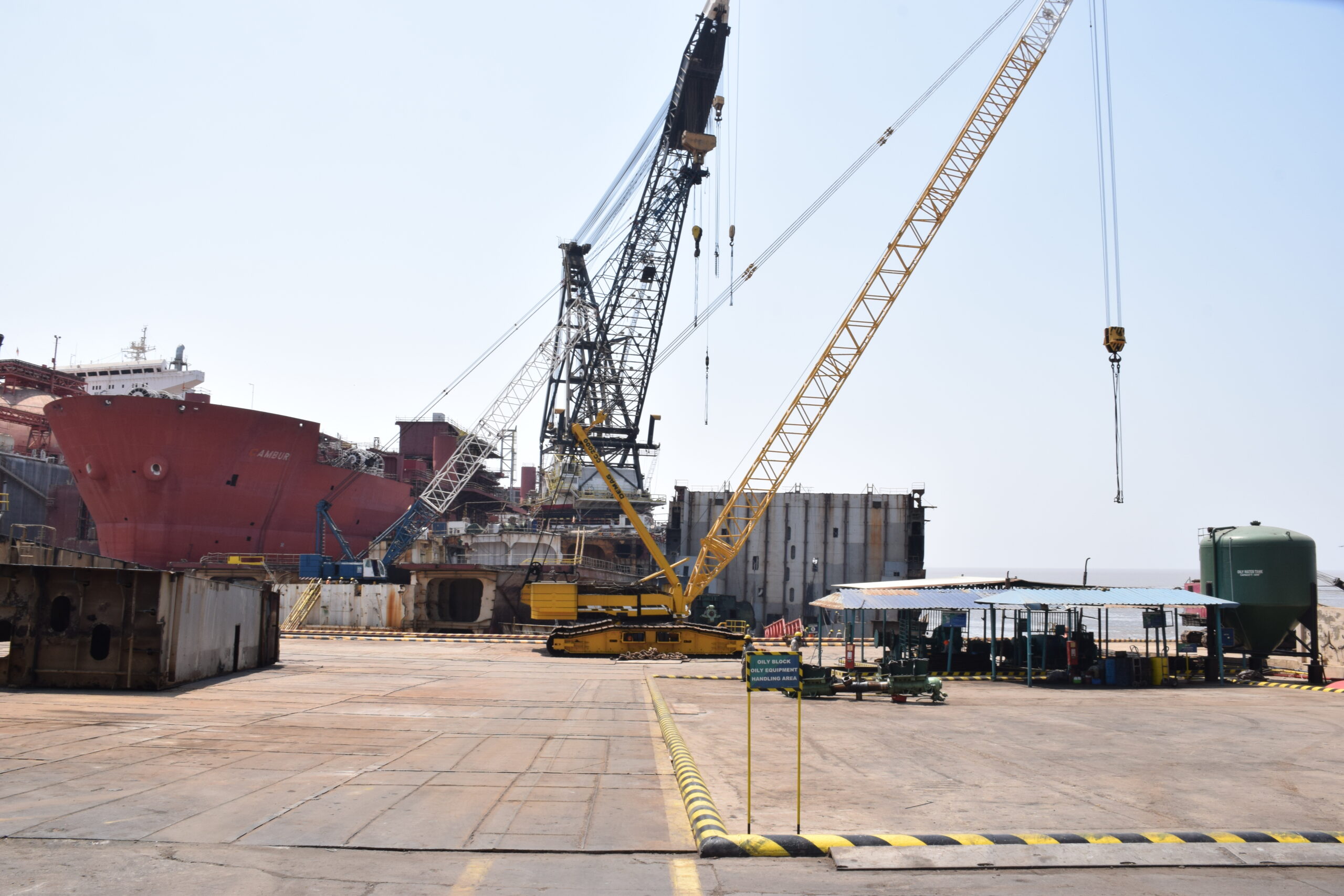
Despite muted activity, a handful of vessel sales were concluded this week. The motor tanker New Progress (2,139 LDT) and the bulker Fu Ocean (21,338 LDT) were delivered to Chittagong, Bangladesh at undisclosed prices, underscoring continued, albeit selective, interest among Bangladeshi buyers. India secured the Kai De Star, a reefer vessel of 2,665 LDT, delivered to Alang. The bulker Victoria 3 (6,086 LDT) was sold on an “as-is Singapore” basis, also at an undisclosed price.
With India showing renewed firmness and other regional markets lagging, the landscape for ship recyclers remains divided. As the year progresses, the next key drivers will likely include global steel demand trends, currency stability, and the availability of attractive tonnage. For now, India stands as the most robust option for owners seeking to sell, while Bangladesh, Pakistan, and Türkiye wait for the economic winds to shift in their favor.

Author: shipping inbox
shipping and maritime related web portal