




Hong Kong Event Highlights Rising Opportunities and Urgent Needs in Sustainable Ship Recycling
The global finance and investment community in Hong Kong was briefed on the expanding opportunities and immediate challenges in sustainable ship recycling during a high-level event held on 18 November as part of Hong Kong Maritime Week 2025. Organized by the International Maritime Organization’s SENSREC Project, the session brought together experts from Norway, Bangladesh, Pakistan, BIMCO, the International Labour Organization (ILO), and Hong Kong’s banking and finance sector to discuss market trends and regulatory changes shaping the future of ship recycling. The discussion came at a crucial moment, following the entry into force of the Hong Kong International Convention for the Safe and Environmentally Sound Recycling of Ships (Hong Kong Convention) in June 2025.

Speakers at the event underscored that the global maritime industry is entering a pivotal phase where responsible ship recycling is not just a regulatory obligation but a core component of a sustainable Blue Economy. With large numbers of vessels expected to reach the end of their operational lifespan in the coming years, experts said the sector must rapidly scale up safe, environmentally responsible recycling capacity. This shift is essential to securing valuable materials, ensuring safe handling of hazardous waste, and reducing the environmental footprint of the global fleet renewal process.
According to experts, responsible ship recycling plays a fundamental role in supporting circularity within the maritime value chain. As shipping companies prepare to retire older vessels in favour of modern, low-carbon alternatives, the need for sustainable dismantling practices becomes increasingly urgent. The industry’s transition to cleaner fleets depends not only on new shipbuilding but also on properly managing the large wave of end-of-life tonnage expected over the next decade. Ensuring that shipbreaking yards meet high environmental and safety standards, they said, is central to this transformation.
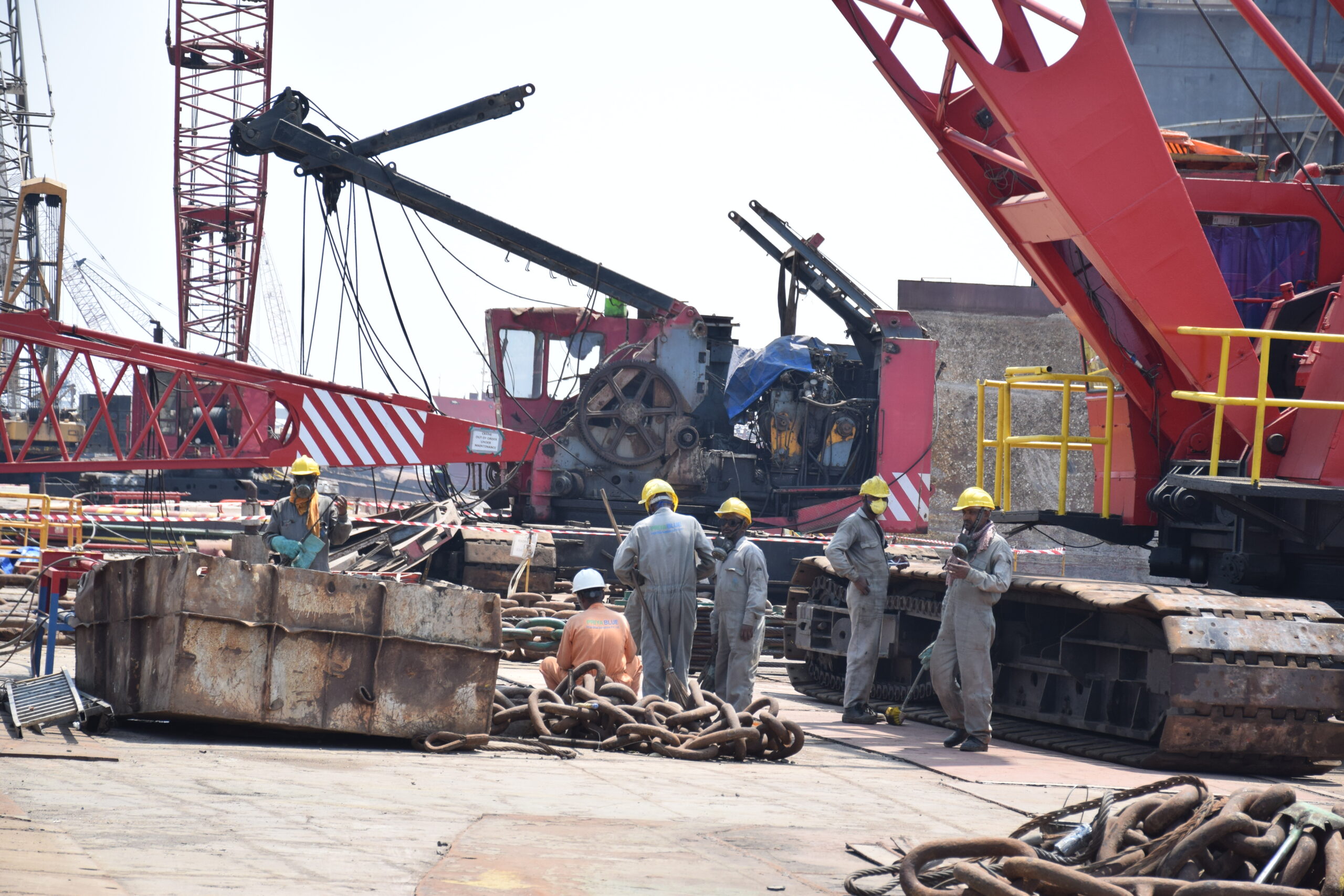
The event also reviewed the current progress in South Asia, which remains the world’s leading destination for ship recycling. Presentations highlighted years of gradual but notable improvements, particularly in worker safety, waste management, and environmental monitoring in key recycling hubs. Officials pointed out that India, Bangladesh, and Pakistan collectively handle the majority of global ship recycling, making their role indispensable to the global strategy for safer and greener dismantling practices.
Representatives from Bangladesh and Pakistan stressed the need for accelerated research and investment in modern technologies to support safer recycling operations. They called for new engineering solutions, mechanization, and innovations that minimize human exposure to high-risk processes traditionally carried out manually. In addition, they emphasized the importance of expanding sector-specific infrastructure, including more robust road networks and specialized Treatment, Storage, and Disposal Facilities (TSDFs) for hazardous materials extracted from ships. Such facilities, they noted, are vital for managing asbestos, oils, chemicals, and other waste streams in full compliance with the Hong Kong Convention.
A significant milestone was also highlighted during the discussions. In November 2025, Pakistan recorded a historic achievement when one of its ship recycling yards became the country’s first facility to secure full compliance with the Hong Kong Convention. Bureau Veritas issued the Statement of Compliance on 24 November, marking a major step forward for Pakistan’s ship recycling sector, which has been steadily working to improve safety and environmental standards. Experts at the forum said this development signals Pakistan’s readiness to participate more actively in the global market for convention-compliant ship recycling.
Throughout the event, speakers reiterated that the tightening regulatory environment should not be seen simply as a challenge but as a major investment opportunity. With global demand rising for greener recycling practices, financiers and investors were urged to explore sustainable finance mechanisms tailored to the ship recycling industry. From upgrading yard infrastructure to developing environmentally sound waste management systems, the sector presents a wide range of openings for green investment aligned with international climate and sustainability goals.
ILO representatives emphasized that worker protection must remain at the centre of all investment and modernization efforts. They highlighted that safe ship recycling cannot be achieved without addressing labour conditions, enforcing proper training, and ensuring workers have access to protective equipment and emergency services. According to the ILO, integrating worker welfare into financial decision-making is essential for building a truly sustainable industry.
Industry leaders added that the Hong Kong Convention, now in force, provides a clear and enforceable framework that will reshape global ship recycling practices. They noted that the convention’s implementation creates a level playing field for responsible recyclers and encourages shipowners to select compliant yards. With compliance now becoming a commercial differentiator, they said investment in modern, certified infrastructure is expected to accelerate across the region.
As Hong Kong positions itself as a leading maritime financial hub, experts urged its banking and investment community to take an active role in shaping the sector’s future. They said that sustainable ship recycling aligns closely with the city’s broader ambitions in green finance and maritime innovation. By supporting projects that enhance environmental compliance and worker safety, financial institutions can play a decisive role in guiding the global ship recycling industry toward a safer, more efficient, and more sustainable future.
The event concluded with a shared message that responsible ship recycling is essential for the maritime sector’s environmental transition and offers significant economic prospects. With a growing number of aging ships, stricter global regulations, and rising demand for sustainable materials, the industry stands at the threshold of transformative growth. Participants agreed that collaboration between governments, industry bodies, and financial institutions will be critical in ensuring that the sector evolves in a way that protects workers, preserves the environment, and supports the global shift toward a greener maritime economy.

Author: shipping inbox
shipping and maritime related web portal