



Hong Kong Event Highlights Critical Investment Opportunities and Challenges in Sustainable Ship Recycling
Hong Kong’s finance and investment community received a strong call to action this week as global experts highlighted the rapidly growing opportunities—alongside the urgent risks—in the sustainable ship recycling sector. The discussions took place on 18 November during Hong Kong Maritime Week at a high-level forum hosted under IMO’s SENSREC (Safe and Environmentally Sound Recycling of Ships) project, bringing together representatives from Norway, Bangladesh, Pakistan, BIMCO, the International Labour Organization (ILO), and major Hong Kong-based finance institutions.

The event came at a pivotal moment for the maritime industry. With the Hong Kong International Convention for the Safe and Environmentally Sound Recycling of Ships (Hong Kong Convention) entering into force in June 2025, regulators and investors alike are preparing for an era in which ship recycling capacity, safety standards, and environmental compliance will be under unprecedented scrutiny.
A Surge in End-of-Life Vessels Is Coming
Experts presented sobering projections: between 2025 and 2040, the global shipping industry is expected to face a dramatic wave of vessels reaching the end of their operational life. Studies forecast that by around 2033, the number of ships headed for dismantling could rise fivefold compared to current levels. This surge is driven by several overlapping factors—fleet aging, stricter decarbonization rules requiring newer energy-efficient vessels, and the phaseout of older tonnage that cannot economically meet international emissions standards.
Such an influx offers significant commercial potential. The ship recycling industry is a major source of high-quality scrap steel, and the predicted increase in available recyclable material is expected to reshape the global scrap market. For financiers and investors, this signals a growing market ripe for capital infusion—provided facilities meet the new regulatory benchmarks.
Regulatory Gaps Still Enabling Unsafe Recycling
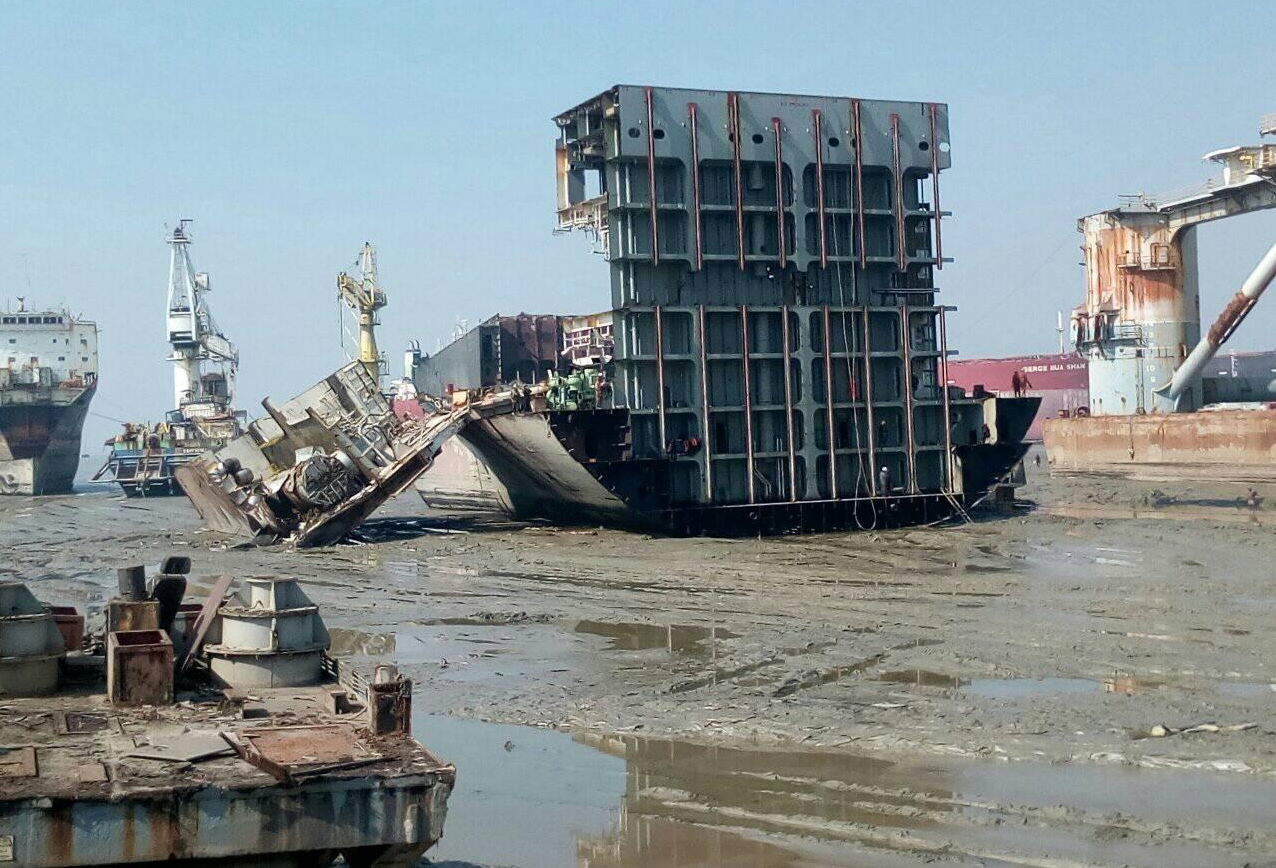
Despite the upcoming enforcement of the Hong Kong Convention, loopholes in international law continue to allow ships to be dismantled at unsafe and environmentally harmful facilities. One notable issue is the practice of “flags of convenience,” where shipowners re-register vessels under jurisdictions with weak oversight shortly before disposal.
The problem is particularly stark in Europe. Although EU-based companies control more than 35% of the global fleet, only 1% of European ships are recycled in EU-approved yards. Instead, many vessels are sold to intermediaries and end up at low-compliance yards in South Asia, raising concerns about worker safety, toxic waste mismanagement, and pollution.
Panelists warned that unless enforcement improves and investment flows into upgrading recycling infrastructure globally, the impending spike in end-of-life vessels could exacerbate existing environmental and social challenges.
A Key Pillar of the Circular Blue Economy
Speakers emphasised that responsible ship recycling plays a foundational role in developing a circular economy within the maritime sector. Recycling allows the recovery of valuable steel, machinery, and non-ferrous metals while enabling proper handling of hazardous materials such as asbestos, PCBs, and oil residues.
With the global fleet rapidly modernizing to meet decarbonization targets, recycling will be essential not only to close the material loop but to prevent unsafe disposal that can harm ecosystems and communities. The panel underscored that the Hong Kong Convention is not simply a compliance burden—it is a catalyst for transforming ship recycling into a modern, technologically advanced, environmentally sound industry.
South Asian Ship Recycling Yards Seek Investment and Technology
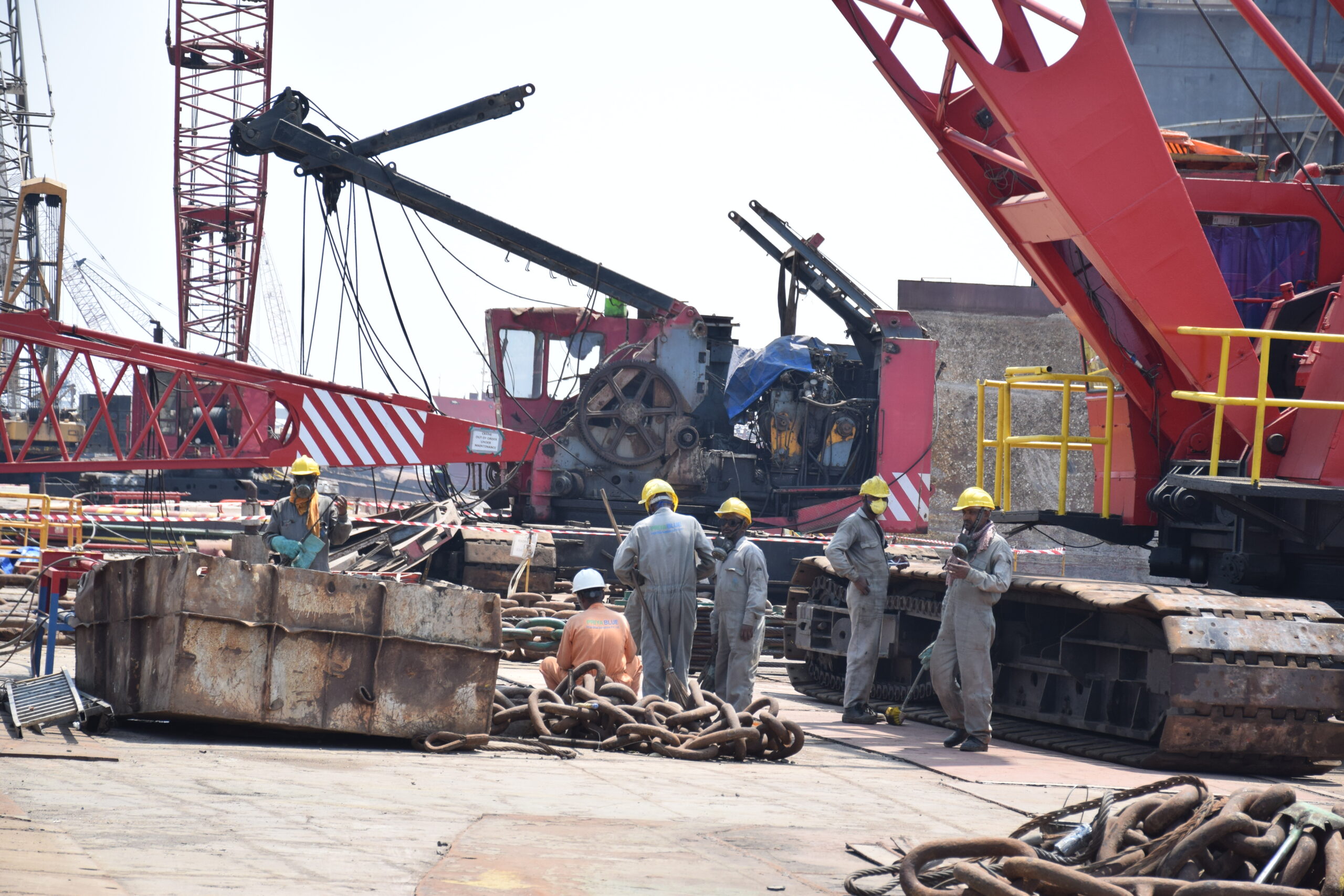
Most ship recycling today occurs in Bangladesh, India, and Pakistan. Representatives from Bangladesh and Pakistan told the Hong Kong audience that while their countries have made measurable progress in improving safety protocols, environmental controls, and workforce training, substantial investment is still required.
Key priorities they outlined include:
-
Strengthening and expanding road and logistics networks that link yards to steel mills and disposal sites
-
Establishing Treatment, Storage, and Disposal Facilities (TSDFs) for hazardous waste
-
Funding research into new recycling technologies, including mechanization, improved cutting methods, and waste-management equipment
-
Upgrading yards to meet forthcoming Hong Kong Convention requirements
Stakeholders from the region stressed that without financial support from global markets—including the Hong Kong investment ecosystem—it will be difficult to scale capacity to responsibly handle the expected surge in vessels.
A Moment of Opportunity for Investors
The forum highlighted a central insight: sustainable ship recycling is poised to become not only a regulatory necessity but a high-potential investment class aligned with ESG goals. Investors increasingly seeking green, socially responsible projects were told that ship recycling fits squarely within global sustainability priorities—reducing carbon footprints, preventing hazardous pollution, and supporting safe working conditions.
Hong Kong, as a major maritime finance hub, is expected to play an influential role. With global fleet renewal accelerating and scrap steel demand rising, participants agreed that now is the time for banks, private equity firms, and shipping financiers to assess opportunities in upgrading recycling capacity, funding green-compliant yards, and supporting technology development.
SENSREC’s Role in Supporting Developing Countries
The event forms part of the IMO-Norway SENSREC project, an initiative dedicated to helping developing nations implement the Hong Kong Convention and adopt safer, cleaner methods of ship dismantling. Through capacity-building programmes, regulatory support, and technology transfer, SENSREC aims to ensure that the transition toward modern ship recycling is inclusive and globally harmonized.
As discussions concluded, delegates underscored that collaboration among governments, industry bodies, and financial institutions will be essential in shaping the future of ship recycling. With the industry on the brink of historic transformation, Hong Kong’s financial community was urged to recognize both the responsibility and the opportunity that lie ahead.

Author: shipping inbox
shipping and maritime related web portal