



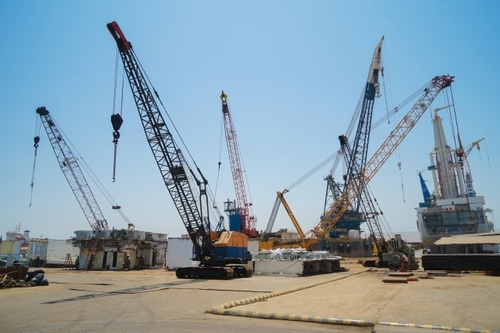
Gujarat’s Alang–Sosiya Ship Recycling Yard Set to Become Global Model for Sustainable Maritime Practices
As Gujarat prepares to host the Vibrant Gujarat Regional Conference (VGRC) for Kutch and Saurashtra in January 2026, one of its most remarkable industrial success stories — the Alang–Sosiya Ship Recycling Yard — is being positioned not just as a domestic strength but as a global benchmark for sustainable maritime practices. Government officials, industry experts, and environmental advocates believe the spotlight on Alang at VGRC will underscore India’s leadership in green ship recycling and bolster investment in the maritime sector. ETInfra.com+1

A Four-Decade Transformation
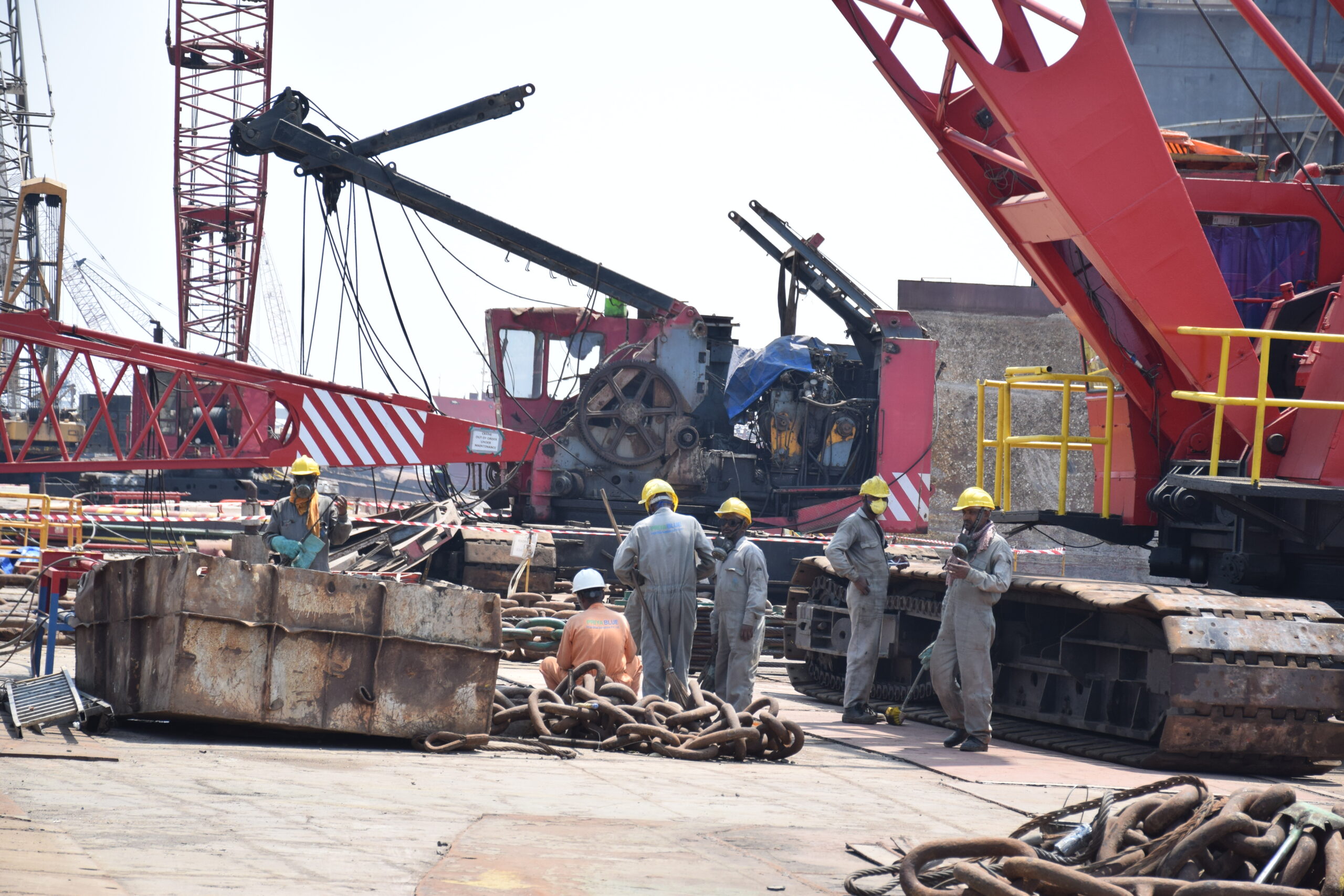
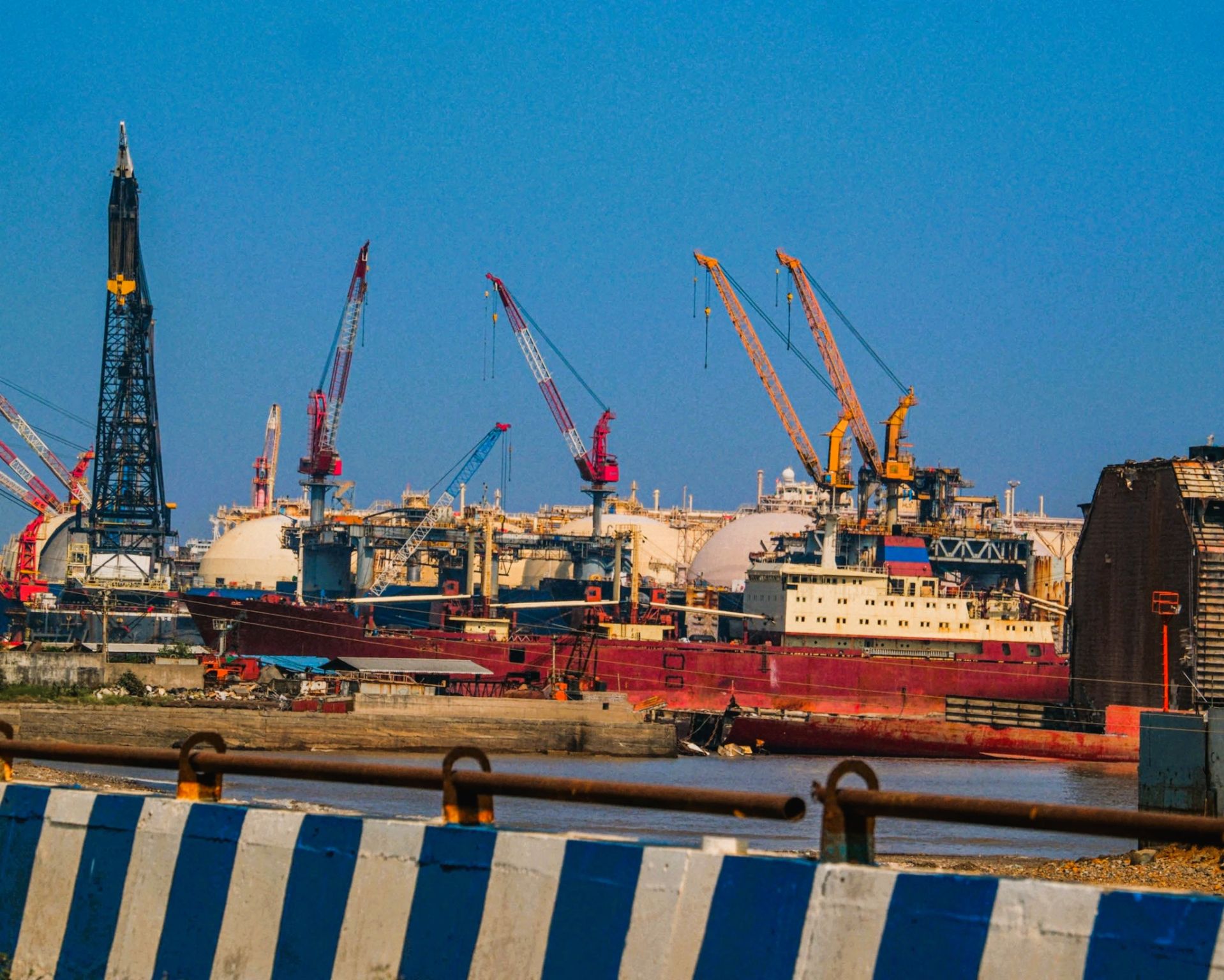
Located along the Gulf of Khambhat in Gujarat’s Bhavnagar district, Alang has evolved from a coastal stretch into the world’s largest ship recycling hub over the past four decades. First developed in the early 1980s under the guidance of the Gujarat Maritime Board (GMB), the yard now processes nearly 32 per cent of global ship recycling volume, a figure that reflects its sheer scale and technical sophistication. ETInfra.com
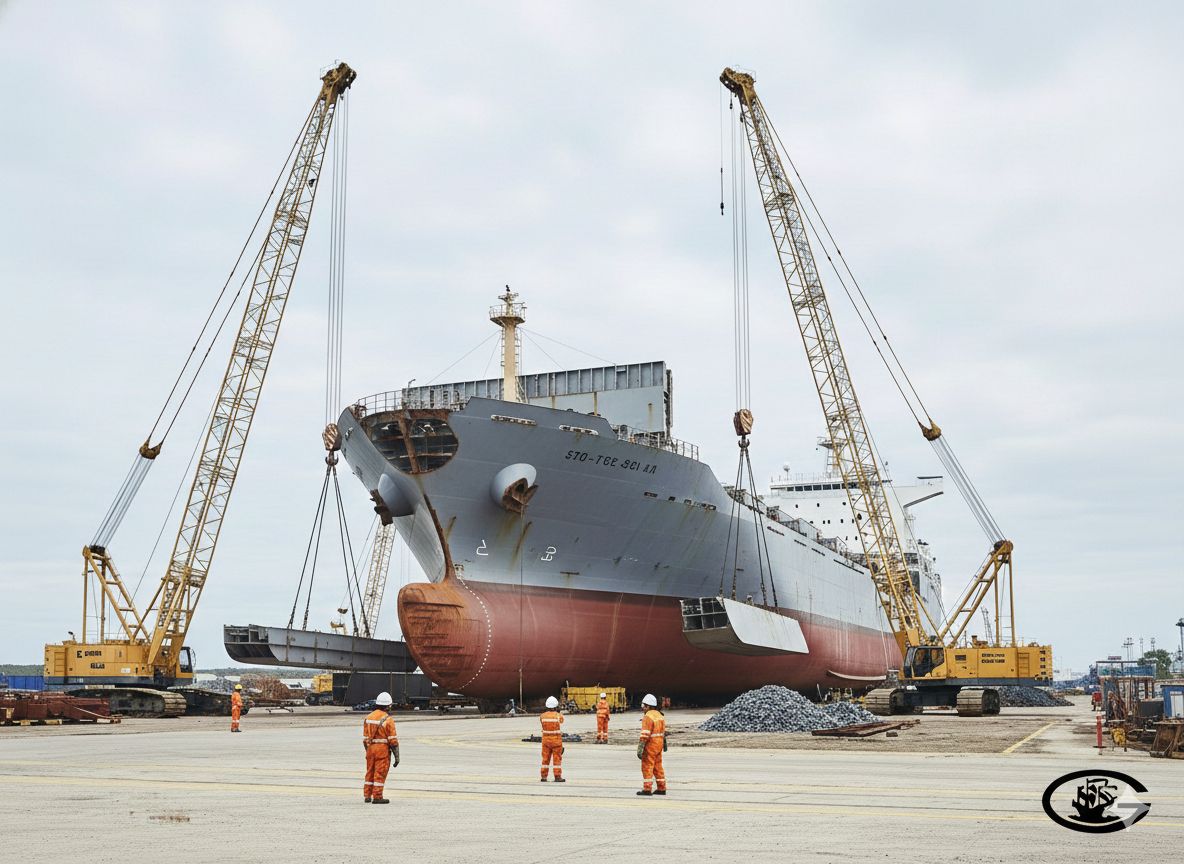
Since its inception, more than 8,800 ships — ranging from cargo carriers to oil tankers — have been dismantled at Alang using environmentally responsible and meticulously regulated methods. With 99.95 per cent of recovered materials successfully reused, the yard has become a cornerstone of India’s circular economy, reinforcing its credentials as a green industrial powerhouse. NewKerala.com
Compliance with Global Standards
A key factor behind Alang’s rising global stature is its compliance with international environmental and safety standards. Of the 128 operational plots at the facility, 115 are fully compliant with the Hong Kong International Convention for the Safe and Environmentally Sound Recycling of Ships (HKC), which came into force in June 2025. This level of compliance not only enhances environmental protection but also assures global shipowners and regulators of Alang’s commitment to safe, eco-sensitive operations. ETInfra.com
The HKC — a treaty adopted by the International Maritime Organization — sets rigorous standards for ship recycling, including the handling of hazardous materials such as asbestos, heavy metals, and polychlorinated biphenyls (PCBs). Alang’s readiness under the HKC framework positions it ahead of many established yards worldwide, enabling it to attract a broader range of international business. sagarsandesh.in
Beyond Breaking Ships: A Maritime Industrial Cluster
At the VGRC 2026, scheduled from January 10 to 12 in Rajkot, Alang will be showcased not merely as a ship recycling facility but as an integrated maritime industrial ecosystem offering opportunities across steel recovery, scrap processing, machinery refurbishment, logistics, and allied sectors. ETInfra.com
This broader vision reflects the government’s intent to transform Alang into a comprehensive industrial cluster that supports downstream manufacturing and value-addition chains. By presenting the yard as a vibrant economic node rather than a standalone operation, officials aim to attract investment, spur job creation, and integrate modern technologies throughout the recycling lifecycle. NewKerala.com
Infrastructure and Worker Welfare
Alang’s rapid rise owes much to its robust infrastructure and strong emphasis on worker welfare. The yard hosts a dedicated maritime training institute to upskill local workers, ensuring that best practices in safety and environmental management are upheld. Additionally, a Level-3 multispecialty trauma hospital provides critical healthcare services to workers and their families, reflecting a growing focus on occupational health in the industry. NewKerala.com
Modern waste management systems and scientific disposal protocols for both hazardous and non-hazardous waste further cement Alang’s reputation as a responsible recycler. Continuous improvements in these areas — including upgrades to treatment facilities — are expected to enhance environmental outcomes even more. The Hawk
Scaling Up for the Future
Despite global economic headwinds, Alang continues to show resilience. In 2024–25, the yard recycled 113 ships, and in the early months of 2025–26, arrivals climbed by about 13 per cent, signaling renewed industry momentum. ETInfra.com
Looking ahead, the Government of Gujarat has crafted an ambitious roadmap to double Alang’s ship recycling capacity from approximately 4.5 million Light Displacement Tonnage (LDT) to 9 million LDT by 2035. Over the next decade, the state aspires to process 15,000 ships, positioning Alang to sustain and expand its global leadership. NewKerala.com
The master plan, backed by an estimated ₹1,224 crore investment, also includes enhancements to worker facilities, skill development initiatives, and the adoption of cutting-edge technologies that reduce environmental impact and improve operational efficiency. ETInfra.com
Economic and Strategic Impacts
Investors and maritime experts view Alang’s transformation as a catalyst for broader economic growth. The recycling yard not only supplies vast quantities of recycled steel to domestic industries but also supports ancillary markets such as transport, equipment manufacturing, and international trade logistics. By integrating these sectors into the larger narrative of sustainable industrialization, Gujarat hopes to attract global capital and technical partnerships. The Hawk
Moreover, Alang’s success story aligns with India’s broader goals under its national maritime policy, which emphasizes safe, efficient, and environmentally sound maritime operations. The yard’s prominence at VGRC 2026 underscores its strategic importance in India’s economic and environmental diplomacy. NewKerala.com
A Model for Global Replication
While multiple nations possess ship recycling facilities, few combine scale, regulatory compliance, environmental stewardship, and social safeguards as effectively as Alang. With its rich legacy and forward-looking initiatives, the yard is increasingly seen as a model that other countries might emulate — particularly those seeking to balance industrial growth with sustainability commitments. sagarsandesh.in
As Gujarat prepares to share this narrative with global delegates in Rajkot, industry observers anticipate that Alang’s elevation as a global benchmark for sustainable maritime practices will solidify India’s position in the international maritime arena and inspire sustainable industrial transformation worldwide. The Hawk

Author: shipping inbox
shipping and maritime related web portal