



Gujarat Maritime Board Clears Six New Policies to Strengthen Ports – Shipbuilding and Coastal Governance
In a major push to enhance the competitiveness of Gujarat’s maritime sector, the Gujarat Maritime Board (GMB) has approved six new maritime policies aimed at modernising port operations, improving regulatory clarity, and attracting fresh investment into shipbuilding, ship repair, and coastal infrastructure. The reforms—cleared by the state government and now formally adopted by GMB—cover shipbuilding, land management, inland vessel regulation and the operation of vessel traffic systems, marking one of the most comprehensive policy updates undertaken by the state’s maritime authorities in recent years.

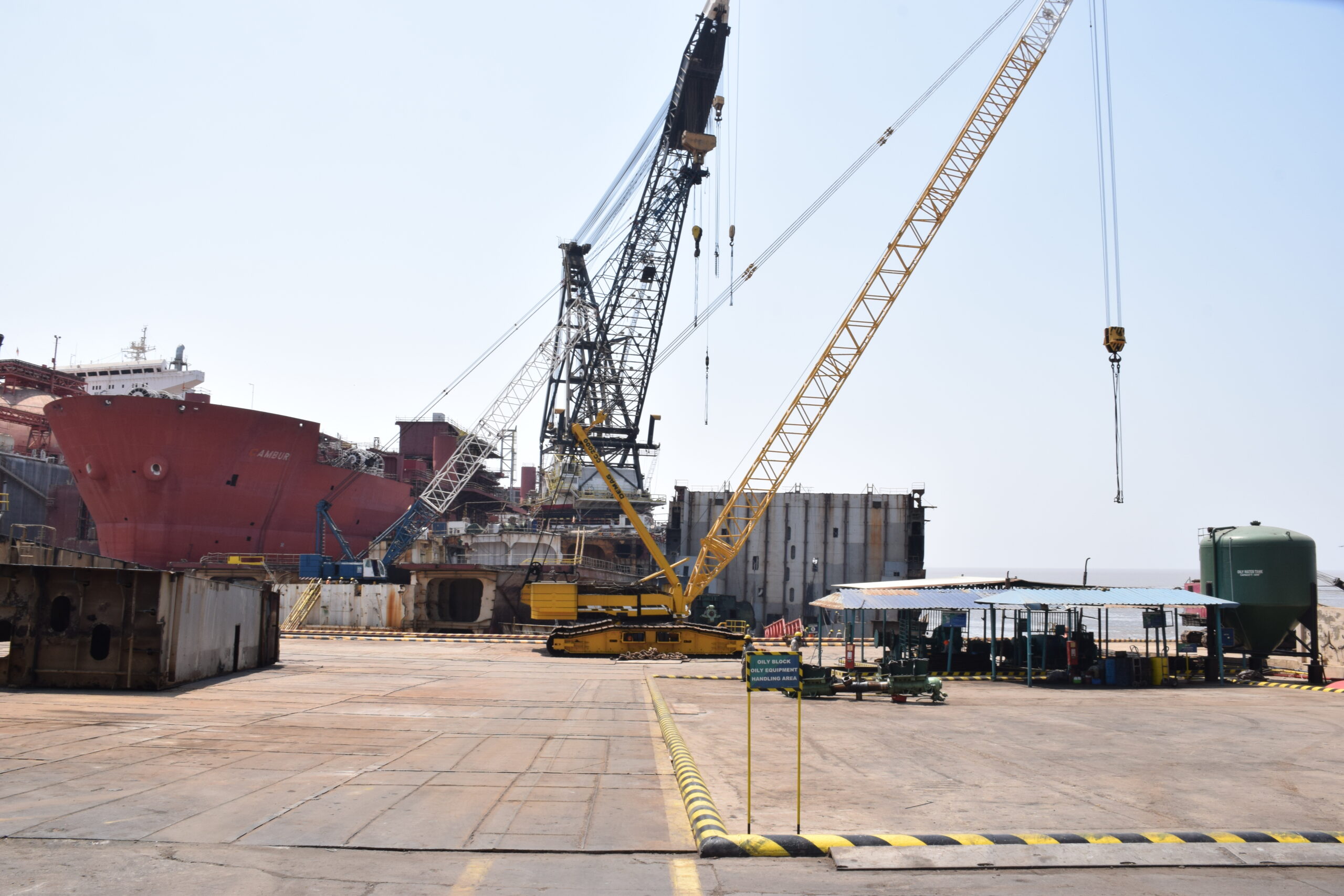
The centrepiece of the package is the Shipbuilding and Ship Repair Policy, which is expected to draw significant investment into developing new shipyards, dry docks, fabrication facilities and marine component manufacturing units. Gujarat, already home to some of India’s busiest ports and the country’s largest cluster of ship-breaking yards, is looking to broaden its maritime footprint by becoming a full-fledged hub for commercial shipbuilding and repair services.
Officials at GMB said the policy will help create an enabling environment for private-sector companies to set up new facilities, upgrade existing infrastructure and integrate global best practices into local industry. By promoting manufacturing of high-value marine components and supporting ancillary industries, the policy aims to position Gujarat as a competitive alternative to established shipbuilding nations in the region.
Complementing the shipbuilding push is a new integrated land-management policy, which consolidates multiple circulars and regulatory guidelines into a single, cohesive framework. The rules apply to all land occupied, acquired or supervised by the GMB. According to officials, this rationalisation will reduce administrative delays, simplify leasing procedures and ensure uniform governance of maritime and port-adjacent land parcels, an ongoing demand from investors and port operators.
Another major reform within the policy package is the introduction of a structured land-reclamation framework—an increasingly important domain as ports expand their berth capacity, storage zones and waterfront infrastructure through the reclamation of coastal areas. The new rules set out a transparent approach for regulating, leasing and managing reclaimed land, with a clear focus on environmental safeguards and long-term coastal use planning. This is expected to bring more predictability to port-led development projects while ensuring better oversight of coastal transformation.
The policy set also includes the operationalisation of new Vessel Traffic Management System (VTMS) rules for the Gulf of Khambhat, one of the most sensitive and high-traffic maritime zones along the Gujarat coastline. VTMS plays a crucial role in monitoring vessel movements, preventing collisions, issuing navigational alerts and coordinating maritime traffic in narrow or congested waters. The newly approved guidelines define operational responsibilities, maintenance requirements, staffing standards and reporting protocols for the system, strengthening maritime safety and situational awareness in the region.
To modernise the regulatory ecosystem for inland shipping, GMB has also cleared two separate rule books under the Gujarat Inland Vessels Act—one governing Category A and B vessels, and another governing Category C vessels, which include pleasure craft below 10 metres. These rule books cover a wide spectrum of regulatory functions including ship registration, survey requirements, certification, detention powers, safety and pollution-prevention standards. The state says the rules have been harmonised with national inland-vessel regulations but also customised to Gujarat’s distinct operational environment.
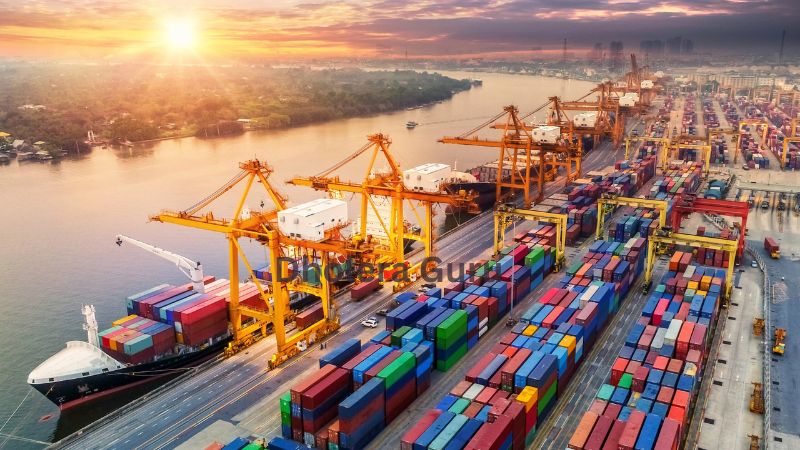
Together, these six policies aim to create a more robust, transparent and investment-friendly maritime governance structure. GMB officials said the reforms reflect Gujarat’s long-term strategy to maintain its leadership in India’s maritime sector, where the state already handles one of the country’s highest cargo volumes and is undertaking major expansions across multiple ports.

Author: shipping inbox
shipping and maritime related web portal