



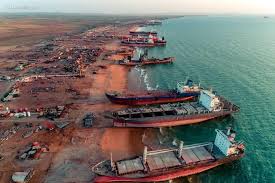
GMS Calls on EU to End ‘Politically Motivated’ Exclusion of Indian Ship Recycling Yards
Dubai: Global ship recycler GMS, the world’s largest buyer of vessels for recycling, has urged the European Commission to approve qualified Indian ship recycling yards for inclusion on the European List under the EU Ship Recycling Regulation, arguing that continued exclusion is driven by politics rather than environmental standards.

In a strongly worded statement issued on March 5, the Dubai-based company said India’s ship recycling sector—particularly the yards at Alang—has demonstrated compliance with international norms but continues to face regulatory barriers within the European framework.
According to GMS, more than 110 Indian ship recycling yards have already obtained Statements of Compliance under the Hong Kong International Convention for the Safe and Environmentally Sound Recycling of Ships, commonly known as the Hong Kong Convention. These certifications have been issued by classification societies that are members of the International Association of Classification Societies.
Despite this, the company said not a single Indian facility has been added to the EU’s approved list in over a decade, even after more than 35 formal applications and at least ten inspections and audits conducted by European authorities.
“This is not a failure of standards. It is not a failure of verification. It is a failure of political will,” GMS said in its statement.
India’s Dominant Role in Ship Recycling
India has dismantled more than 8,500 ships over the past four decades, recovering over 67 million tonnes of steel, according to industry data cited by the company. The recycling yards at Alang alone have an estimated annual capacity of about 4.5 million light displacement tonnes (LDT), which exceeds the combined operational capacity of facilities currently listed under the EU framework.
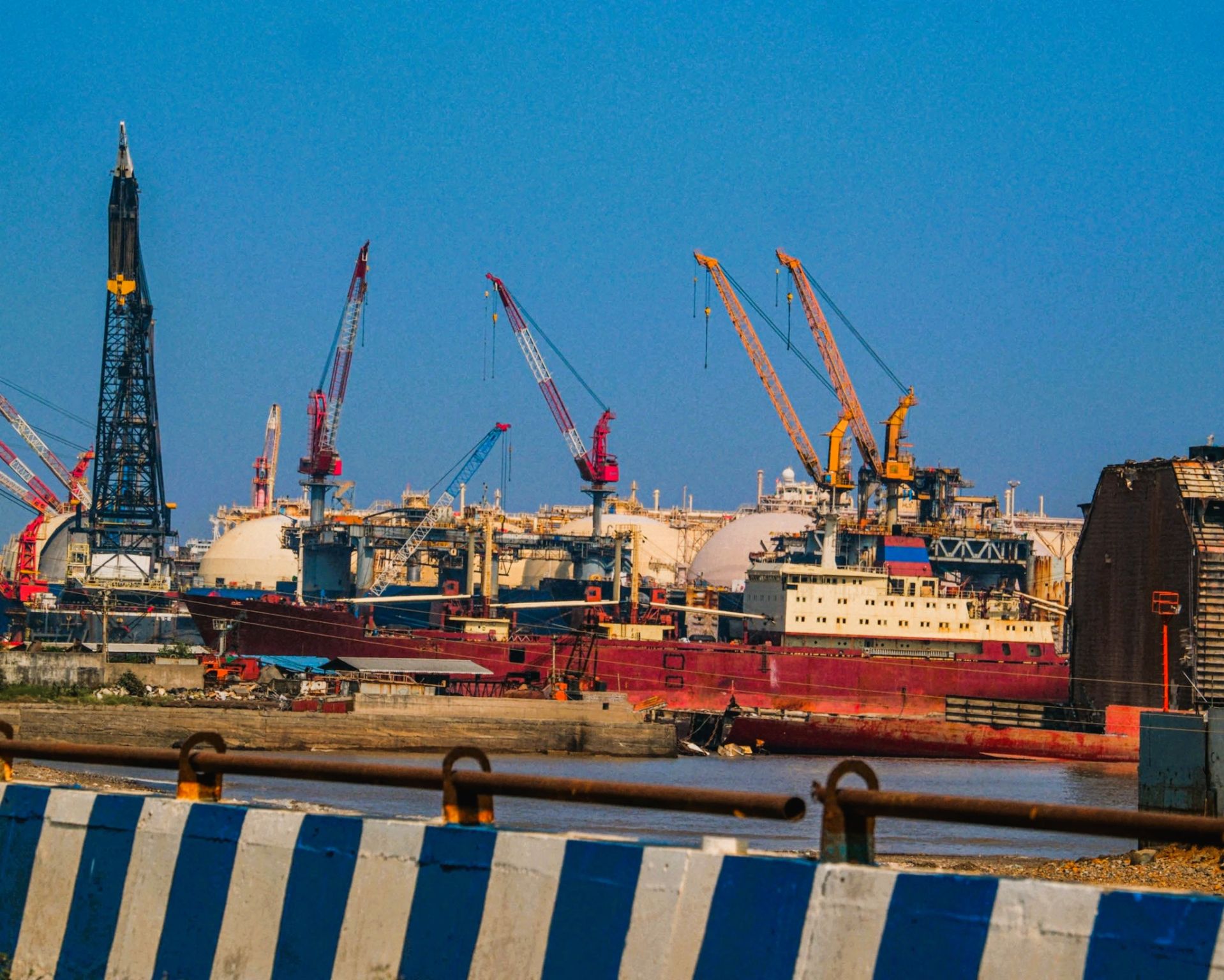
The Alang Ship Recycling Yard is widely regarded as one of the world’s largest ship recycling clusters and plays a central role in the global ship dismantling industry.
GMS said lifecycle analysis indicates that roughly 75% of hull steel recycled at Alang is directly re-rolled into plates and structural beams without energy-intensive melting. This process significantly reduces carbon emissions.
According to the company, this method lowers carbon dioxide emissions by about 58% compared with producing steel from virgin iron ore. Indian recycling yards also reportedly recover more than 98% of materials from dismantled ships, including steel, machinery, cables and other components.
Questions Over Europe’s Environmental Narrative
The company also questioned the environmental rationale behind the European Union’s current policy.
In many European recycling facilities, recovered steel is typically melted down and then exported as scrap to Asian markets. Data cited by GMS shows that Europe exported approximately 19.2 million tonnes of scrap metal in 2023 alone.
“This means that significant energy is consumed twice—first during melting and again in transportation—raising questions about the actual environmental benefit,” the company said.
Transport emissions represent another issue. GMS estimates that diverting a Panamax bulk carrier to Europe instead of South Asia could generate roughly 3,800 tonnes of carbon dioxide before recycling even begins. Similarly, redirecting a large crude carrier an additional 3,000 nautical miles could consume around 600 tonnes of bunker fuel solely for transit.
“These emissions are effectively built into the current EU framework,” the company noted.
Regulation Losing Effectiveness
A recent evaluation by the European Commission in February 2025 acknowledged that many shipowners have been re-flagging their vessels to non-EU registries before recycling, weakening the effectiveness of the regulation.
In 2024, about 80% of global ship recycling tonnage was processed in South Asia, including India, Bangladesh and Pakistan.
“The regulation is not preventing ships from reaching these destinations,” GMS argued. “It is merely ensuring they arrive outside European oversight.”
Infrastructure Improvements at Alang
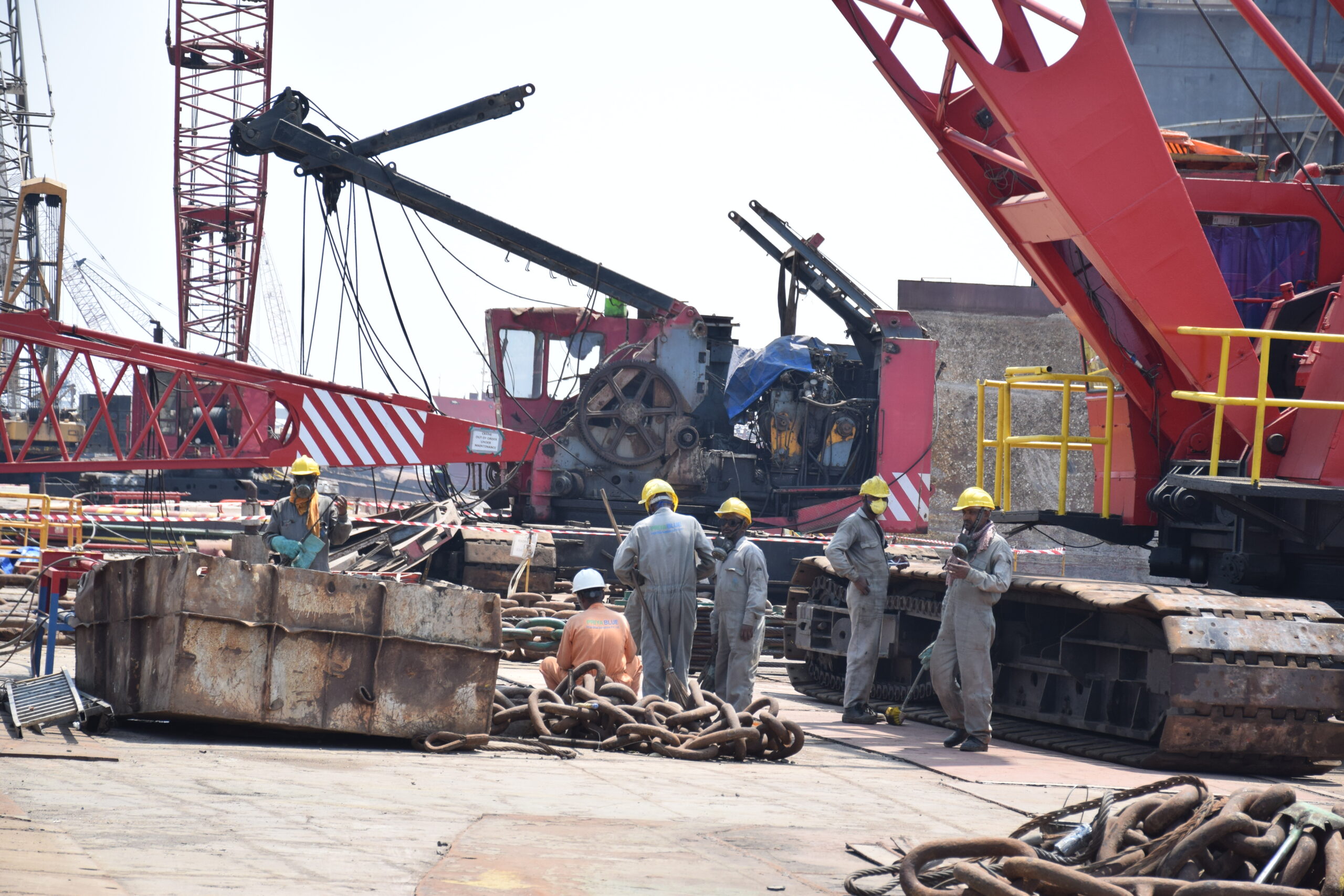
Over the past decade, several Indian yards—particularly in Alang—have invested heavily in upgrading infrastructure to comply with international safety and environmental requirements.
Modern facilities now operate on impermeable concrete flooring equipped with closed-loop drainage systems to prevent contamination of coastal waters. Hazardous materials such as asbestos, polychlorinated biphenyls (PCBs) and heavy metals are managed through mandatory Inventories of Hazardous Materials (IHMs) and disposed of through authorised treatment facilities.
Industry stakeholders say these upgrades reflect a major transformation in India’s ship recycling practices.
Basel–HKC Conflict
The EU’s reluctance to approve Indian yards is partly linked to the Basel Convention and its Ban Amendment, which restricts exports of hazardous waste from OECD to non-OECD countries.
However, industry leaders argue that this framework predates the modernization of ship recycling yards in India and conflicts with the global standards set under the International Maritime Organization through the Hong Kong Convention.
India ratified the convention in 2019, several years ahead of many European states, and the treaty entered into force on 26 June 2025.
Industry Calls for Policy Change
Kiran Thorat, a trader with GMS, said Indian yards have invested heavily in infrastructure, workforce training and environmental safeguards.
“They have undergone repeated audits and achieved certification from leading classification societies,” he said. “Yet the European Commission continues to withhold approval without transparent justification. This undermines the credibility of the EU’s own sustainability objectives.”
Looking ahead, shipping association BIMCO projects that around 15,000 vessels will need to be recycled worldwide by 2032. Industry analysts warn that the current EU-approved facilities lack the capacity to handle such volumes.
Meanwhile, India’s ship recycling ecosystem supports roughly 15,000 direct jobs and more than 500,000 indirect livelihoods.
GMS said the path forward is clear.
“The data has been submitted. The inspections have been conducted. The capacity is proven,” the company said, urging the EU to approve qualified Indian facilities without further delay.

Author: shipping inbox
shipping and maritime related web portal