




GMB Advances Major Expansion of Alang: Nine New Large-Sized Ship Recycling Plots Planned at Mathavada Coastline
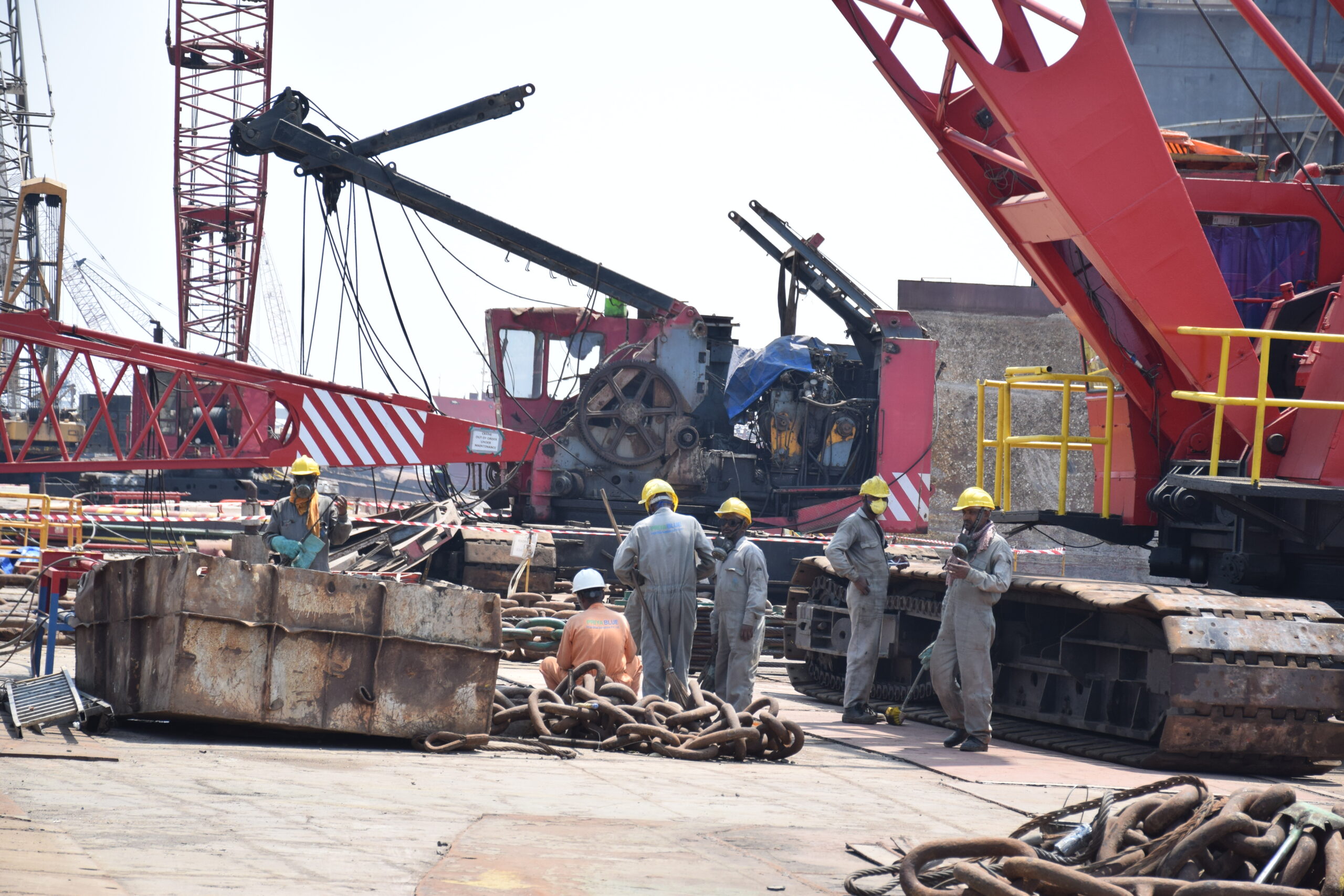
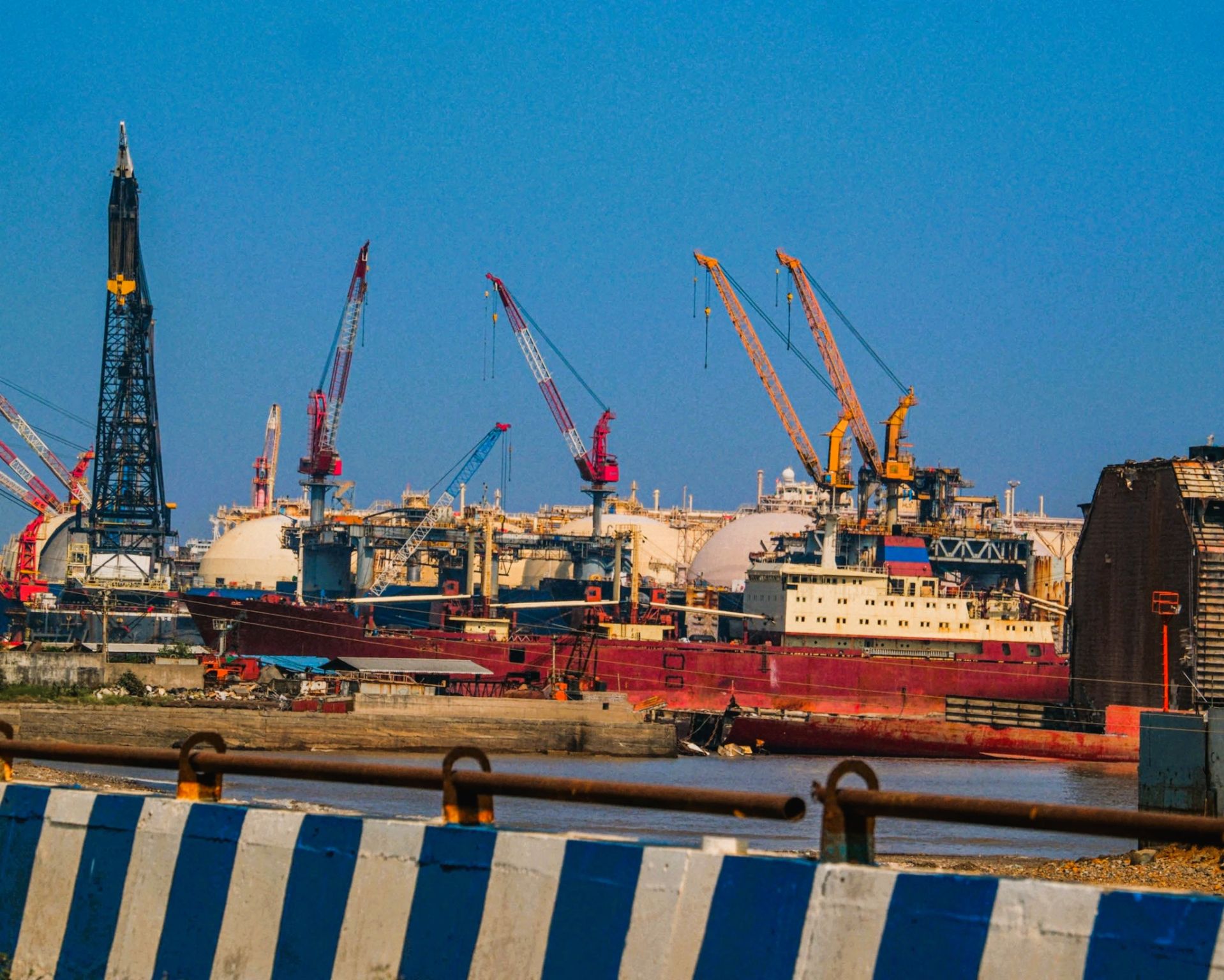
In a significant move aimed at consolidating India’s dominance in the global ship recycling sector, the Gujarat Maritime Board (GMB) has initiated the process to develop nine large-sized ship recycling plots on the coast of Mathavada village, located adjacent to the world-renowned Alang Ship Recycling Yard in Bhavnagar district (INDIA). The expansion marks one of the most ambitious infrastructure enhancement efforts undertaken at Alang in recent years, reaffirming its pivotal role in global ship dismantling, where the yard already accounts for 32% of the world’s total end-of-life vessels scrapped and 98% of India’s ship recycling activity.

According to senior officials, GMB has begun formal procedures to appoint a specialised agency tasked with securing mandatory environmental clearances and Coastal Regulatory Zone (CRZ) approvals for the proposed nine plots. These clearances are essential prerequisites before any large-scale marine, coastal, or industrial development can proceed in ecologically sensitive coastal stretches.
The new development zone is planned on a 2.9-kilometre stretch of coastline at Mathavada, southwest of the current Alang layout. Authorities confirmed that work has already commenced on designing and planning core infrastructure, including a new road network, labour housing facilities, common utilities, and a modern hazardous waste management system—strengthening Alang’s capacity in line with international environmental norms.
Larger Plots to Increase Output and Attract Big-Ticket Vessels
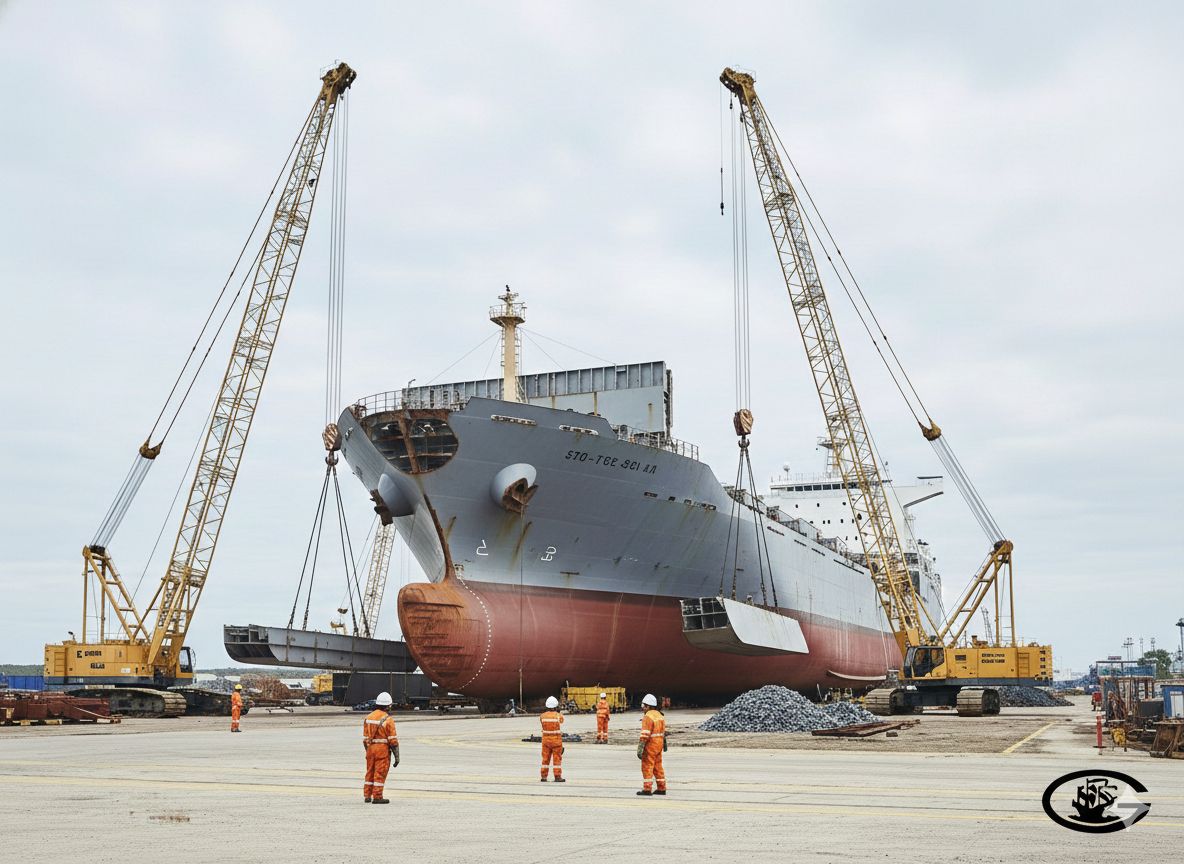
The expansion will introduce a combination of large and medium-sized ship recycling plots to cater to a wider range of vessel types. Out of the nine proposed plots, five will measure 240 metres in width and 215 metres in length, while the remaining four will be even larger—300 metres wide and 215 metres long. Such dimensions make the new plots suitable for handling bigger, more complex vessels, including newer-generation tankers, bulk carriers, and containerships.
In addition, each of the plots will receive a designated backup area located on the opposite side of the yard. This space will be used for secondary cutting operations, equipment storage, and segregation of scrap—processes essential for maintaining smooth and safe dismantling workflows. The provision of backup plots is expected to significantly ease congestion and enhance operational efficiency for recyclers.
Road Connectivity and Infrastructure Overhaul
As part of the initiative, two four-lane arterial roads will be constructed along with a comprehensive internal road network connecting all nine plots. Improved connectivity has long been a demand of Alang recyclers, who rely on uninterrupted movement of workforce, scrap material, and heavy machinery. The new roads are expected to eliminate bottlenecks and reduce turnaround time for trucks transporting processed steel and reusable machinery to downstream markets.
Parallel to the plot development, GMB is also advancing social infrastructure projects. A new labour housing colony is planned to accommodate the thousands of migrant workers employed in the ship recycling sector. Officials say the colony will include sanitation blocks, drinking water facilities, community spaces, and medical amenities to ensure that the workforce has access to dignified living conditions.
State-of-the-Art TSDF: Stronger Environmental Controls
The upcoming Treatment, Storage, and Disposal Facility (TSDF) is one of the most critical elements of the expansion, aimed at reinforcing Alang’s environmental compliance framework. The TSDF will include:
-
A 50,000-cubic-metre landfill, designed to handle both hazardous and non-hazardous waste.
-
A modern incinerator capable of treating 5 tonnes of waste per day.
-
A 30-kilolitre fuel treatment plant, enabling safe handling of oily residues and fuel sludge recovered from end-of-life vessels.
-
A dedicated fire hydrant network to strengthen emergency response.
Combined, these facilities are expected to significantly reduce the ecological footprint of ship recycling operations, while ensuring alignment with the Hong Kong International Convention (HKC) for the Safe and Environmentally Sound Recycling of Ships—a treaty that India has already ratified.
A GMB spokesperson noted that the expanded TSDF will allow faster segregation and disposal of pollutants, minimising environmental risks such as soil contamination and coastal water pollution. The facility will also enhance the yard’s credibility internationally, particularly as global regulators tighten norms around end-of-life vessel recycling.
Expert Opinion
“Alang will become a global monopoly”
— Captain Sudhir Chadha, Retired Port Officer, Alang“Alang Ship Recycling Yard already boasts state-of-the-art facilities and operates in alignment with the recommendations of the Hong Kong Convention. With the implementation of the new plots, the capacity of Alang will double, and Alang is set to become a global monopoly for ship recycling,” said Captain Sudhir Chadha.
He emphasized that the addition of large plots and high-grade environmental systems will position Alang far ahead of competing recycling hubs in South Asia, many of which are still undergoing upgrades to meet HKC standards. Chadha believes that India’s proactive compliance-driven approach will help attract European and Japanese shipowners who seek responsible scrapping options.
Know About Alang Ship Recycling Yard
Stretching across a 10-kilometre coastline of Alang-Sosiya, the Alang Ship Recycling Yard houses 153 ship recycling plots, out of which 131 are operational. The remaining plots remain non-functional due to legal issues and ongoing regulatory proceedings.
Alang currently has a recycling capacity of 4 million metric tonnes per year, making it the world’s largest ship-breaking facility by capacity. The Gujarat Maritime Board and the central government are also working to secure recognition from the European Union, a move that would allow EU-flagged ships to be recycled at Alang—potentially unlocking a large share of the high-value market currently channelled to EU-approved yards.
In 2016, GMB secured CRZ and environmental clearances for previous phases of Alang’s upgradation, which included the establishment of waste treatment plants, training centres, and emergency response systems. The upcoming Mathavada expansion builds on this foundation, reflecting India’s commitment to modernising the ship recycling industry in line with global sustainability benchmarks.
A Transformative Step for India’s Maritime Recycling Future
The development of nine new plots at Mathavada marks a pivotal moment in the evolution of India’s maritime recycling capabilities. If executed as planned, Alang’s processing capacity will significantly increase—possibly doubling in the coming years—making it the undisputed global powerhouse of ship recycling.
As markets prepare for an expected surge in end-of-life vessels driven by the green transition, decarbonisation mandates, and fleet renewals, GMB’s expansion efforts may position Alang at the epicentre of a rapidly transforming industry.

Author: shipping inbox
shipping and maritime related web portal