



Growing Calls for Localised Ship Recycling Capacity as Smaller Vessels Become Environmental and Economic Burden
The global maritime industry, long dominated by ship recycling hubs in South Asia and Turkey, is witnessing a growing chorus of voices urging the development of more localised ship recycling capacity worldwide. The call to decentralise recycling infrastructure comes amid rising concerns over smaller vessels that cannot physically reach traditional dismantling centres — often ending up as derelict hulks that pose environmental hazards and financial burdens on coastal communities and taxpayers. Tradewinds News

The issue was highlighted following high-profile cases such as the former BC Ferries ropax Queen of Sidney, which suffered a major fire earlier this year after languishing unused for more than two decades. Incidents like these underscore the challenges facing ageing vessels that are no longer seaworthy yet cannot be towed safely or economically to established recycling yards in South Asia or Turkey. Tradewinds News
The Current Global Recycling Landscape
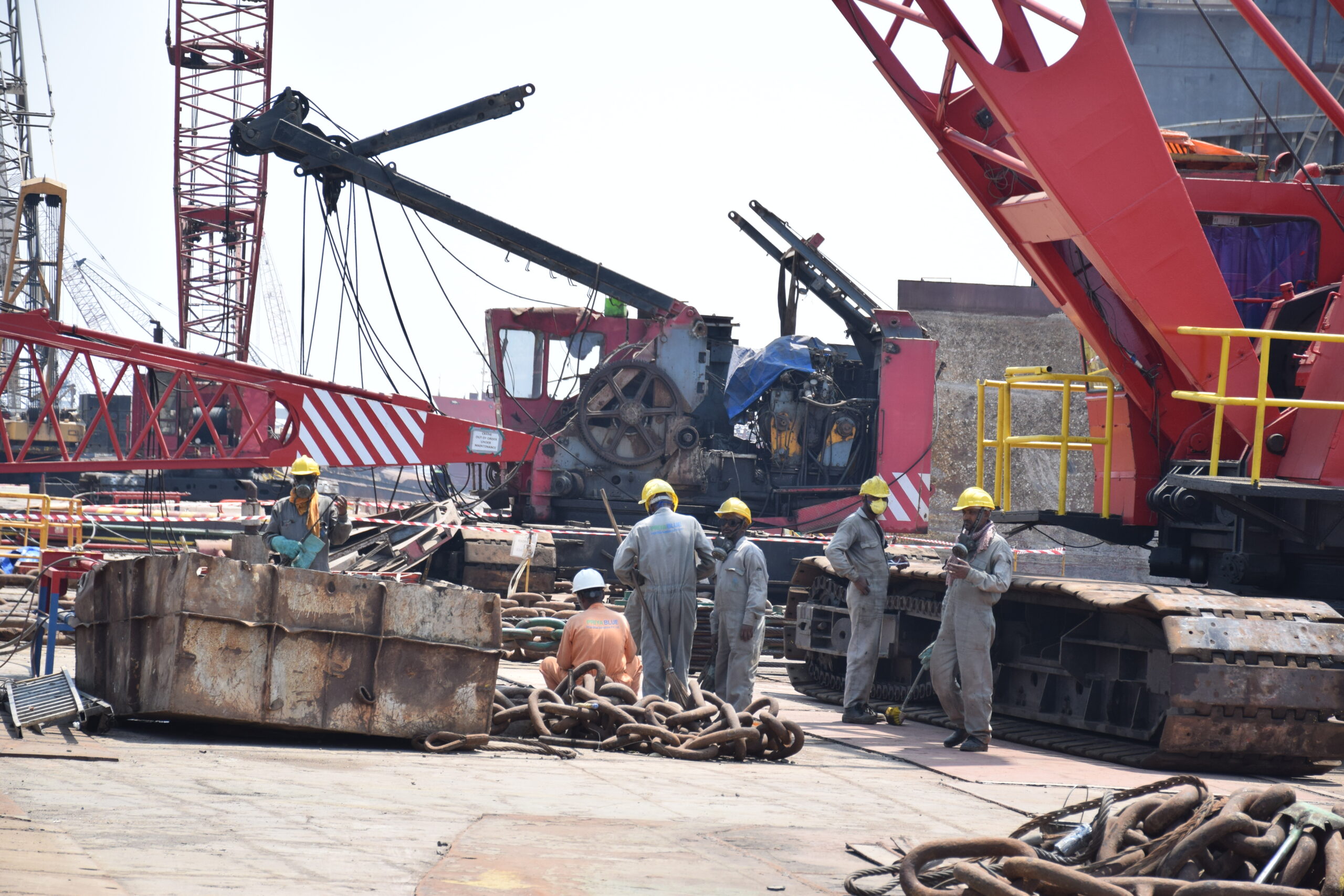
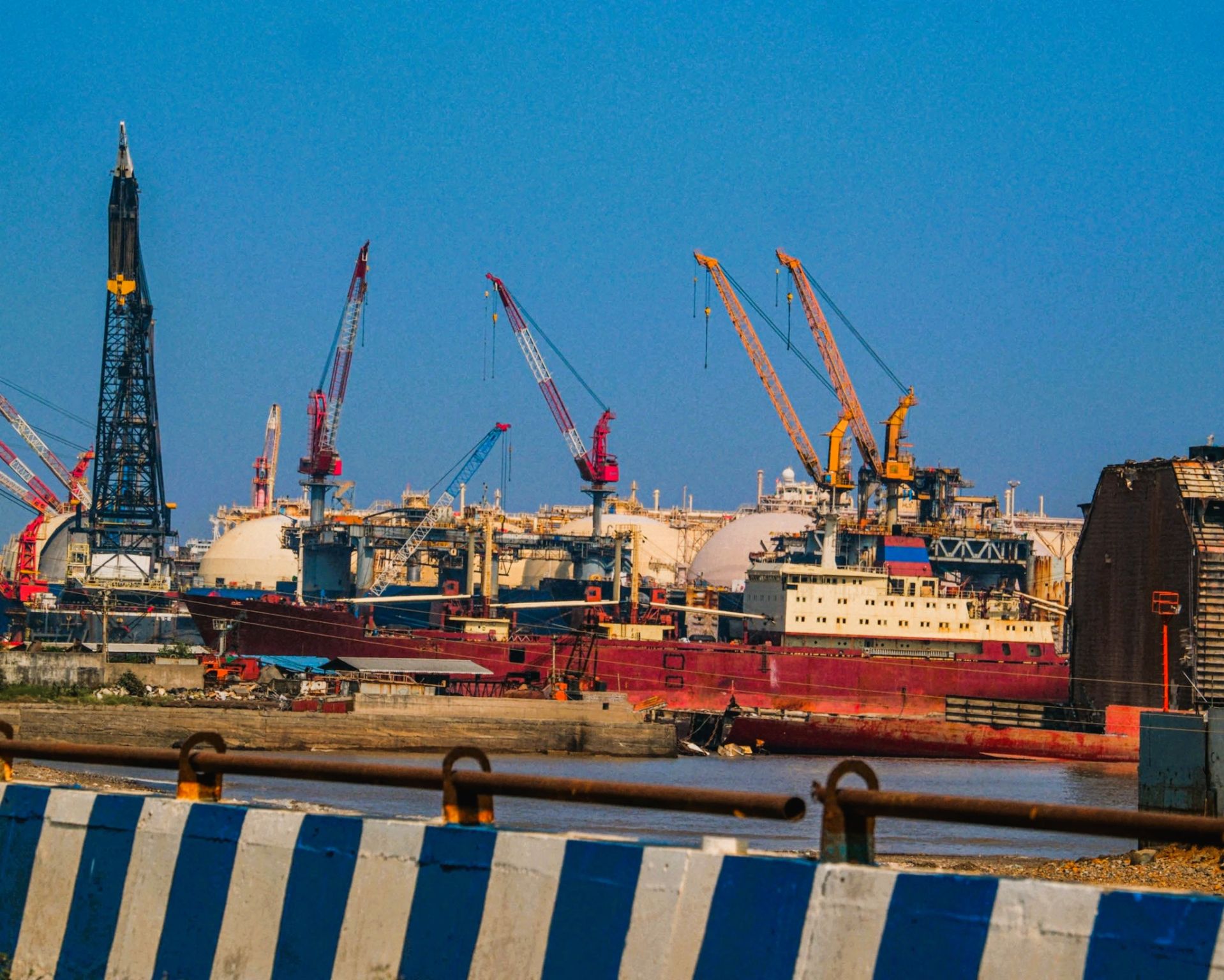
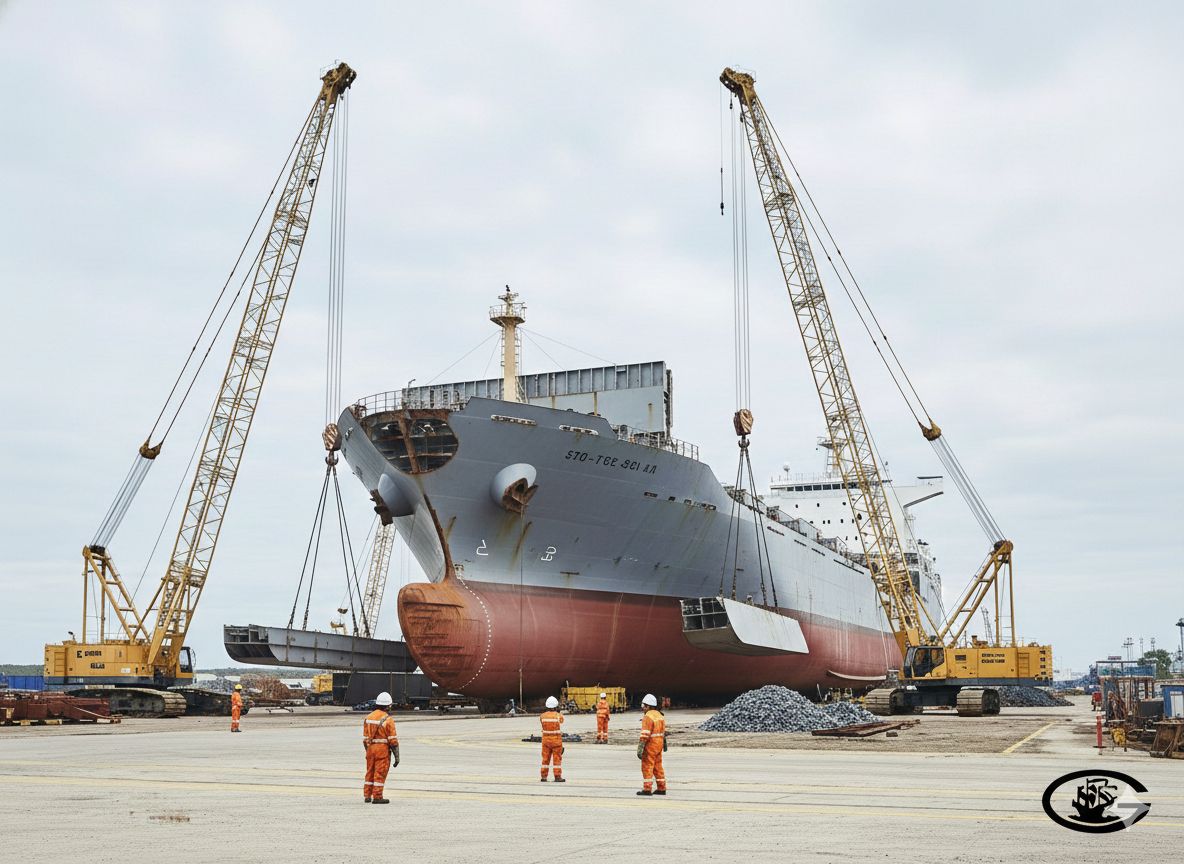
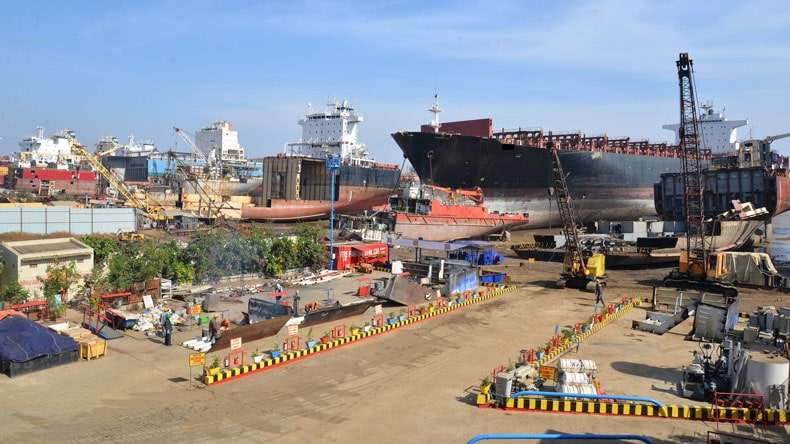
For decades, ship recycling — also known as ship breaking or ship demolition — has been concentrated in a handful of regions. Countries such as Bangladesh, India, Pakistan, and Turkey handle the vast majority of global dismantling activity due to their established facilities, lower labour costs, and deep tidal beaches suitable for traditional beaching methods. Market Data Forecast
However, while these traditional hubs are capable of handling large ocean-going vessels, they are not always accessible to smaller ships, inland waterway vessels, or those laid up in remote regions. This logistical gap has left a growing number of vessels stranded, abandoned, or scrapped illegally — often at great environmental cost. Environmental advocacy groups, maritime industry stakeholders, and some shipowners argue that more regional recycling facilities should be developed to ensure safe, efficient, and environmentally sound disposal of all classes of ships, regardless of size or origin.
Indeed, the volume of vessels reaching the end of their operational lives is expected to increase in the coming decade. Industry analysts estimate that tens of thousands of ships, representing hundreds of millions of deadweight tonnes (DWT), will require dismantling by 2035 as fleets age and regulatory pressures grow. This anticipated surge places further stress on existing recycling centres and has prompted calls for diversified global capacity. SWZ Maritime
Environmental and Economic Pressures
The absence of nearby recycling infrastructure has serious implications. Abandoned ships can leach hazardous substances — such as fuel residues, asbestos, heavy metals and other toxic materials — into coastal ecosystems, posing risks to marine life, local fisheries, and public health. Moreover, the cost of cleaning up such vessels, particularly when they deteriorate into hazards, often falls on local taxpayers and government agencies rather than shipowners. Wikipedia
This dynamic has fuelled criticism of current global recycling practices and highlighted the need for broader geographic distribution of facilities that can safely process vessels of all sizes. Experts point to both environmental sustainability and economic pragmatism as key drivers for expanding capacity, especially in regions such as Africa, Latin America, and parts of Southeast Asia, where maritime activity is growing but recycling infrastructure remains underdeveloped.
Regulatory Shifts and Rising Standards
Compounding the capacity issue are evolving international regulations aimed at ensuring safer and more environmentally responsible recycling practices. The Hong Kong International Convention for the Safe and Environmentally Sound Recycling of Ships — which entered into force in June 2025 — requires participating states and facilities to meet strict standards that minimise risks to workers and the environment. Wikipedia
Although the Convention represents a major step forward, it also raises the bar for compliance, increasing the need for investment in certified recycling yards around the world. Many observers believe that expanding compliant capacity beyond traditional hubs will be essential to meet both regulatory requirements and the anticipated uptick in vessels needing dismantling.
Voices from the Industry
Maritime organisations, NGO platforms, and some shipowners have been vocal in their support for localisation. Proponents argue that regional recycling centres would not only reduce the environmental footprint of ship disposal but also create employment opportunities and generate economic activity in emerging maritime markets.
“We’re seeing a growing consensus that the industry cannot rely on a handful of distant recycling centres,” said one industry representative. “Smaller vessels and ageing fleets need accessible solutions that don’t endanger local waters or dump costs on communities ill-equipped to manage them.”
However, critics caution that establishing new recycling centres is not without challenges. High capital costs, regulatory alignment, supply chain logistics, and the need for skilled labour are among the barriers that must be overcome. Despite these hurdles, the momentum behind localised capacity building appears to be building — a trend likely to reshape the global ship recycling landscape over the coming decade.
Looking Ahead
As the maritime industry grapples with fleet renewal, regulatory change, and environmental expectations, the debate over ship recycling capacity seems poised to remain centre stage. Whether through public-private partnerships, international investment, or regional policy initiatives, the push for more equitable and widespread recycling infrastructure signals a pivotal shift in how the world thinks about the final chapter in a ship’s life.
Only time will tell whether these calls translate into tangible capacity expansion, but one thing is clear: stakeholders are increasingly aligned in seeking solutions that balance operational efficiency, environmental stewardship, and economic fairness in the global ship recycling ecosystem.

Author: shipping inbox
shipping and maritime related web portal