



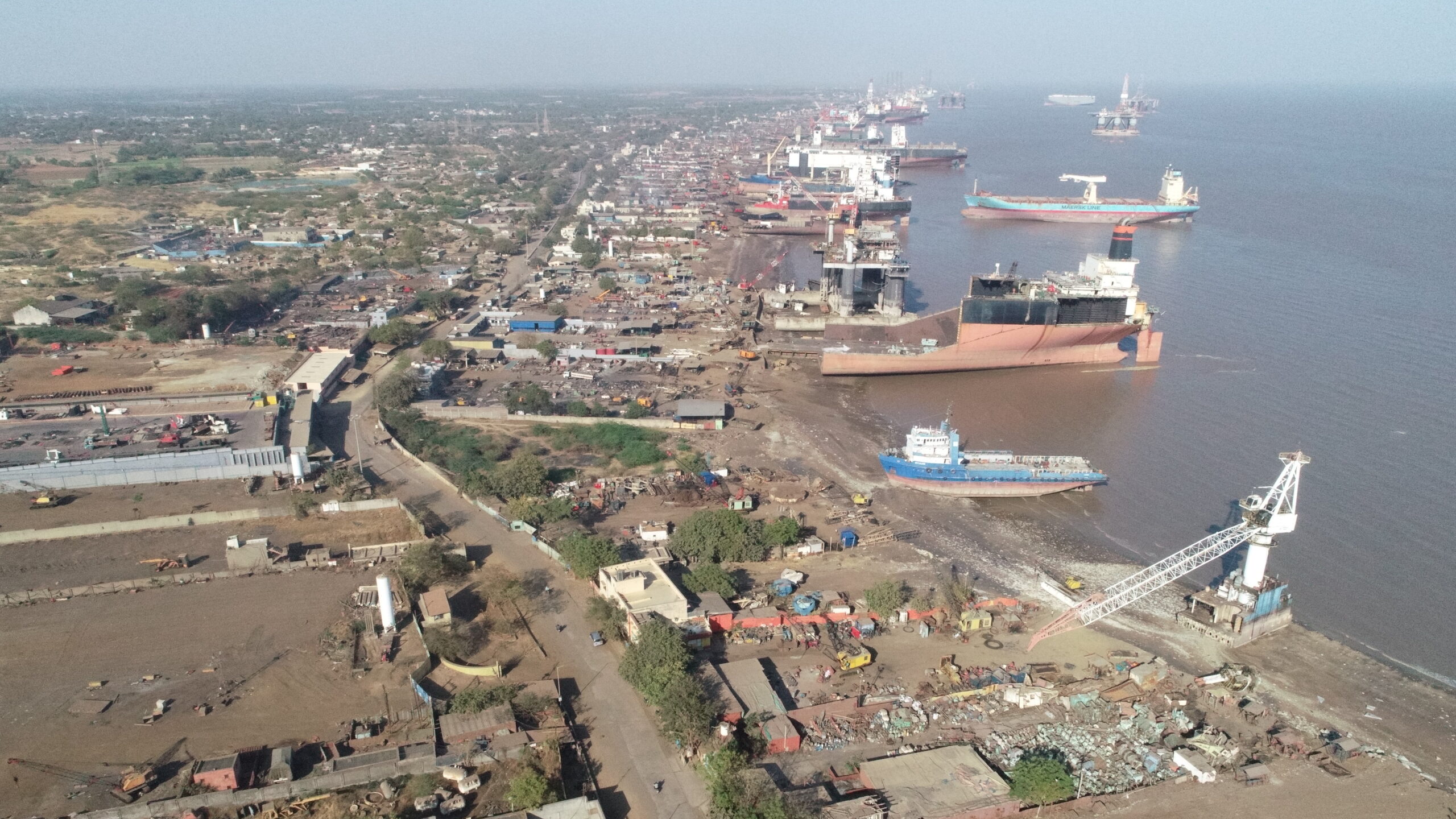
Global Ship Recycling Markets Show Mixed Trends as India Firms Up on Steel Policy Hopes: BEST OASIS

The global ship recycling market presented a mixed picture in the first trading week of the new year, with India emerging as the sole major destination showing firming prices. At the same time, Bangladesh, Pakistan and Türkiye largely remained subdued amid geopolitical uncertainty, muted demand and holiday-season inertia. According to the latest weekly ship recycling report by BEST OASIS, one of the world’s largest cash buyers of end-of-life vessels, sentiment across South Asia and the Eastern Mediterranean continues to be shaped by domestic steel dynamics, currency movements and broader international cues.
India: Prices Edge Higher on Steel Safeguard Expectations
India stood out as the strongest recycling market this week, with local prices improving on a day-to-day basis. The uptick was primarily driven by expectations of government intervention aimed at protecting domestic steel producers from a surge in low-cost imports. Market participants cited reports indicating that India has introduced a three-year safeguard or import duty on selected steel products, starting at around 12% and gradually tapering off over the period.
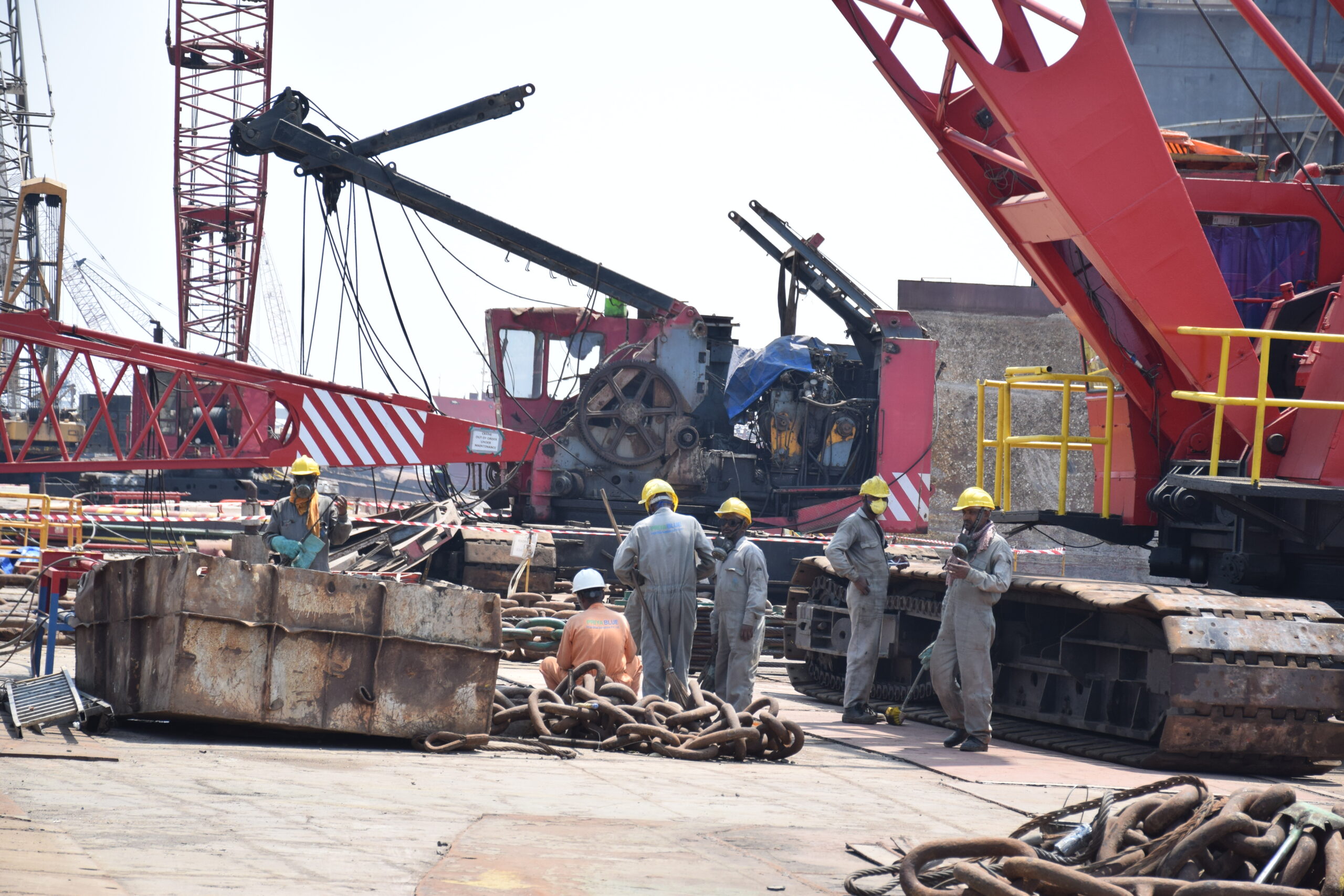
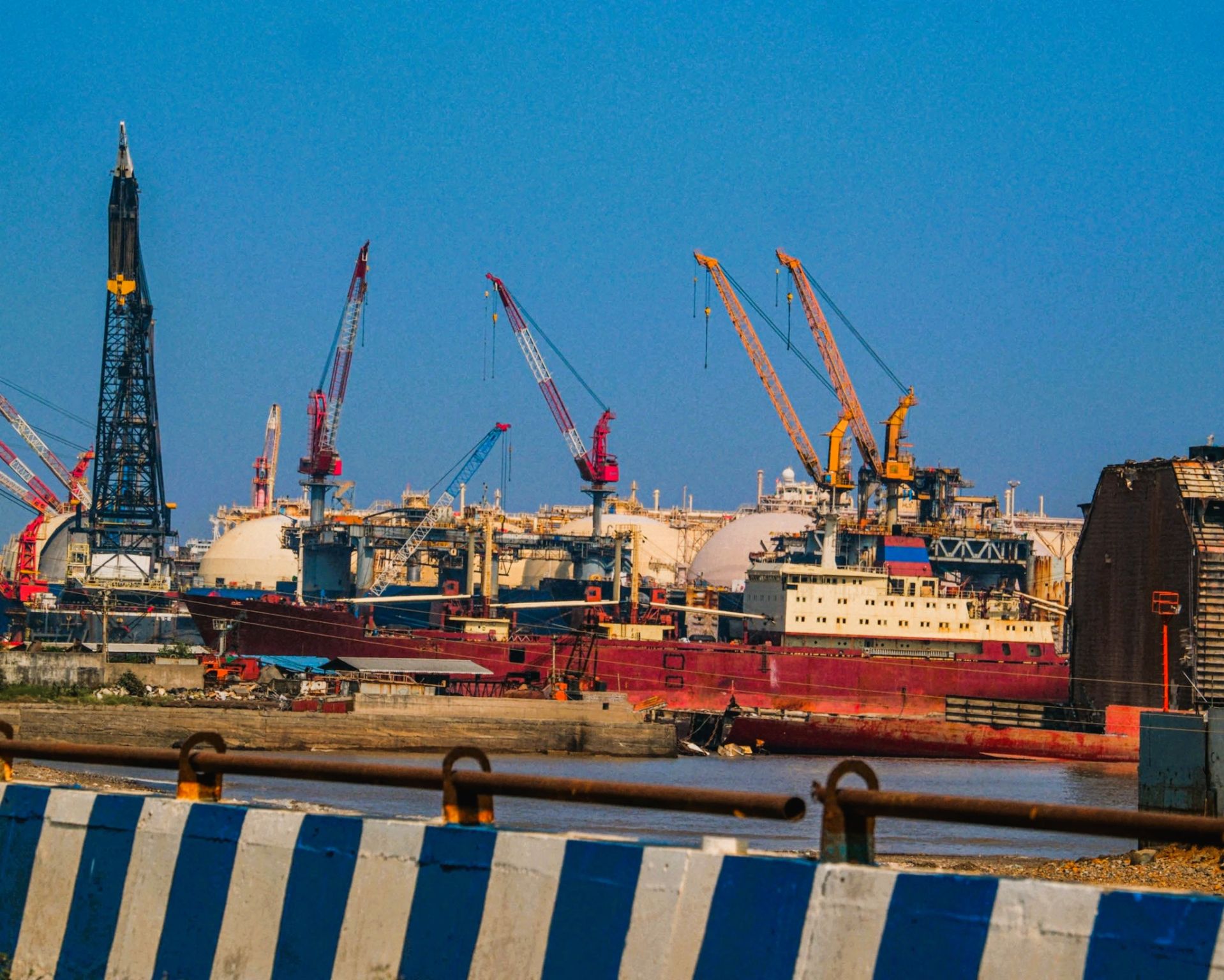
This anticipated policy support has helped lift domestic steel prices, which in turn provided recyclers with greater confidence to marginally raise their bids for ships destined for demolition. As steel plate prices form the backbone of ship recycling economics, even modest policy signals can have an outsized impact on sentiment in yards such as Alang-Sosiya in Gujarat, which accounts for a significant share of India’s shipbreaking capacity.
On the vessel supply side, availability remained limited, largely due to the year-end holiday period when owners typically defer recycling decisions. BEST OASIS noted that in the last few days, there has been no dramatic change in fundamentals, with price levels largely holding steady after the initial rise. Still, India’s market tone remained firm compared to its regional peers, supported by relatively stable currency conditions and the expectation of continued government backing for the steel sector.
Bangladesh: Market Stagnant Amid Political and Geopolitical Overhang
In contrast, Bangladesh’s ship recycling market remained flat, with no upward movement recorded during the week. The country, which has often competed closely with India for large tanker and container tonnage, continues to grapple with a challenging geopolitical and domestic backdrop.
According to BEST OASIS, market sentiment in Bangladesh remains cautious, with recyclers reluctant to push prices higher amid uncertainty surrounding broader economic conditions. The report suggests that no meaningful improvement is expected unless there is a significant shift in the overall environment.
Industry participants are looking ahead to the national elections scheduled for February, with expectations that post-election clarity could help stabilise conditions and potentially restore confidence among steelmakers, financiers and yard operators. Until then, Bangladeshi recyclers appear content to hold their positions, focusing on selective acquisitions rather than aggressive bidding.
Pakistan: Slightly Improved Tone, but Direction Still External
Pakistan’s ship recycling market showed a marginally improved tone compared to the previous week, as buyers continued to look for tonnage. The improvement, however, was modest and largely sentiment-driven rather than the result of strong domestic fundamentals.
The report highlighted that firmer international indications, particularly a slight uptick in re-rolling steel and shredded scrap prices, provided some upside support to the local market. These developments offered recyclers limited room to manoeuvre, but overall changes in pricing and activity remained restrained.
BEST OASIS emphasised that Pakistan’s market continues to depend heavily on international direction for any stronger movement. Currency stability, import costs and global scrap trends will remain key determinants of whether Gadani can meaningfully re-enter competition for larger vessels in the weeks ahead.
Türkiye: Holiday Lull Keeps Market Quiet
Türkiye’s ship recycling market remained quiet during the week as the country moved through the New Year holiday period. Activity was minimal, with few reportable transactions and no notable changes in sentiment.
Price levels in Türkiye stayed unchanged, mirroring the previous week’s position. The Aliaga recycling yards continue to face pressure from weak domestic steel demand and fluctuating currency conditions, which have limited their ability to compete with South Asian recyclers for oceangoing tonnage.
Currencies, Oil and Scrap Prices: Subtle Shifts
Currency movements during the week were largely stable but showed slight weakening against the US dollar across major recycling nations. The Indian rupee slipped to 90.18 against the dollar from 89.84 a week earlier, while the Bangladeshi taka eased to 122.33, the Pakistani rupee to 280.19, and the Turkish lira to 43.01.
Such marginal depreciations can influence recyclers’ purchasing power, particularly in markets where steel prices are sensitive to import costs and financing constraints.
In the steel scrap segment, prices for HMS 1&2 (80:20) and shredded scrap showed modest changes. In India, HMS prices rose to $358 per tonne and shredded scrap to $360, marking a week-on-week increase of 0.70%. Pakistan also saw a slight rise, while Bangladesh and Türkiye remained flat.
Crude oil prices, another macro indicator influencing shipping and recycling decisions, softened marginally during the period, with Brent and WTI both recording declines compared to the previous week.
Ship Recycling Prices Hold Firm in India
Ship recycling prices reflected these broader trends. In India, recyclers offered firm levels, with container vessels fetching around $415 per light displacement tonne (LDT), tankers at $400/LDT, and bulkers at $385/LDT—representing a week-on-week increase of nearly 4%.
Bangladesh and Pakistan were described as “soft” markets, with prices largely unchanged, while Türkiye continued to lag significantly behind, with container prices around $290/LDT.
Limited Sales Activity
Sales activity during the week remained muted, consistent with the seasonal slowdown. The list of vessels sold for recycling was dominated by smaller tankers and a cement carrier, all delivered to Chittagong, Bangladesh. Sale prices were undisclosed, underscoring the cautious and opaque nature of current market negotiations.
Outlook: Policy Signals and Politics to Drive Next Moves
Looking ahead, market participants expect policy developments in India and political clarity in Bangladesh to play a decisive role in shaping near-term recycling trends. While India appears poised to maintain its relative strength on the back of steel safeguard measures, sustained momentum will depend on vessel availability and global freight conditions.
For now, the global ship recycling market remains in a holding pattern—balanced between cautious optimism in India and lingering uncertainty elsewhere—as stakeholders await clearer signals from governments, steel markets and the broader geopolitical landscape.

Author: shipping inbox
shipping and maritime related web portal