



Global Ship Recycling Markets See Tentative Revival Amid Dollar Slump and Steel Price Surge
The weekly volatility that has come to define the global marketplace played out once again, as the U.S. dollar staged another sharp decline across most ship-recycling destinations, according to leading cash buyer GMS. Described as a “cement-footed diving approach,” the greenback weakened noticeably in all major recycling regions — with Turkey standing out as the lone exception — adding a fresh layer of complexity to an already fragile market.

Currency movements came against a mixed backdrop in the shipping sector. The Baltic Exchange Dry Bulk Index (BDI) slipped 0.7% over the week, falling to a two-week low. The decline was largely driven by the Capesize segment, where the index dropped 1.1%, reflecting continued softness in iron ore and coal trades. Panamax rates also edged lower, with the index down 0.4%, while the Supramax segment provided a rare bright spot, rising 0.2% and hinting at marginal resilience in minor bulk trades.
On the macro front, easing tensions between the United States and Iran helped calm fears of potential supply disruptions in the Middle East, particularly those linked to oil flows through key chokepoints. While energy markets welcomed the reduced risk premium, the knock-on effects for shipping and recycling remained limited, as uncertainty continues to dominate global trade flows.
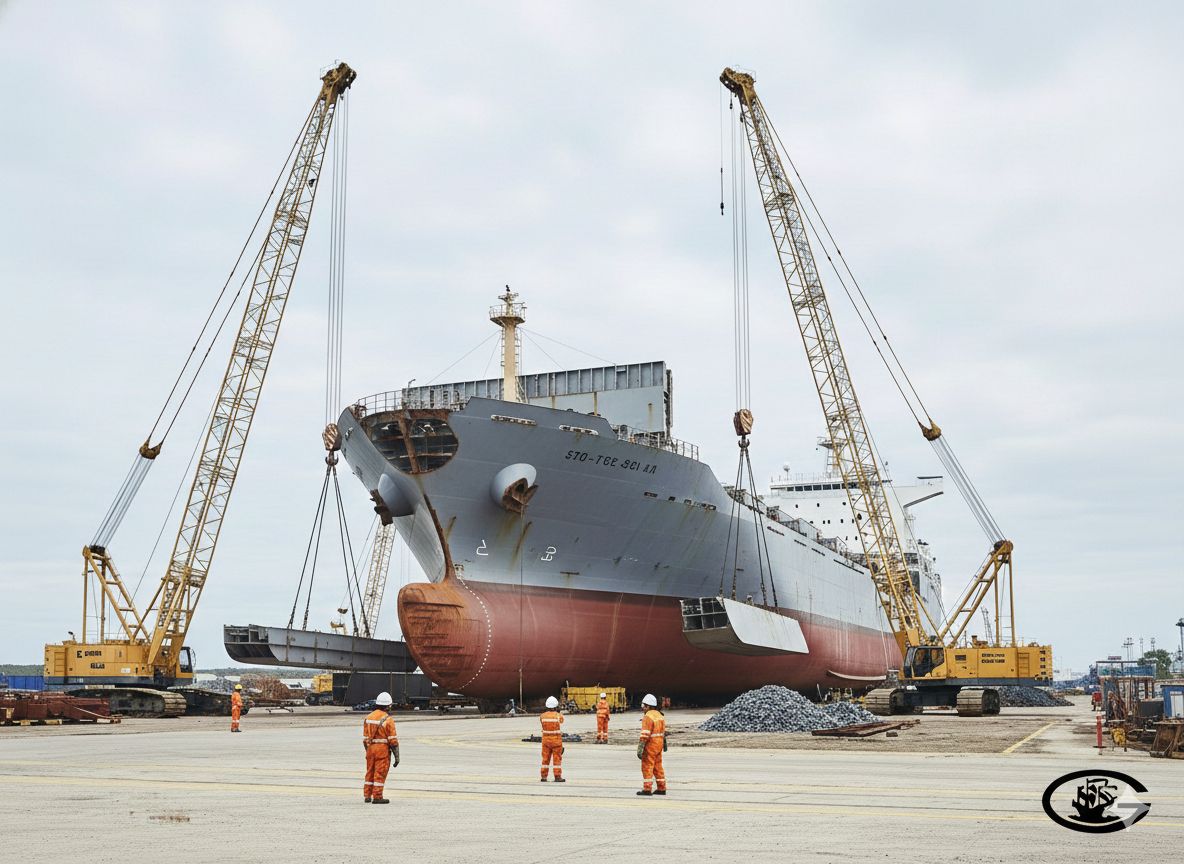
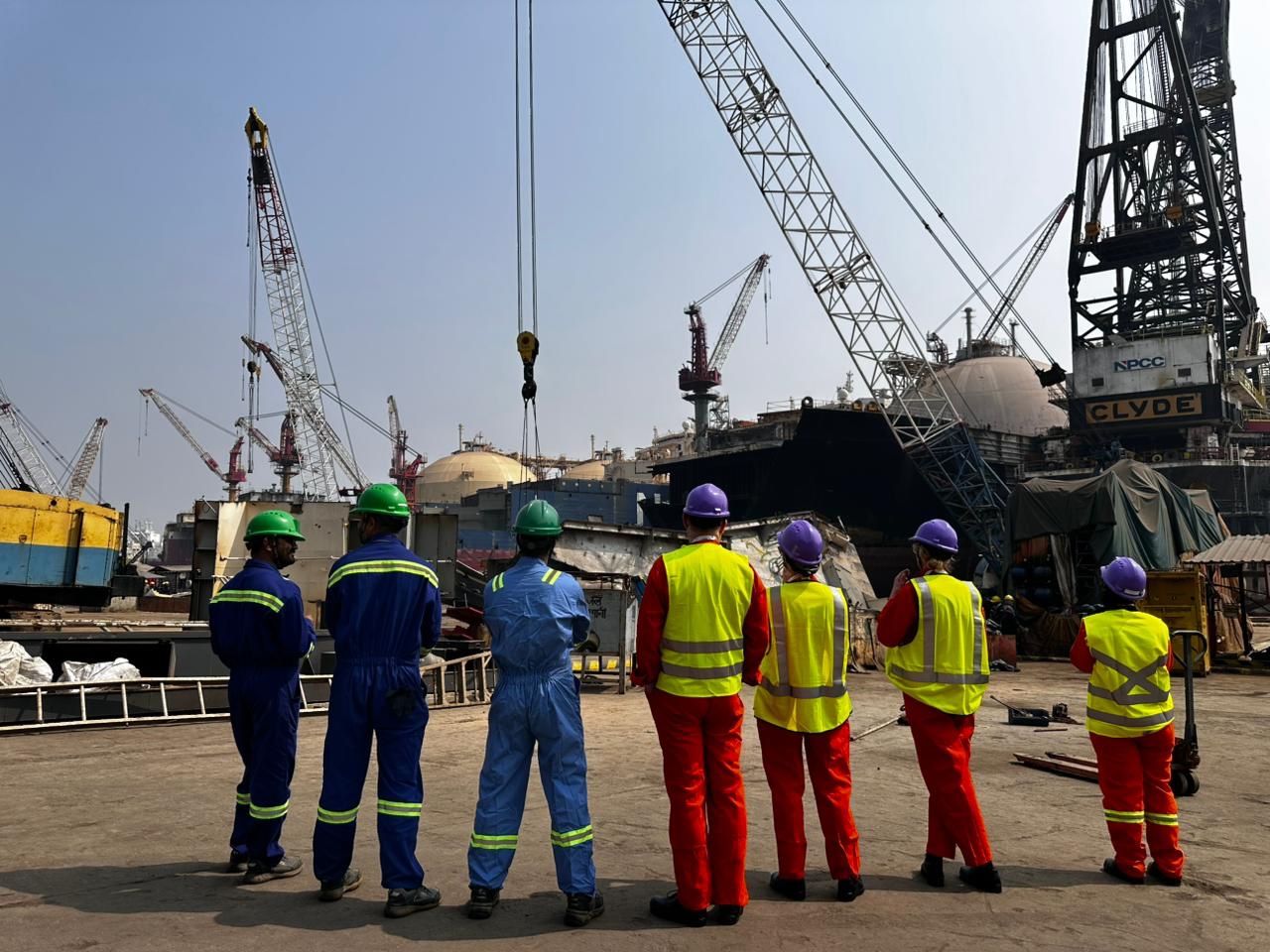
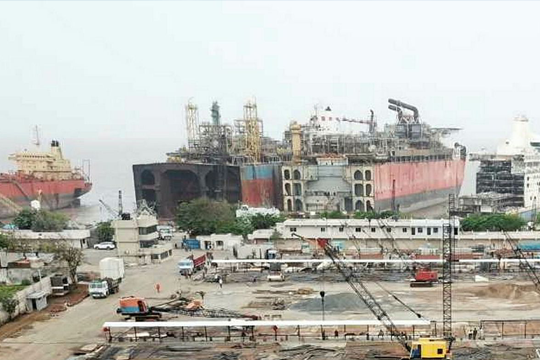
Turning to the Indian sub-continent — the heartland of global ship recycling — GMS noted faint but noticeable signs of life beginning to emerge as February progresses. After what was described as an “inert start to the year,” waterfront activity has shown early indications of revival, even if sentiment remains cautious.
The opening weeks of 2026 had raised concerns among recyclers and cash buyers alike, with reversals in pricing and demand lingering longer than expected. GMS likened the situation to an unwelcome house guest: troubling, persistent, and slow to depart. That unease has not fully dissipated, but recent developments have offered some encouragement.
A key positive has been the sharp rise in local steel prices across all major sub-continent destinations, including India, Bangladesh, and Pakistan. According to market participants, steel plate prices recorded significant week-on-week gains, improving recyclers’ confidence and enhancing their ability to bid more competitively for end-of-life vessels. For an industry heavily dependent on domestic steel demand, this uptick has been a crucial stabilising factor.
Despite firmer steel fundamentals, the recycling market continues to grapple with a chronic shortage of tonnage. GMS warned that the scarcity of recycling candidates is “flirting with a starving industry,” underscoring the mismatch between available capacity at yards and the limited number of ships being sold for demolition.
Some movement has been seen at the margins. Older handy-sized bulk carriers and liquefied natural gas (LNG) vessels have begun to trickle into the market at the start of the year, often at firmer price levels than anticipated. These sales have provided brief relief for recyclers eager to replenish empty plots. However, the flow remains far from sufficient to sustain a broad-based recovery.
Notably absent are tankers and container vessels, which have largely stayed away from recycling beaches over the past few years. Strong earnings in tanker markets, combined with lingering disruptions in container shipping and ongoing fleet optimisation strategies, have kept owners reluctant to scrap tonnage, even as some vessels age beyond their prime. This absence has deprived recyclers of the larger, higher-LDT units that typically anchor demolition volumes.
Looking ahead, market participants are bracing for another subdued year. GMS cautioned that 2026 is shaping up to be “another quiet” period for ship recycling, particularly as geopolitical shocks continue to prop up freight markets and discourage owners from sending vessels for demolition. Conflicts, trade realignments, and energy-related uncertainties have collectively sustained volatility, often supporting earnings just enough to delay scrapping decisions.
Turkey’s position remains distinctive. Unlike the sub-continent, the Turkish recycling market has been insulated from some of the dollar’s weakness and continues to face its own challenges, including inflationary pressures and fluctuating domestic steel demand. While geographically closer to European owners, Turkey has struggled to compete on pricing with Asian destinations, limiting its share of global demolition activity.
As the industry moves deeper into the first quarter, recyclers will be watching three critical variables: currency stability, steel price trends, and the direction of freight markets. A sustained weakening of the U.S. dollar, combined with firm domestic steel prices, could improve affordability for buyers. Yet without a meaningful increase in vessel supply, optimism is likely to remain restrained.
GMS’s market rankings and indicative pricing for week 6 of 2026 continue to reflect these dynamics, with the Indian sub-continent maintaining its traditional dominance, albeit in a thinly traded environment. For now, the global ship-recycling sector appears to be inching forward rather than rebounding — navigating a cautious path through currency swings, uneven shipping fundamentals, and a persistent lack of tonnage.

Author: shipping inbox
shipping and maritime related web portal