



Global Ship Recycling Markets Remain Cautious as Currency Pressures and Political Risks Weigh on Sentiment: BEST OASIS

World’s largest cash buyers for ships sending for recycling, BEST OASIS in their weekly ship recycling market report opined that the global ship recycling market continued to navigate a cautious and uneven landscape this week, with marginal improvements in India offset by persistent weaknesses across Bangladesh, Pakistan and Türkiye. While buying interest has not vanished, volatile currency movements, subdued steel prices and geopolitical uncertainties are keeping confidence restrained, limiting fresh activity across key recycling destinations.
India: Marginal improvement, but confidence remains fragile
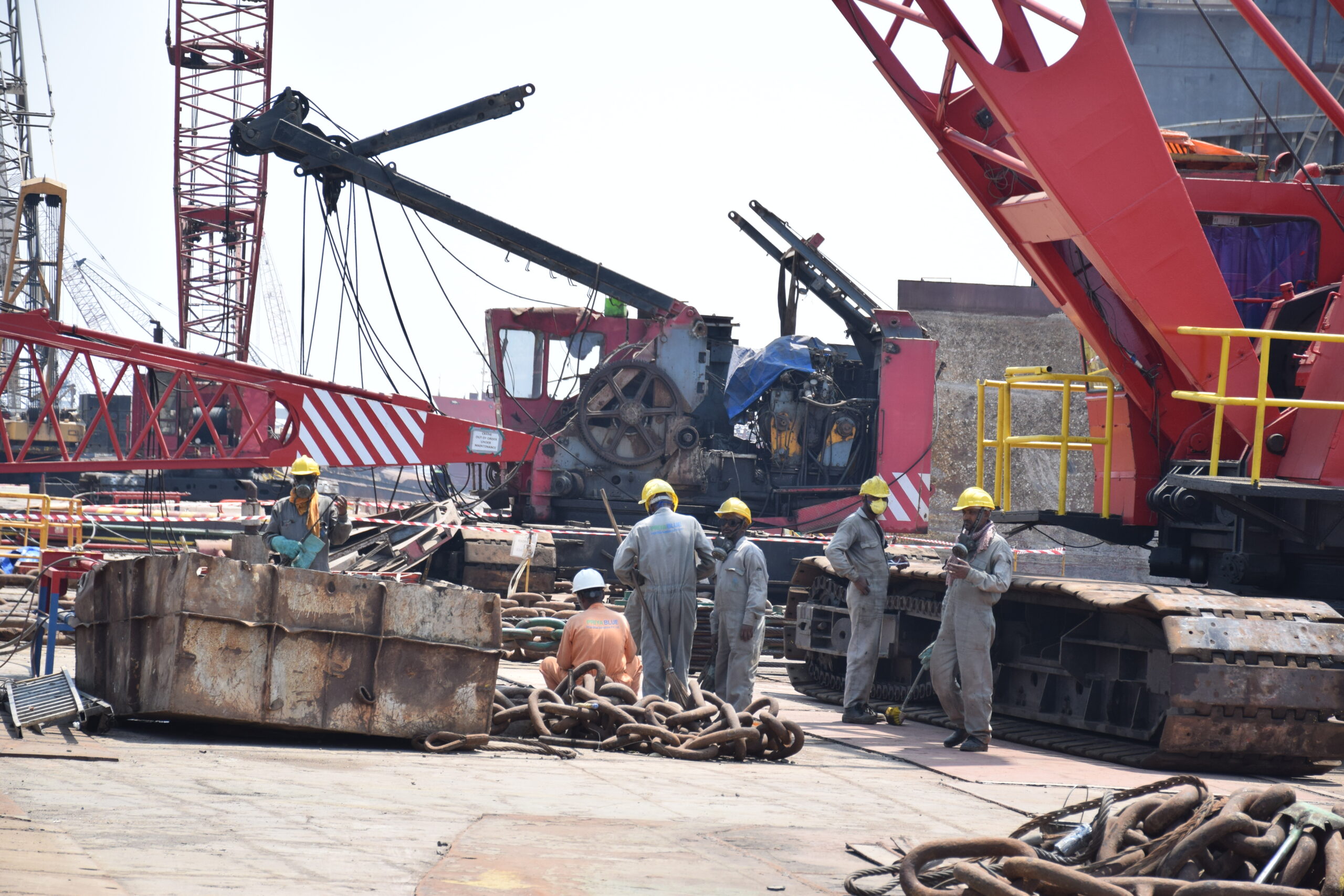
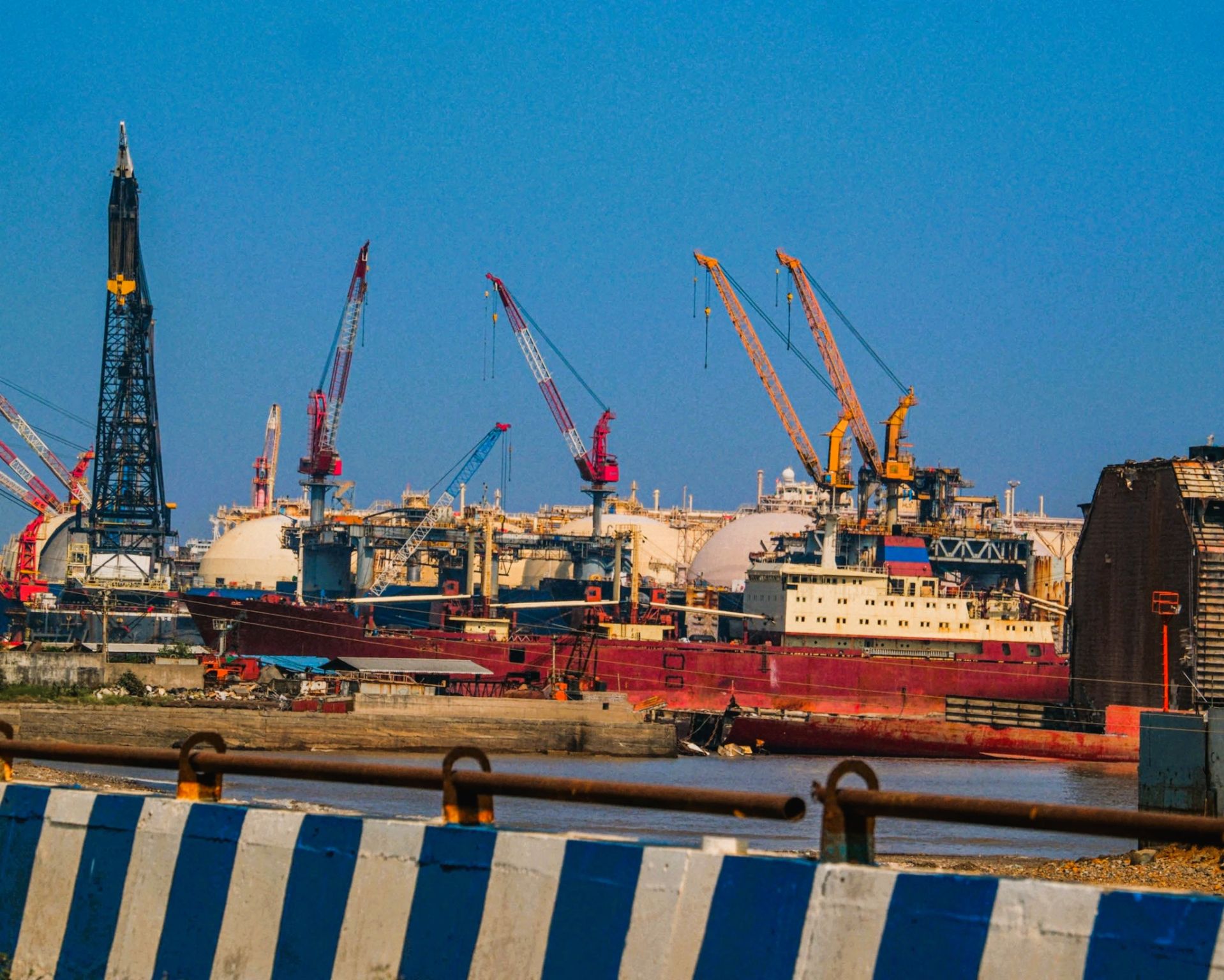
India’s ship recycling market showed a slight improvement compared to the previous week, with sentiment turning marginally firmer. Yard activity has picked up modestly, helped by a steady inflow of vessels—particularly from the so-called “dark fleet”—which has kept recycling facilities occupied. Several yards that had been lying idle in recent weeks are now filling up, lending some support to local activity levels.
However, the underlying tone remains cautious. Adverse currency exchange movements have continued to hurt buyers who committed to purchases over the past three to four months. With the rupee weakening against the US dollar—USD/INR moving to 89.84 from 89.65 the previous week—many recyclers are facing losses on previously acquired tonnage. As a result, confidence remains restrained, and buyers are approaching the market with greater selectivity.
Buying interest is still present, but at a much lower intensity than earlier in the year. Recyclers are focusing on vessels that offer clear pricing advantages and manageable risk, rather than chasing volumes. Despite the marginal improvement in sentiment, the Indian market is far from a full recovery, with most participants preferring to wait for greater stability in currencies and steel prices.
Bangladesh: Weak sentiment amid civil unrest
Bangladesh’s ship recycling market remained largely unchanged during the week, continuing to struggle with weak sentiment and subdued activity. Buyers are finding it increasingly difficult to operate under prevailing conditions, with limited appetite for fresh acquisitions.
A key concern remains the reluctance of buyers to purchase newer assets. Prices for recyclable tonnage remain significantly lower than historical levels, making it difficult for recyclers to justify investments in relatively modern vessels. This hesitation has further dampened market momentum.
Compounding these economic challenges is the ongoing severe civil unrest across Bangladesh, which continues to weigh heavily on confidence. Political instability and disruptions on the ground have made buyers more risk-averse, with many opting to stay on the sidelines. Although the local currency showed a marginal gain—USD/BDT improved to 122.15 from 122.28—this was not enough to lift sentiment in any meaningful way.
Pakistan: Quiet market, focus on smaller tonnage
Pakistan’s ship recycling sector remained quiet and subdued, with no meaningful change reported during the week. Activity was limited to a single private deal involving a small bulk carrier, offering little indication of broader market momentum.
Market participants expect Pakistan to remain focused on smaller tonnage for the foreseeable future. Larger units are unlikely to attract interest unless they become available at highly workable prices. With USD/PKR showing only a negligible gain, currency support remains minimal, and buyers continue to adopt a wait-and-watch approach.
In the absence of stronger demand drivers—such as a rebound in steel prices or improved financing conditions—the Pakistani market may face further downward pressure in the near term.
Türkiye: Flat conditions, limited interest
Türkiye’s ship recycling market continued to move at a very slow pace, with no notable change in sentiment or pricing direction. Similar to last week, conditions remained flat, with participants largely holding on to existing positions.
Import prices and local steel rates showed no fresh movement, reflecting continued inactivity and limited interest from buyers. The Turkish lira weakened slightly, with USD/TRY moving to 42.86 from 42.75, adding another layer of pressure on recyclers already grappling with thin margins.
Steel prices and vessel valuations remain static
Across regions, steel prices showed little week-on-week movement. Prices for HMS 1&2 (80:20) remained flat at $355 per tonne in India, $358 in Bangladesh and Pakistan, and $362 in Türkiye. Shredded scrap prices were also unchanged, underscoring the lack of momentum in the underlying steel markets.
Ship recycling prices reflected this cautious environment. In India, the market was described as firm, with container vessels priced around $400 per LDT, tankers at $385 and bulkers at $370. Bangladesh and Pakistan remained soft, with some week-on-week declines noted in Bangladesh. Türkiye continued to trail other markets significantly, with container prices around $290 per LDT.
Notably, no vessel sales were reported during the week, highlighting the prevailing reluctance among buyers and sellers to commit amid ongoing uncertainty.
Outlook: Stability needed for recovery
Overall, the global ship recycling market remains in a holding pattern. While India has seen marginal improvement supported by incoming dark fleet vessels, currency pressures continue to erode margins. Bangladesh is constrained by political instability, Pakistan lacks momentum, and Türkiye remains stagnant.
Until currencies stabilise and clearer signals emerge from steel markets, buyers are likely to remain cautious and selective. For now, the industry appears set to continue operating at subdued levels, with recovery dependent on improved macroeconomic and geopolitical conditions.

Author: shipping inbox
shipping and maritime related web portal