




Global Ship Recycling Convention Stalls Just Six Months After Start
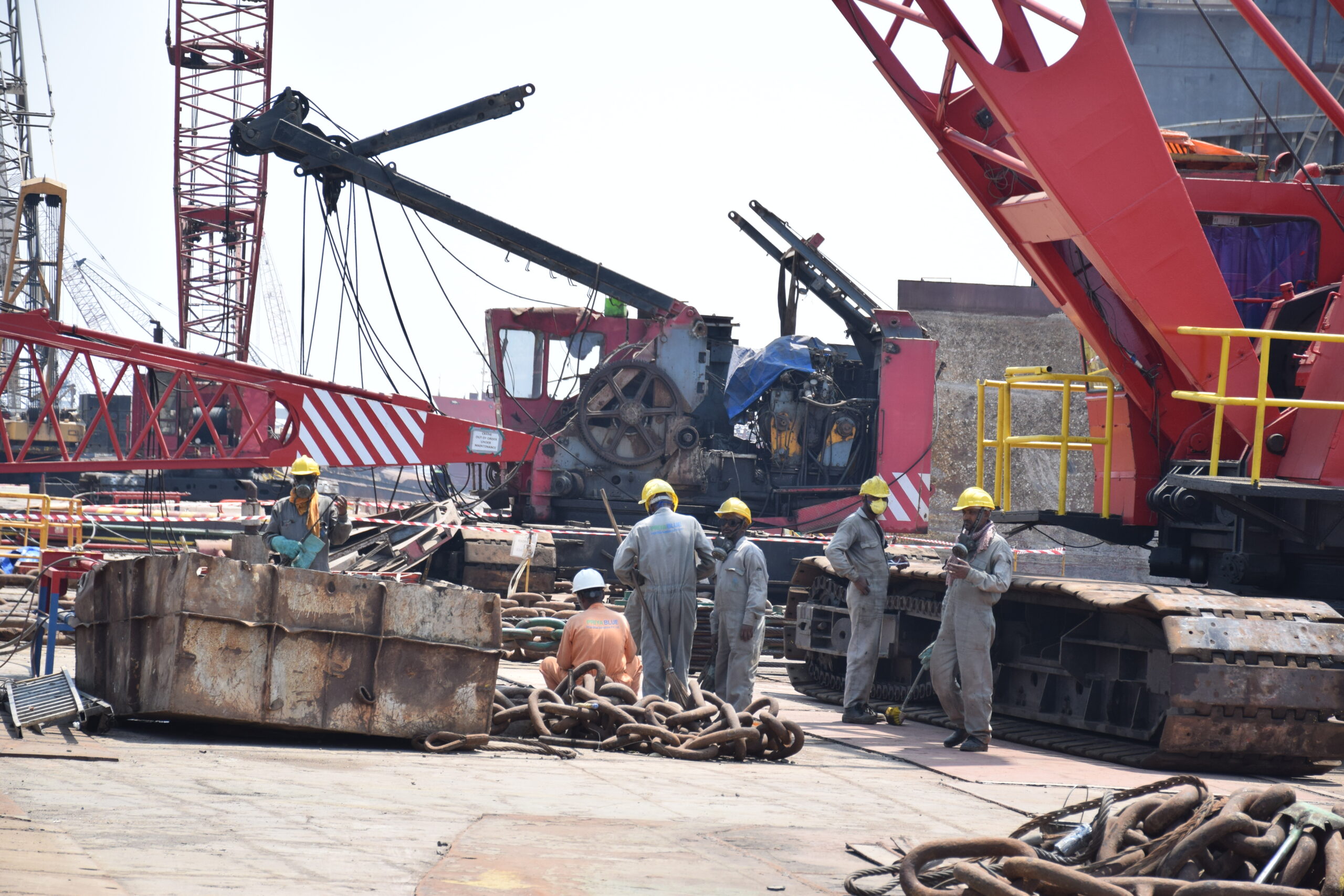
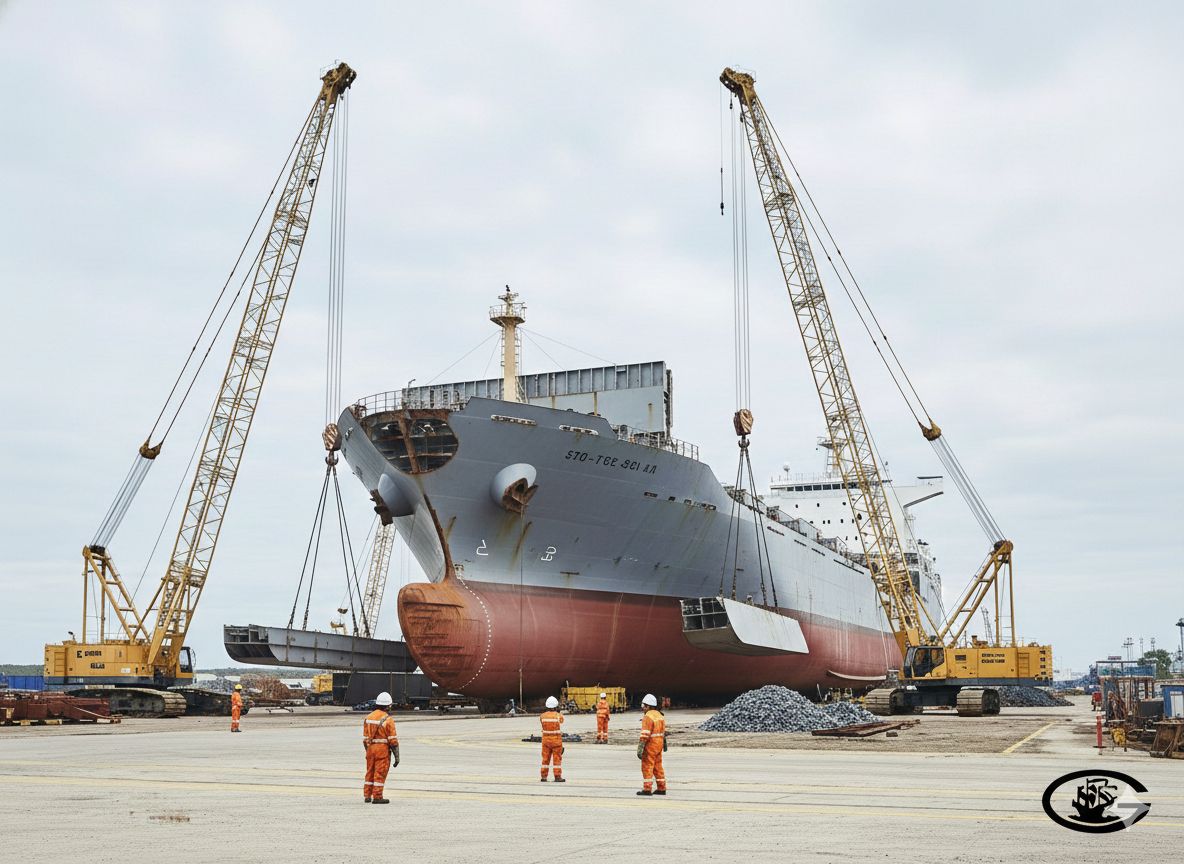
Shipbreaking, long regarded as one of the world’s most hazardous occupations, is facing a critical moment as the Hong Kong International Convention for the Safe and Environmentally Sound Recycling of Ships (HKC) enters its first year in force. Global union federation IndustriALL, which has spent more than a decade campaigning for stronger safeguards for workers and the environment, has raised concerns that despite formal ratifications, major ship recycling nations have yet to fully implement the Convention in practice.

IndustriALL stresses that the HKC is the most pragmatic and essential starting point for cleaning up the shipbreaking industry, which remains plagued by severe risks—ranging from toxic exposure and crushing injuries to frequent fatal accidents. The union federation, supported by affiliates worldwide, has engaged governments, shipowners, financial institutions and regulatory bodies for years, pushing for real change on the ground. Yet, as 2025 draws to a close, it warns that progress remains uneven and in some cases alarmingly slow.
The HKC officially came into force in June 2025, a milestone celebrated within the maritime sector as a major global achievement. For IndustriALL, however, this moment marked not triumph but a “great test and greatest opportunity” for meaningful reform. Its latest assessment reveals that while countries have met the requirements on paper to ratify the Convention, practical implementation varies sharply—potentially undermining the Convention’s credibility during its most crucial early phase.
India: Strong Standards but a Legal Gap
India, home to one of the world’s largest ship recycling hubs, remains in an unusual and challenging position. Although Indian yards have made significant strides in adopting safer work practices, improving environmental controls and strengthening social dialogue with labour unions, the country has yet to formally gazette its new ship recycling legislation. Without this legal instrument, India cannot issue the mandatory Document of Authorization for Ship Recycling (DASR), which certifies that recycling facilities comply with HKC standards.
This gap is already posing problems for shipowners seeking to send end-of-life vessels to compliant yards in India. The DASR is a crucial document for owners who must demonstrate due diligence in selecting HKC-aligned facilities. “Without the legislation in place, the country is not able to issue the all-important document,” IndustriALL noted, warning that delays could divert vessels to less prepared destinations.
Despite the regulatory limbo, Indian yards themselves are generally considered robust in their practices. Labour unions remain active, accident rates have declined significantly in both frequency and severity, and many facilities already meet HKC benchmarks. However, without formal authorization, India risks losing its competitive edge in the compliant recycling market just as global enforcement begins.
Bangladesh: Promising Steps but Persistent Risks
Bangladesh, another major ship recycling centre, presents what IndustriALL describes as a “mixed” picture. The government has established a ship recycling board to serve as the competent authority under the HKC and is already issuing DASRs. This has made Bangladesh appear compliant on paper, helping shipowners navigate the requirements of the Convention.
Furthermore, Bangladesh has made recent advances in labour rights, ratifying three key ILO Conventions, including Convention 155, which gives workers the right to refuse unsafe work and supports workplace health and safety committees. These developments could, in theory, strengthen worker protections across the sector.
Yet the day-to-day realities in many yards tell a different story. IndustriALL reports that numerous facilities are still not adhering to HKC standards in practice, leading to a troubling toll of accidents—30 this year alone—including four fatalities and many serious injuries. The union says the government lacks either the political will or institutional capacity to enforce compliance effectively.
“There is progress on paper, but the situation on the ground remains dangerous,” IndustriALL warns, stressing that real enforcement is essential if Bangladesh is to meet global expectations under the HKC.
Pakistan: Early Development, Limited Infrastructure
In Pakistan, where the Gadani shipbreaking yards have long been associated with poor working conditions and hazardous practices, progress remains slow but not entirely stagnant. The federal government earmarked US$42 million in its 2025 budget to modernize the sector. Yet as the year ends, little of that investment has translated into visible improvements.
The region still lacks the basic infrastructure needed to support HKC-compliant operations, from waste management systems to emergency response capacity. However, there have been some positive developments: the first three upgraded yards have obtained green certificates, signaling early compliance and potential for further advancement.
IndustriALL cautions that Pakistan remains “very much in development,” and that the road to full compliance will require sustained investment, stronger governance and deeper engagement with workers’ organizations.
A Crucial Moment for Global Accountability
Walton Pantland, IndustriALL’s director for shipbuilding and shipbreaking, issued a stark reminder of the stakes involved as the HKC undergoes its first real-world test.
“The bottom line is that the HKC has its enemies: people who always said that it is an inadequate instrument for cleaning up ship recycling,” he said. “It is the responsibility of everyone who championed the HKC to make it work. If it fails to protect workers’ lives and the environment, it is no use at all, and we are back to square one. It is in everyone’s interest to make it work.”
For an industry long marred by casualty lists and environmental violations, the coming months will determine whether the Convention becomes a meaningful safeguard—or another missed opportunity.

Author: shipping inbox
shipping and maritime related web portal