



Geopolitics: Gas Supply Disruption Weigh on Ship Recycling Markets: India Faces Slowdown: BEST OASIS
The global ship recycling market witnessed mixed trends during the week as geopolitical developments in the Middle East, currency fluctuations, and supply-side constraints influenced sentiment across major recycling destinations. According to the latest weekly market report issued by Dubai-based cash buyer Best Oasis, the industry experienced heightened uncertainty, with India likely to face a notable slowdown due to disruptions in natural gas supply required for cutting operations.

The report highlighted that the week was marked by elevated geopolitical activity in the Middle East, particularly surrounding developments involving Iran. Regional tensions continued to affect trading sentiment and shipping-related activities. Despite these challenges, the United Arab Emirates demonstrated strong leadership and resilience by implementing precautionary measures aimed at maintaining stability and ensuring uninterrupted safety for residents and businesses.
Industry observers noted that such geopolitical developments often influence global shipping markets, insurance costs, and vessel movement patterns, which indirectly affect the supply of ships available for recycling.
India Faces Potential Slowdown
The ship recycling sector in India is expected to experience a significant slowdown in the coming weeks after authorities advised a force majeure on natural gas supply used for cutting operations at recycling yards.
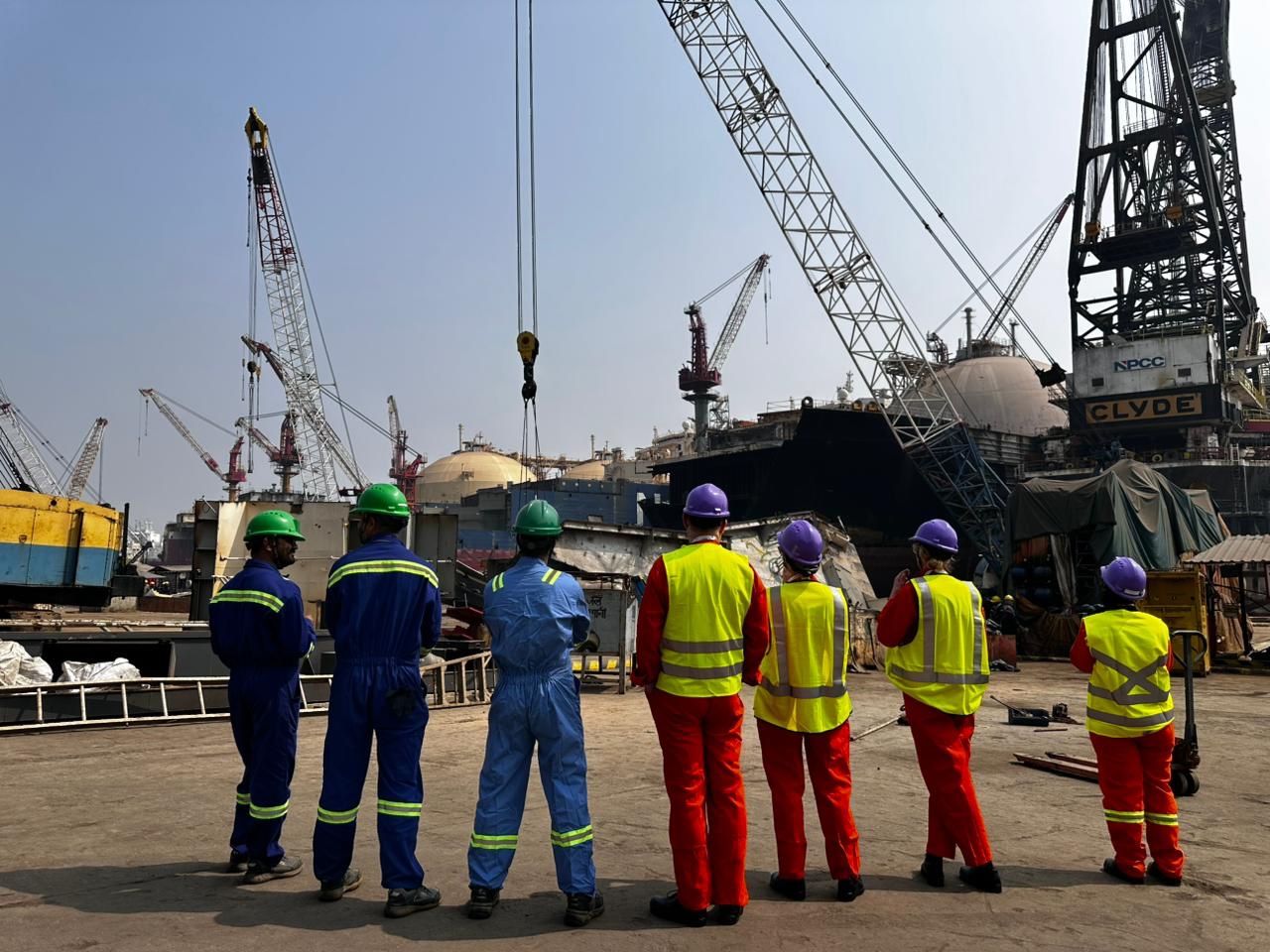
Natural gas is a critical component in the ship dismantling process, particularly for gas-cutting activities that allow workers to safely dismantle large steel structures. Without sufficient supply, yards may struggle to maintain normal operational capacity.
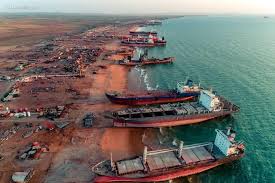
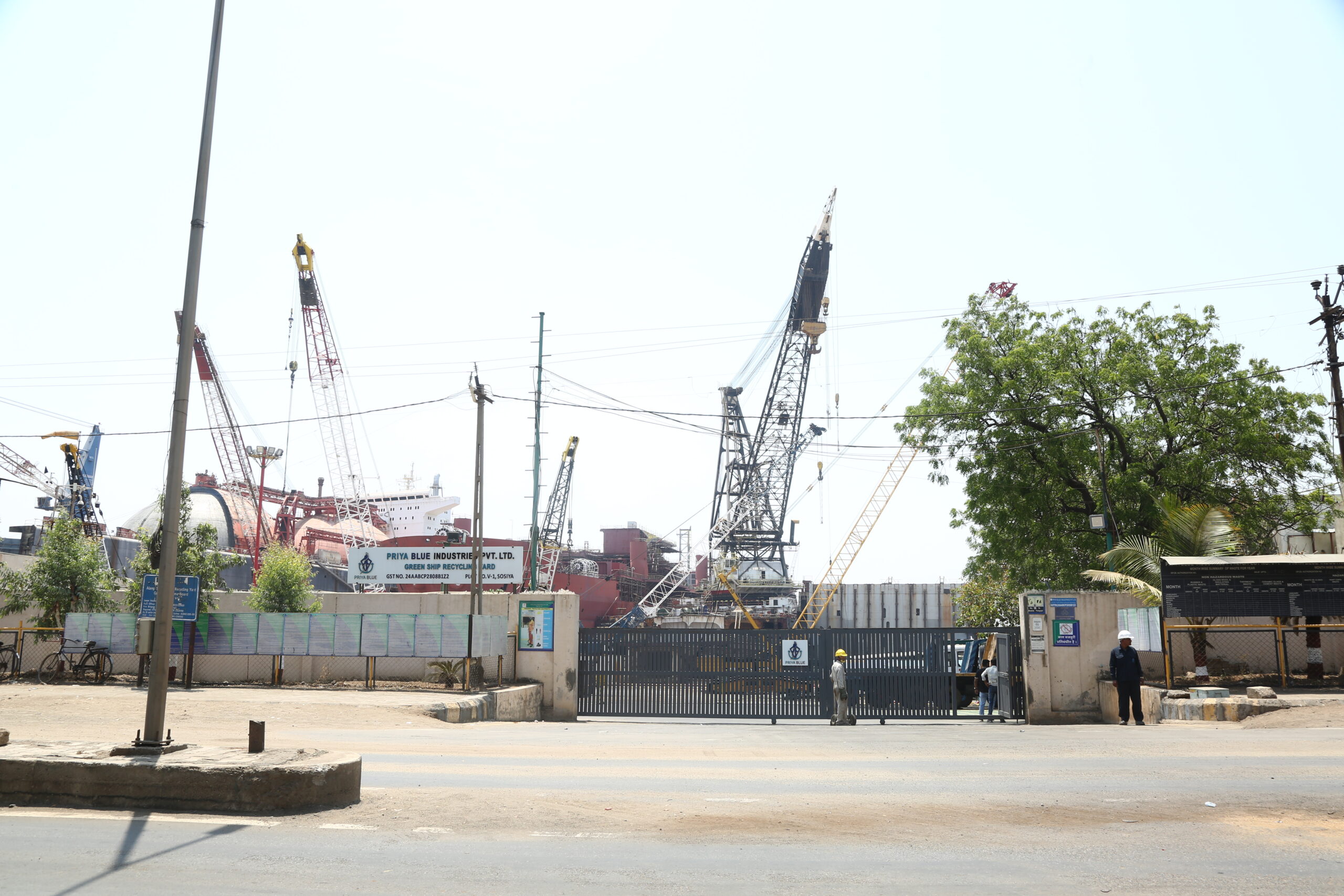
The development could have a direct impact on recycling activities at the world’s largest ship recycling cluster located in Alang. Many yards in the region rely heavily on consistent gas supply to maintain cutting operations and meet delivery timelines.
Market participants anticipate that limited cutting capacity may lead to a shortage of available recycling slots in India. In turn, this constraint could support a rise in offered prices for ships destined for recycling, as buyers compete for the reduced number of available processing positions.
At the same time, the sharp appreciation of the U.S. dollar has added further pressure on local buyers. Since ship recycling transactions are typically conducted in dollars while operational costs are incurred in local currency, fluctuations in exchange rates can significantly impact transaction economics for recyclers.
The dollar strengthened against the Indian rupee during the week, with the exchange rate rising to 91.67 compared to 90.96 in the previous week, reflecting additional financial pressure on Indian buyers.
Current indicative recycling prices in India remain soft, with container vessels at around USD 425 per light displacement tonne (LDT), tankers at USD 410/LDT, and bulk carriers at approximately USD 395/LDT.
Bangladesh Shows Signs of Recovery
In contrast, the market in Bangladesh showed signs of improvement during the week. Buyers demonstrated renewed interest in acquiring available tonnage, indicating gradually strengthening sentiment in the country’s recycling sector.
Industry participants attribute this renewed confidence partly to the arrival of a new government that is widely perceived as more business-friendly. The improved political and economic outlook is expected to provide a supportive foundation for the ship recycling industry, which plays a significant role in the country’s steel supply chain.
Recycling prices in Bangladesh remain among the highest in the region, with containers fetching around USD 445/LDT, tankers approximately USD 435/LDT, and bulk carriers about USD 400/LDT. The market recorded a weekly increase of around 2.4 percent, reflecting strengthening demand.
Pakistan Market Remains Quiet
Meanwhile, activity in Pakistan remained largely subdued during the week. Regional tensions linked to developments involving Iran weighed on sentiment and disrupted trading momentum.
As a result, the market was effectively at a standstill for most of the week, with very limited transactions reported. Nevertheless, some interest persisted for select vessels, with workable price levels understood to be around USD 410 per LDT.
Despite the muted activity, industry players believe the Pakistani market could revive once geopolitical uncertainties ease and vessel supply improves.
Turkish Market Stable but Facing Pressure
The ship recycling market in Turkey remained stable during the week, with domestic scrap prices holding steady.
However, analysts warn that the increasing number of vessels being offered for recycling could soon place downward pressure on prices if demand from local steel mills does not strengthen.
Current price levels in Turkey remain significantly lower compared to the South Asian markets, with containers trading near USD 290/LDT, tankers at USD 280/LDT, and bulk carriers around USD 270/LDT.
Scrap Prices and Sales Activity
Scrap steel prices across major markets recorded modest weekly gains. Prices for HMS 1&2 (80:20) scrap rose to around USD 372 per tonne in India, USD 376 per tonne in Bangladesh and Pakistan, while Turkey saw a slight decline.
Despite the challenging environment, a few ship recycling transactions were concluded during the week. Among them was the multipurpose vessel Ghada A, with a light displacement tonnage of 2,240 LDT, delivered to Alang, India. Another deal involved the container vessel Ngon Shuen, with 1,589 LDT, delivered to Chittagong, Bangladesh.
Market participants expect the coming weeks to remain influenced by geopolitical developments, currency fluctuations, and operational constraints across recycling destinations. Industry stakeholders will closely monitor gas supply conditions in India and policy developments in Bangladesh, both of which could shape the near-term direction of the global ship recycling market.

Author: shipping inbox
shipping and maritime related web portal