




EU–India Ship Recycling Cooperation Plan Triggers Debate Over Sustainability Standards

A recent declaration by the European Commission outlining plans to cooperate with India on ship recycling has sparked renewed debate over whether the country’s dismantling yards meet the environmental and safety standards expected by European regulators. The proposal, unveiled as part of a broader maritime policy framework, has triggered sharply divided reactions from industry stakeholders and environmental groups.
On March 4, the European Commission published its Industrial Maritime Strategy, a wide-ranging policy roadmap designed to strengthen Europe’s maritime industry while safeguarding economic security and trade interests. The strategy highlights cooperation with international partners that possess significant ship-recycling capacity, explicitly identifying India as a potential partner.
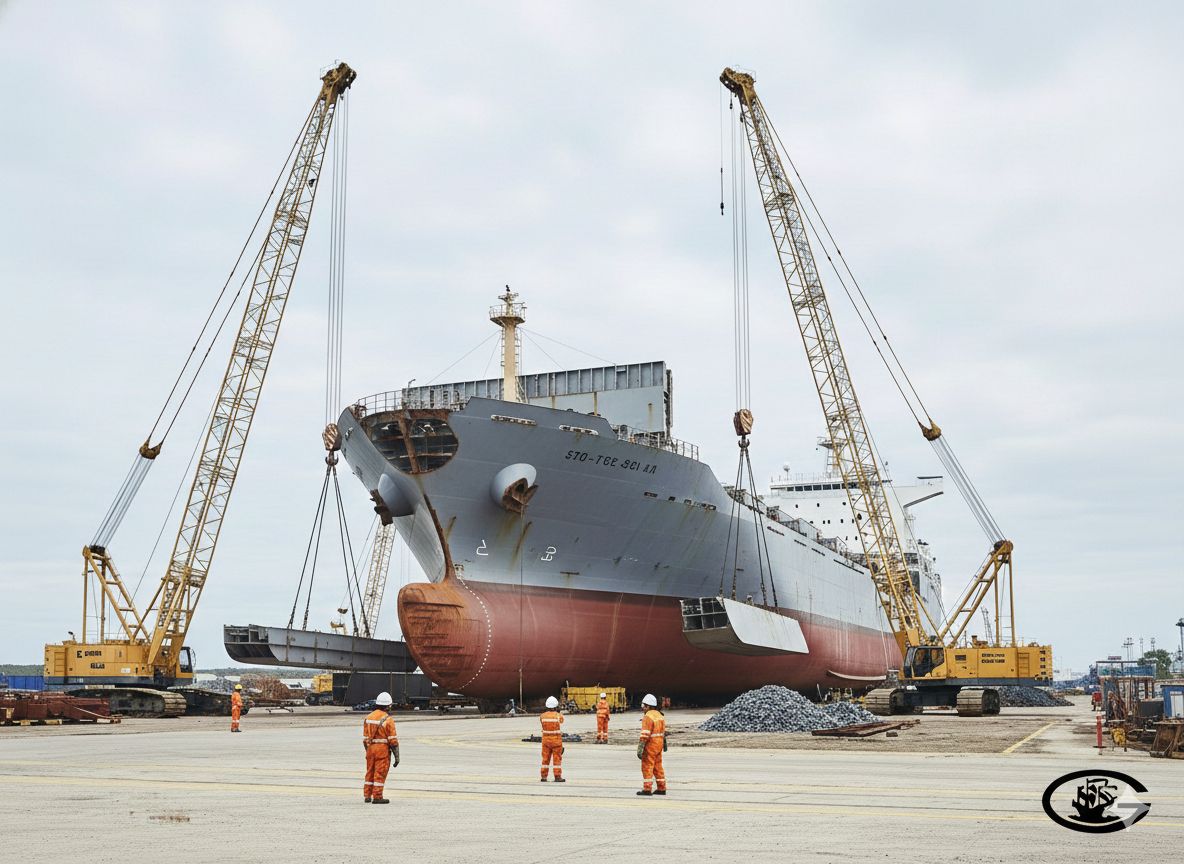
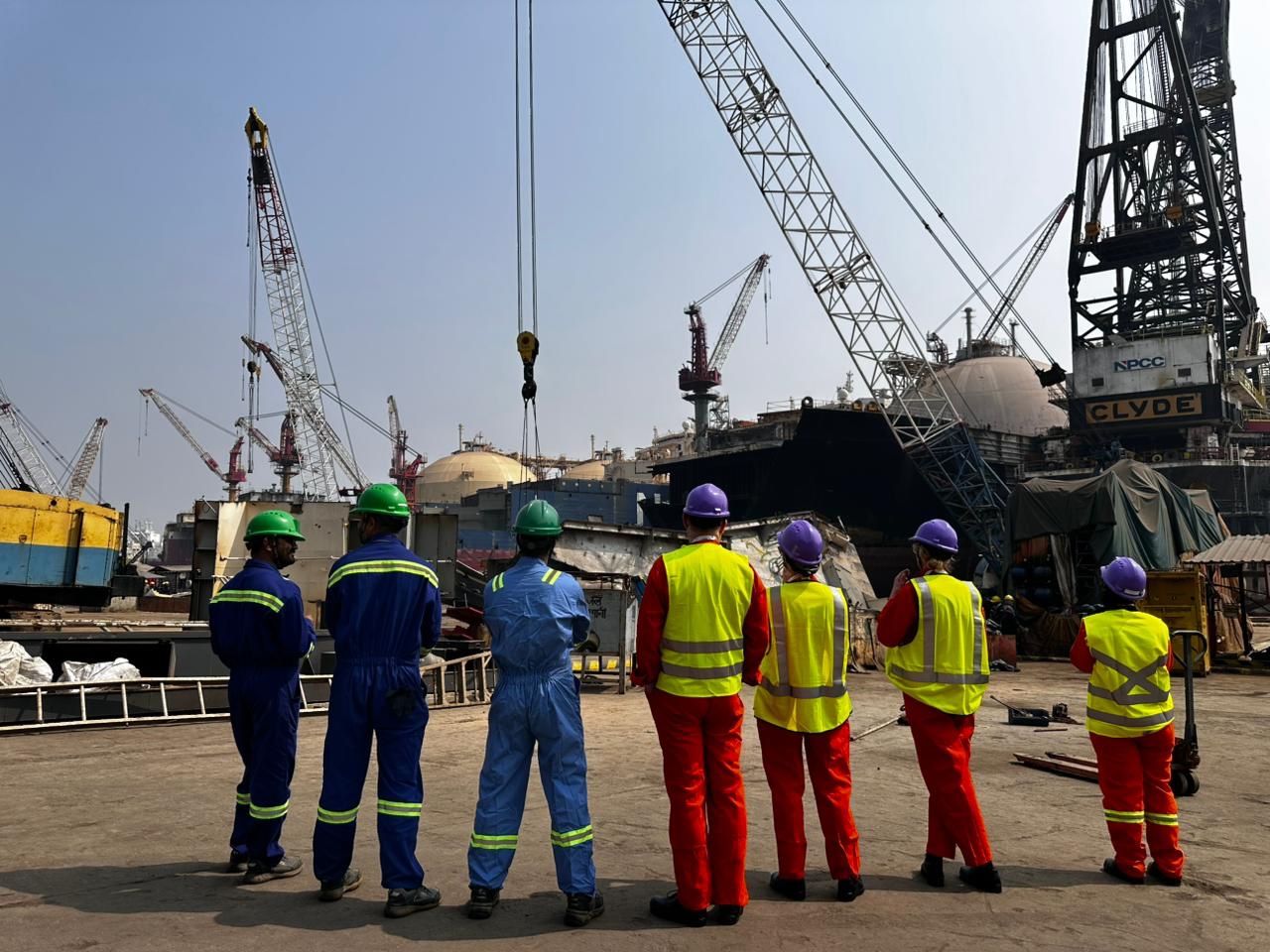
The announcement is significant because India is home to the world’s largest ship-recycling hub at Alang, where hundreds of end-of-life vessels are dismantled every year. However, the European Union currently does not recognize most Indian yards under its strict regulatory framework governing ship dismantling.
Under the EU Ship Recycling Regulation (EU SRR), European-flagged vessels can only be recycled at facilities included on an approved list maintained by the EU. To date, no beach-based yards in India have been granted approval under the regulation, despite the fact that many facilities have upgraded their practices to align with global environmental standards.
Industry stakeholders argue that the EU’s position is increasingly difficult to justify as Indian yards continue to modernize. GMS, widely recognized as the world’s largest cash buyer of ships for recycling, has been among the most vocal critics of the EU’s policy.
According to the Dubai-based firm, more than 110 Indian ship-recycling yards have already obtained Statements of Compliance with the Hong Kong International Convention for the Safe and Environmentally Sound Recycling of Ships (HKC). These certifications are issued by members of the International Association of Classification Societies (IACS), which verify that facilities meet internationally accepted safety and environmental requirements.
Despite these certifications, none of the compliant Indian yards are currently included in the EU’s official recycling list.
“Applying a blanket geographic exclusion regardless of actual yard compliance is not regulatory prudence. It is regulatory inertia,” said Kiran Thorat, a trader with GMS who commented on the issue following the EU’s announcement.
Thorat argued that Indian ship recyclers have invested heavily in modernizing their facilities over the past decade. According to industry estimates, yards have installed impermeable flooring, improved hazardous-waste management systems, and implemented enhanced worker-training programs to align with international standards.
“Thousands of workers have been retrained and infrastructure has been rebuilt,” Thorat noted. “Many of these yards now achieve one of the lowest lifecycle carbon footprints for ship recycling globally.”
Supporters of India’s recycling sector also point to the country’s preparations for the Hong Kong Convention, which is expected to come into force internationally in the coming years. Indian yards at Alang have undertaken major compliance upgrades in anticipation of the treaty becoming the primary global regulatory framework for ship dismantling.
The debate underscores a broader tension between economic realities and environmental priorities in the global ship-recycling industry. More than 90 percent of the world’s end-of-life vessels are dismantled in South Asia, particularly in India, Bangladesh, and Pakistan, where labor costs are lower and coastal geography supports large-scale beaching operations.
European policymakers now face the challenge of balancing environmental concerns with the practical need for sufficient global recycling capacity.
If the EU ultimately moves forward with closer cooperation with India, analysts believe it could pave the way for a major shift in international ship-recycling policy. Recognizing HKC-compliant Indian yards could significantly expand the pool of facilities available to European shipowners, potentially easing bottlenecks in the global recycling market.
At the same time, critics warn that any relaxation of EU standards could undermine years of progress toward safer and cleaner ship dismantling practices.
For now, the European Commission has not clarified whether its cooperation plans with India will involve revising the EU’s approved recycling list or introducing new regulatory pathways for HKC-compliant yards.
What remains clear is that the announcement has reignited a long-standing debate about the future of ship recycling — and whether global standards can bridge the divide between Europe’s strict regulatory approach and South Asia’s dominant recycling industry.

Author: shipping inbox
shipping and maritime related web portal